轻食餐饮

Search documents
从周杰伦代言到破产跑路:东莞轻食品牌“沙拉食刻”走向式微
Nan Fang Du Shi Bao· 2026-01-22 04:24
Core Viewpoint - The company "Salad Time" has faced significant backlash from consumers and franchisees due to operational failures, including the disappearance of vending machines and unfulfilled service commitments, leading to bankruptcy proceedings for its main operating entity [2][31]. Group 1: Company Operations and Financial Status - "Salad Time" has seen its smart vending machines largely out of service, with many locations reported as permanently closed or not restocked, leading to consumer complaints about unrefunded balances and lack of customer service [5][26]. - The company has applied for bankruptcy, with its main operating entity, Salad Time (Guangdong) Food Technology Co., Ltd., entering judicial proceedings, while its founder faces legal issues related to debt [31][32]. - Despite the bankruptcy of "Salad Time," its wholly-owned subsidiary, Shenzhen Chuyi Times Food Technology Co., Ltd., has opened multiple new stores, raising questions about asset concealment and potential legal ramifications [2][33]. Group 2: Business Model and Expansion - Founded in 2020, "Salad Time" aimed to disrupt the food service industry with AI vending machines offering a variety of meals at competitive prices, primarily targeting office environments [18][20]. - The company received significant investment, including a 100 million yuan A-round funding and a partnership with celebrity Jay Chou for brand promotion, which initially fueled rapid expansion [20][23]. - However, the aggressive expansion strategy led to operational inefficiencies, with franchisees reporting delayed revenue sharing and misjudged market demand, contributing to financial strain [24][26]. Group 3: Legal and Consumer Issues - Franchisees and employees have reported severe delays in salary payments and revenue sharing, with some employees claiming unpaid wages for up to nine months [27][29]. - Legal actions have been initiated by franchisees against the company for unfulfilled financial obligations, with ongoing court cases highlighting the extent of the financial distress [30][31]. - The company's failure to meet its commitments has resulted in widespread consumer dissatisfaction, with many expressing frustration over lost investments and unreturned funds [2][5].


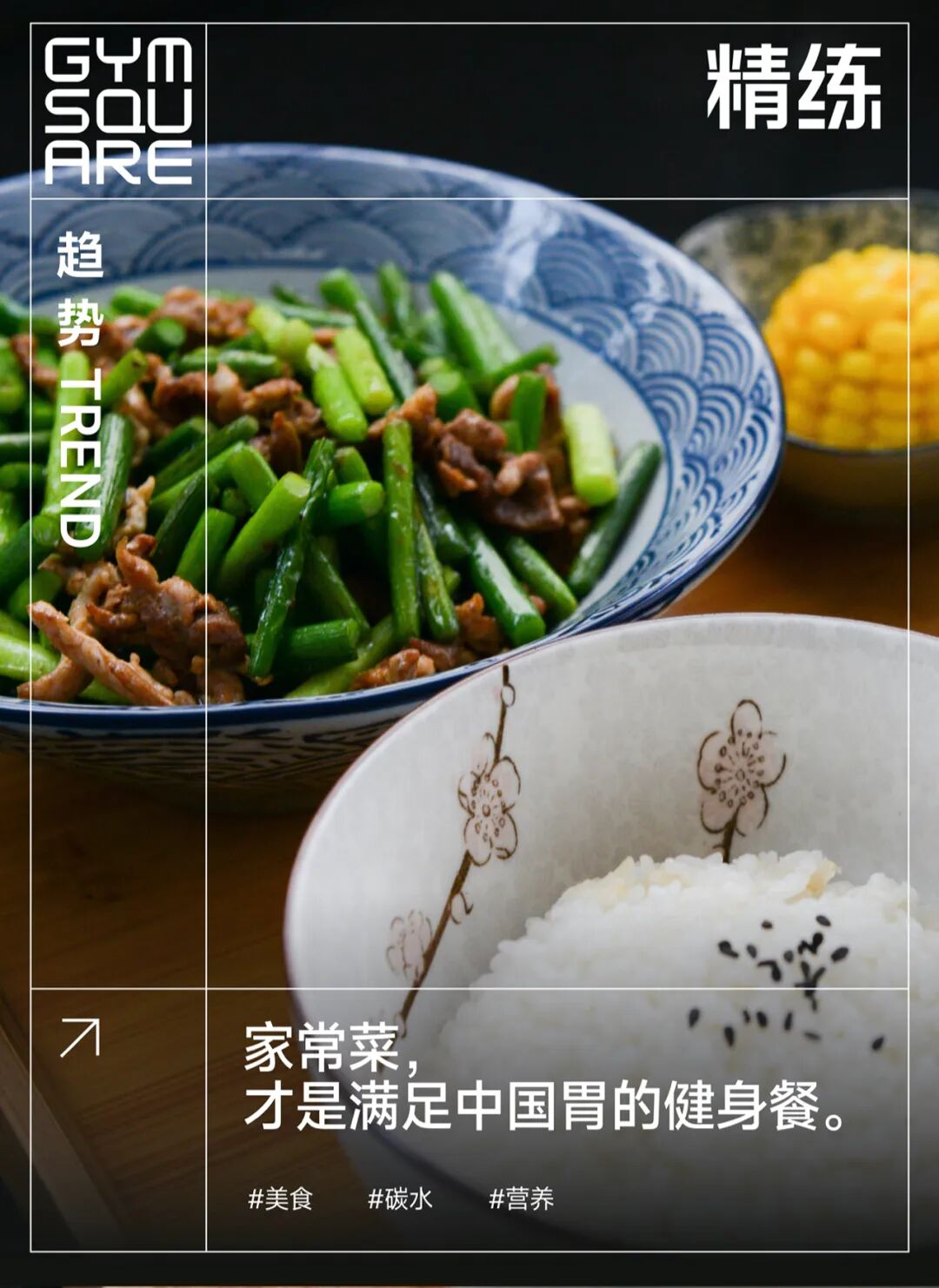
家常菜,才是满足中国胃的健康餐
3 6 Ke· 2025-12-07 02:30
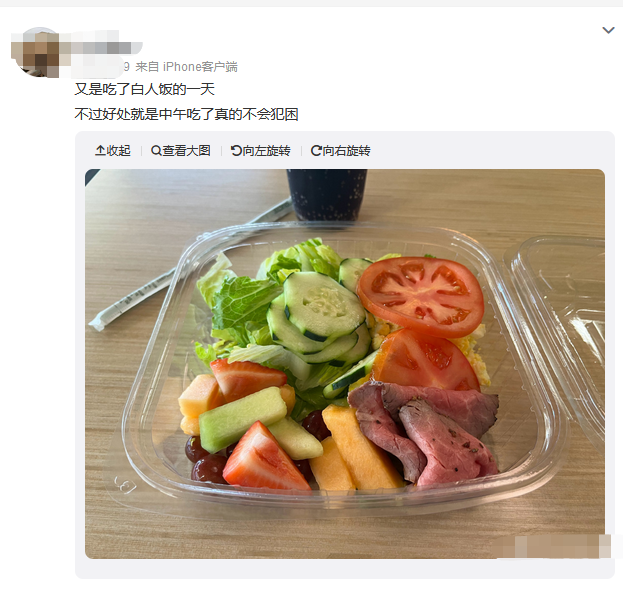
Core Viewpoint - The trend in China is shifting from Western-style salads to traditional Chinese home-cooked meals, which are increasingly favored by those focused on fat loss and muscle gain [1][15]. Group 1: Market Trends - Health and food influencers on platforms like Xiaohongshu and Douyin are promoting more Chinese dishes, such as coconut chicken and Chaozhou beef hotpot, as low-calorie healthy meals [2][15]. - Chinese light meal brands like Jian Tang Jiao Shou and Gu Dao Xiang have gained popularity, achieving sales comparable to Western salads on major delivery platforms [2][15]. Group 2: Cooking Methods and Ingredients - Chinese healthy meals utilize traditional cooking methods such as steaming, mixing, and braising, with a wider variety of ingredients compared to Western options [4][11]. - Common ingredients in Chinese light meals include vegetables and various meats, allowing for a rich and flavorful dining experience that supports healthy eating [4][11]. Group 3: Nutritional Balance - The key to health is not merely calorie restriction but achieving a balanced diet, emphasizing the right proportions of protein and carbohydrates [8][19]. - Consuming traditional Chinese dishes can provide a satisfying and nutritious alternative to Western-style meals, which often lack variety [8][19]. Group 4: Psychological Aspects - Adopting home-cooked meals can help maintain a balanced mindset towards eating, reducing the risk of binge eating associated with restrictive diets [6][23]. - Familiarity with traditional flavors and cooking methods can alleviate feelings of deprivation, making it easier to adhere to a healthy eating plan [23][24]. Group 5: Industry Insights - The rise of Chinese light meal options in the market indicates a growing recognition of their health benefits, with brands like Gu Dao Xiang and He Ma introducing competitive offerings [12][14]. - The increasing availability of calorie information for Chinese dishes is helping consumers make informed choices, enhancing the appeal of home-cooked meals as a healthy option [24][26].
老板被悬赏“追债”,沙拉巨头暴雷,曾融资上亿,获周杰伦代言……
3 6 Ke· 2025-11-06 02:15
Core Viewpoint - The salad brand "Salad Shike" is facing a comprehensive trust crisis, marked by unpaid wages, delayed refunds to franchisees, and a significant operational shutdown of its smart vending machines, which were once a key part of its business model [1][7][10]. Group 1: Company Background - Salad Shike, established in 2020, gained popularity with its self-service vending machine model for ready-made salads and Chinese dishes, achieving over 100 million yuan in financing and signing Jay Chou as a brand ambassador [2][4]. - The brand's product offerings include various salads and fast food items, maintaining an average price point of around 15 yuan, emphasizing high cost-performance [2]. Group 2: Operational Crisis - Since March 2023, Salad Shike has been embroiled in multiple debt disputes, facing claims from franchisees, employees, consumers, and suppliers, leading to a deteriorating operational status [7]. - Employees have reported significant delays in salary payments, with some waiting up to nine months, and many have taken legal action without substantial progress [8]. - Customers have expressed frustration over unrefunded balances on their prepaid cards, with many vending machines reported as out of service, indicating a complete operational halt [10]. Group 3: Franchisee Issues - Franchisees have been particularly hard hit, with reports of delayed refunds exceeding eight months and some taking legal action against the company [11]. - The company has also failed to meet its financial obligations to suppliers and landlords, raising concerns about its operational integrity and financial health [11]. Group 4: Bankruptcy and Legal Actions - Salad Shike's parent company is currently facing bankruptcy proceedings, indicating a severe financial crisis that has escalated to judicial intervention [15]. - The founder has been publicly listed for enforcement by the court due to related debt disputes, suggesting potential asset concealment or evasion [15]. Group 5: Business Model Viability - The self-service vending machine model, while innovative, has faced criticism for its lack of convenience compared to delivery services and in-store dining, limiting its appeal [16][17]. - The reliance on pre-packaged meals has led to consumer skepticism regarding freshness and quality, further complicating the brand's market position [20][22]. - The operational structure of the vending model struggles to balance costs, demand, and product variety, leading to high waste rates and low consumer engagement [24][26][27]. Group 6: Industry Implications - The downfall of Salad Shike serves as a cautionary tale for the food and beverage industry, highlighting the necessity for business models to create genuine consumer value and maintain operational balance [28].

饥饿感,中产们的新型自律
Hu Xiu· 2025-08-11 00:04
Core Viewpoint - The trend of "not eating too much" has become a daily routine for many middle-class white-collar workers, reflecting their pursuit of health and social status through selective eating habits [1][5][40]. Group 1: Eating Habits of Middle-Class Workers - Light meal brands like Wagas and gaga focus on the middle-class demographic, offering expensive salads that have become popular among white-collar workers [2][11]. - The concept of "appropriate hunger" is seen as a more advanced form of health maintenance, with studies indicating that maintaining a state of 70% fullness can stabilize blood sugar, lipids, and emotional levels [3][10]. - Many young professionals are using high-priced salads and multiple cups of coffee to control their appetite, which may not be a healthy approach despite aligning with their elite image [4][6]. Group 2: Social Implications of Eating Choices - The eating habits of the middle class reflect their desire for higher social status, as they often mimic the consumption patterns of the upper class, leading to "conspicuous consumption" [5][40]. - A significant portion of respondents (61.5%) view healthy food as a luxury, with higher-income areas having better access to fresh produce [16]. - The trend of "keeping hunger" is often misinterpreted, leading to extreme dietary practices like intermittent fasting or carb restriction, which may contradict the original health intentions [26][42]. Group 3: Health and Nutrition Awareness - Many young middle-class individuals lack proper nutritional knowledge, often misunderstanding the concept of "keeping hunger" as skipping meals or alternating between fasting and binge eating [6][42]. - Research indicates that moderate hunger can enhance cognitive function and reduce fatigue, as the brain tends to ignore sleep needs when hungry [23][24]. - The consumption of high-priced organic foods requires proper timing and pairing to truly reflect their nutritional value, rather than simply being a status symbol [41].
订单大涨!这一市场,火了→
新华网财经· 2025-06-23 09:41
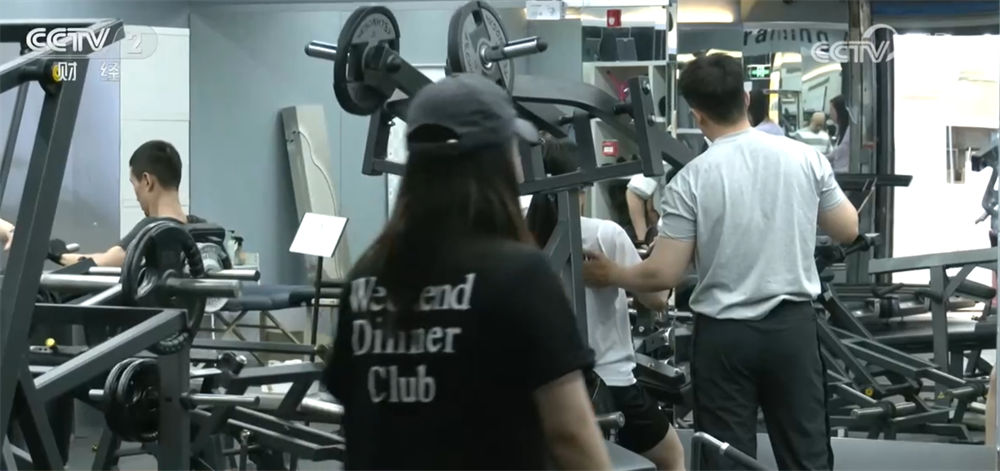
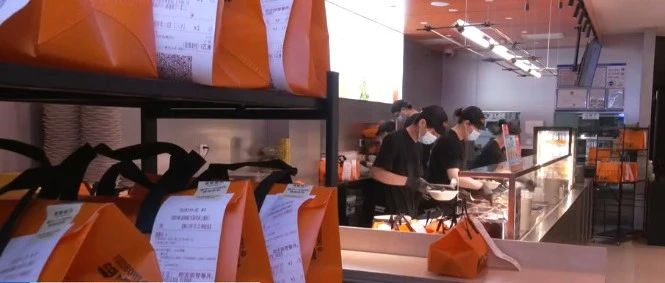
Group 1 - The "weight management year" initiative in China is driving the growth of the "slimming economy" due to national policy guidance and increased public health awareness [1] - There has been a noticeable increase in foot traffic at fitness venues such as 24-hour gyms and squash courts in Beijing [2][3] - Many gyms are extending their operating hours and offering 24-hour services, along with diverse group classes like Pilates, yoga, and fat-burning dance to meet varied fitness demands [5] Group 2 - Light food options are becoming a new consumer favorite, with a rapid expansion of chain stores [8] - Low-fat, high-fiber light meals are increasingly chosen by consumers for weight management [9] - A light food chain in Beijing reports around 200 takeaway orders and 100 dine-in orders daily, with meal prices ranging from 30 to 40 yuan [11] - The search volume for "light food restaurants" in Beijing has increased by 145% since June, and group orders for healthy, low-fat meal sets have surged by 356% [12]
“体重管理”带火“瘦身经济” 健康消费升温引领市场新风尚
Yang Shi Wang· 2025-06-22 03:32
Group 1: Fitness Industry Trends - The "weight management year" initiative in China is driving the growth of the "slimming economy," with increased foot traffic in fitness venues like 24-hour gyms and squash courts in Beijing [1] - There has been a significant rise in the search volume for fitness-related services, with "fitness monthly cards" up by 31.6% and "24-hour self-service gym cards" up by 96.9% compared to last year [1] - The demand for fun and engaging sports is increasing, as evidenced by a 96.4% rise in searches for "indoor trampoline parks" and a 188% increase for "squash courts" since June [1] Group 2: Home Fitness Equipment - In Yiwu, lightweight, portable, and smart fitness products are experiencing sales growth, with a notable increase in the popularity of abdominal wheels, which have seen sales rise by 40%-50% compared to last year [4][5] - The sales volume for the new abdominal wheel model has reached 30,000 to 50,000 units per month, indicating strong market demand [4] - Multi-functional home fitness equipment, such as a space-saving, customizable three-in-one barbell set, is also gaining traction among consumers [5] Group 3: Healthy Eating Trends - Light meals, characterized by low fat and high fiber, are becoming increasingly popular among consumers, with one individual ordering light meal takeout 3-5 times a week [6] - The search volume for "light meal restaurants" in Beijing has surged by 145% since June, and group orders for healthy meal packages have increased by 356% [12] - A light meal chain plans to open 10 new locations nationwide, reflecting confidence in future growth potential [12]