全球南方国家团结

Search documents
应对全球动荡,“热爱和平的国家必须团结起来”
Xin Lang Cai Jing· 2026-01-18 01:57
Group 1 - The former Thai parliament speaker and deputy prime minister, Pochin Ponglajun, emphasizes the need for peace-loving countries, especially those in the Global South, to unite against the rising trend of power-oriented international order, which he views as a dangerous signal that could lead to global turmoil and conflict [1] - Pochin advocates for mutual respect for sovereignty and adherence to international law among Global South countries, suggesting that this unity can prevent powerful nations from easily imposing their will [1] - He highlights China's approach to maintaining restraint in disputes, such as in the South China Sea, as a demonstration of great power demeanor that has garnered recognition from multiple nations [1] Group 2 - Pochin notes that the friendly relations between Thailand and China have remained unchanged over more than 50 years of diplomatic ties, underpinned by cultural similarities, mutual respect, and adherence to international law [2] - As the president of the Thailand-China Friendship Association, Pochin expresses a desire to accelerate people-to-people exchanges in education, technology, and tourism between the two countries, indicating significant potential for expanding cooperation beyond current concentrated areas [2] - He mentions the appeal of Harbin's winter culture to Thai people and suggests seasonal exchanges where Thai friends can experience winter in Harbin while Chinese friends can enjoy Thailand's warm climate, benefiting both sides [2]
专访|应对全球动荡,“热爱和平的国家必须团结起来”——访泰国前国会主席颇钦·蓬拉军
Xin Hua She· 2026-01-18 01:29
Group 1 - The core viewpoint emphasizes that peace-loving countries, especially those in the Global South, must unite to address global turmoil and challenges posed by power-oriented international dynamics [1] - The former Thai parliament chairman highlights the dangers of a shifting international order that resembles past colonialism, warning that it could lead to global unrest and conflict [1] - He advocates for mutual respect and adherence to international law among Global South nations to counteract the influence of powerful countries acting unilaterally [1] Group 2 - The longstanding friendship between Thailand and China, based on cultural ties and mutual respect, has remained unchanged over more than 50 years of diplomatic relations [2] - The chairman of the Thai-Chinese Friendship Association expresses a desire to enhance cooperation in education, technology, and tourism, noting that there is significant potential for expanding collaboration beyond current regions [2] - He suggests seasonal exchanges, where Thai citizens can experience winter in Harbin and Chinese friends can enjoy Thailand's warm climate, as a way to benefit both nations [2]
零关税助力非洲好物拓展中国市场(环球热点)
Ren Min Ri Bao· 2026-01-16 23:16
Core Viewpoint - The core viewpoint of the articles is that China's implementation of a zero-tariff policy for products from least developed countries (LDCs) that have diplomatic relations with China is a significant step in enhancing trade relations with Africa, promoting economic development, and providing a competitive edge for African products in the Chinese market [1][2][3]. Group 1: Zero-Tariff Policy Implementation - Starting from December 1, 2024, China will apply a zero-tariff rate on 100% of product categories for all LDCs that have diplomatic relations with China, including 33 African countries [2][4]. - This policy is seen as a major initiative by China to expand its unilateral openness and fulfill international obligations, marking it as the first developing country to implement such a comprehensive zero-tariff policy [2][4]. Group 2: Economic Impact on Africa - The zero-tariff policy is expected to enhance the competitiveness and export scale of African products in the Chinese market, thereby injecting new vitality into China-Africa economic cooperation [3][5]. - It will also optimize the trade structure between China and Africa, stimulate the development of related industrial chains in Africa, and promote new business models such as cross-border e-commerce [3][5]. Group 3: Long-term Benefits - In the long run, the zero-tariff policy will solidify China's position as Africa's largest trading partner and facilitate the industrialization and modernization of African economies, fostering deeper integration and mutual benefits in China-Africa economic relations [3][6]. - The policy is anticipated to create a multiplier effect on African livelihoods, contributing positively to employment, poverty reduction, and overall economic stability [7][11]. Group 4: Global Trade Context - The zero-tariff initiative is positioned as a response to global trade tensions and protectionism, particularly in light of high tariffs imposed by the U.S., providing African nations with a buffer against external economic shocks [6][7]. - It reflects China's commitment to being a reliable partner for African development and sets a precedent for fair global trade practices [6][10]. Group 5: Future Cooperation Opportunities - The policy is expected to open new growth points in various sectors, including agriculture, green economy, digital economy, and artificial intelligence, enhancing cooperation between China and Africa [11][12][13]. - As China embarks on its "14th Five-Year Plan," the zero-tariff policy will likely facilitate further economic collaboration and innovation, benefiting both Chinese consumers and African producers [11][12].
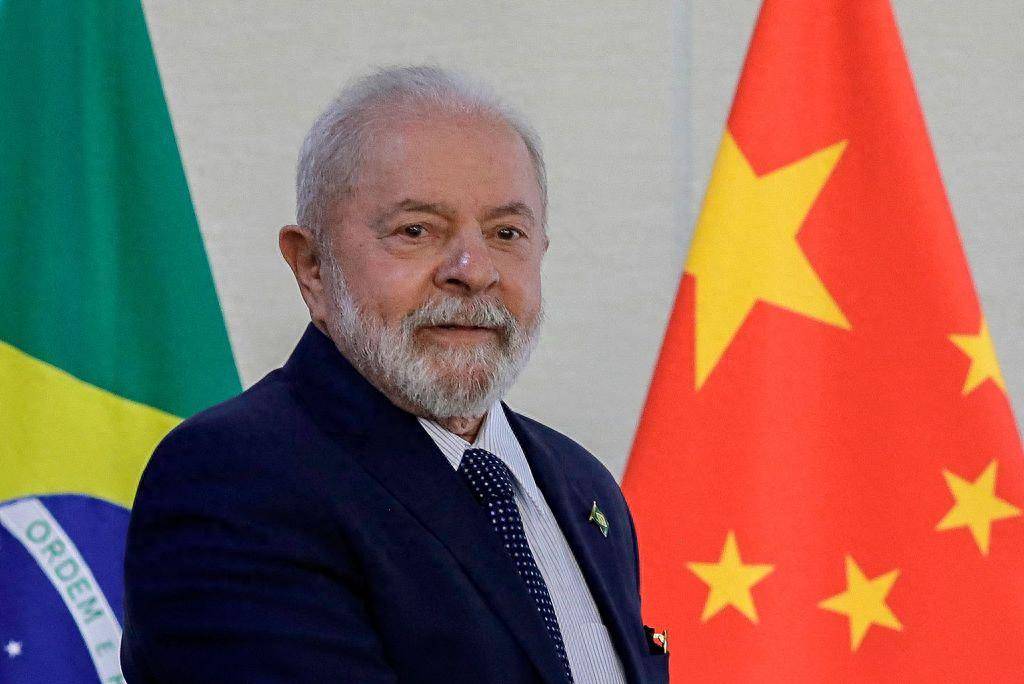
关税硬扛30天后,巴西等来中方一通电话,卢拉有了斗争到底的决心
Sou Hu Cai Jing· 2025-08-12 03:55
Group 1 - Brazil's President Lula has gained determination to resist U.S. tariff threats after receiving a supportive call from China [1][3][4] - Chinese Foreign Minister Wang Yi expressed three firm supports for Brazil, emphasizing the defense of national sovereignty and the importance of cooperation among developing countries [4][6] - The situation illustrates that even countries closely tied to the U.S., like Brazil, are willing to stand against U.S. hegemony, countering Trump's strategy to divide and conquer BRICS nations [6][10] Group 2 - Trump's initial strategy involved targeting BRICS countries individually, starting with China, but faced resistance leading to a shift towards negotiations [8][10] - The ongoing pressure from the U.S. has inadvertently strengthened the unity among global South countries, as they collectively resist hegemonic practices [10][11] - The U.S. actions are damaging its international credibility and increasing distrust in the dollar, undermining its own claims of maintaining dollar dominance [10][11]