贸易公平

Search documents
Titan International(TWI) - 2025 Q4 - Earnings Call Transcript
2026-02-26 15:02
Financial Data and Key Metrics Changes - The company reported a 7% year-over-year increase in sales for Q4 2025, with adjusted EBITDA growing 17% to $11 million [19][20] - Gross margins expanded modestly to 10.9% [19] - The company ended the year with net debt of $383 million and a leverage ratio of 3.8 times [26] Business Line Data and Key Metrics Changes - The EMC segment was the best performer, with revenues up 21% to $141 million, driven by strong demand in construction and mining [20][21] - The Ag segment saw a 2.6% increase in revenues, aided by foreign exchange tailwinds [21] - The consumer segment's revenues decreased by 1.5%, although the specialty business remained stable [23] Market Data and Key Metrics Changes - The European construction market showed strong growth, contributing positively to the EMC segment [20] - In the U.S., demand variability was noted in the Ag segment, particularly affecting larger equipment [21] - Brazil's Ag business experienced a moderation in activity due to high input costs and political uncertainty [22] Company Strategy and Development Direction - The company aims to continue innovating and expanding its product line to maximize opportunities in the market [15] - There is a focus on maintaining a diverse geographical footprint and strategic partnerships to navigate tariff uncertainties [18] - The company is optimistic about moving past the cyclical trough in its markets, with guidance indicating revenue growth for 2026 [28] Management's Comments on Operating Environment and Future Outlook - Management expressed guarded optimism for 2026, anticipating stabilization in equipment inventories and improved demand from farmers [10][28] - The company noted that government support for farmers is expected to continue, which could positively impact demand [11] - Management acknowledged the challenges posed by tariffs but remains confident in the long-term benefits of well-implemented tariffs [27] Other Important Information - The company recorded valuation allowances against certain deferred tax assets totaling $40 million due to recent cumulative losses [26] - Capital expenditures for 2025 were just below $55 million, down from $66 million in 2024 [25] Q&A Session Summary Question: Guidance for 2026 by segment - Management expects EMC to continue outperforming, Ag to be flattish, and consumer to show improvements but at a lesser rate [32] Question: Ag segment performance in 2026 - Management anticipates a better second half for the Ag segment, with growth expected later in the year [34] Question: Situation in South America and joint venture - The joint venture in Brazil is expected to strengthen market position, although political turmoil is a concern [38] Question: Consumer gross margin outlook - Management expects some improvement in consumer gross margins, driven by new business initiatives [45] Question: Specific end markets for EMC segment - Europe is expected to perform well in the EMC segment, driven by infrastructure spending [48] Question: R&D priorities for 2026 - The company is focusing on product innovations to capture additional aftermarket share [49] Question: Impact of tariffs on input costs - Tariff implementation has created discrepancies in raw material costs, complicating pricing strategies [110]

“中非多领域合作取得里程碑式的巨大成就”
Ren Min Ri Bao Hai Wai Ban· 2026-01-19 08:39
Group 1 - The core theme of the "China-Africa Year of Cultural Exchange" is to strengthen the partnership between China and Africa, with nearly 600 cultural exchange activities planned for the year 2026 [2][3][4] - China has implemented a 100% zero-tariff policy on products from African countries, which alleviates trade instability and enhances China's image as a reliable partner for African development [2] - The initiative aims to promote cooperation in various fields, including education, cultural tourism, sports, technology, green development, and youth engagement [2][4] Group 2 - The "China-Africa Year of Cultural Exchange" is viewed as a long-term strategy to unlock tourism growth potential and promote economic development between China and Africa [3] - Strengthened tourism cooperation is expected to significantly increase visitor exchanges, making Africa an increasingly important destination for Chinese tourists [3] - The initiative is anticipated to enhance cultural interactions, allowing Chinese tourists to experience Africa's natural beauty and cultural heritage [3] Group 3 - Significant measures are being taken to promote human exchanges, including the establishment of a large academic network and an increase in scholarship programs under the China-Africa Cooperation Forum [4] - The Luban Workshop project has shown notable results, providing high-quality vocational training in key areas for African industrialization [4] - Various cooperation platforms, such as the "China-Africa Think Tank Forum" and "China-Africa Youth Gala," are facilitating exchanges among intellectuals and youth leaders [4]

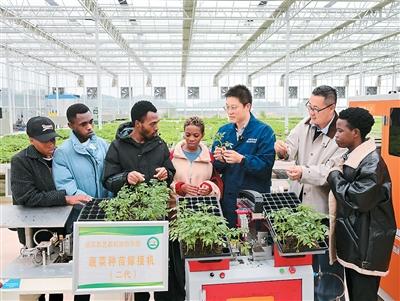
零关税助力非洲好物拓展中国市场(环球热点)
Ren Min Ri Bao· 2026-01-16 23:16
Core Viewpoint - The core viewpoint of the articles is that China's implementation of a zero-tariff policy for products from least developed countries (LDCs) that have diplomatic relations with China is a significant step in enhancing trade relations with Africa, promoting economic development, and providing a competitive edge for African products in the Chinese market [1][2][3]. Group 1: Zero-Tariff Policy Implementation - Starting from December 1, 2024, China will apply a zero-tariff rate on 100% of product categories for all LDCs that have diplomatic relations with China, including 33 African countries [2][4]. - This policy is seen as a major initiative by China to expand its unilateral openness and fulfill international obligations, marking it as the first developing country to implement such a comprehensive zero-tariff policy [2][4]. Group 2: Economic Impact on Africa - The zero-tariff policy is expected to enhance the competitiveness and export scale of African products in the Chinese market, thereby injecting new vitality into China-Africa economic cooperation [3][5]. - It will also optimize the trade structure between China and Africa, stimulate the development of related industrial chains in Africa, and promote new business models such as cross-border e-commerce [3][5]. Group 3: Long-term Benefits - In the long run, the zero-tariff policy will solidify China's position as Africa's largest trading partner and facilitate the industrialization and modernization of African economies, fostering deeper integration and mutual benefits in China-Africa economic relations [3][6]. - The policy is anticipated to create a multiplier effect on African livelihoods, contributing positively to employment, poverty reduction, and overall economic stability [7][11]. Group 4: Global Trade Context - The zero-tariff initiative is positioned as a response to global trade tensions and protectionism, particularly in light of high tariffs imposed by the U.S., providing African nations with a buffer against external economic shocks [6][7]. - It reflects China's commitment to being a reliable partner for African development and sets a precedent for fair global trade practices [6][10]. Group 5: Future Cooperation Opportunities - The policy is expected to open new growth points in various sectors, including agriculture, green economy, digital economy, and artificial intelligence, enhancing cooperation between China and Africa [11][12][13]. - As China embarks on its "14th Five-Year Plan," the zero-tariff policy will likely facilitate further economic collaboration and innovation, benefiting both Chinese consumers and African producers [11][12].
中方准时开始收费,24小时已过!卢拉提醒欧盟:再不签协议就晚了
Sou Hu Cai Jing· 2025-12-29 11:10
Core Viewpoint - The article discusses the impact of China's imposition of a deposit on EU dairy products, which aims to correct unfair competition caused by EU subsidies, leading to a potential shift in trade dynamics between China and the EU [1][3][5]. Group 1: China's Response to EU Subsidies - China has implemented a "guarantee deposit" on EU dairy products to counteract unfair pricing practices that have distorted market competition [7][17]. - The investigation by China's Ministry of Commerce revealed that EU subsidies have created an unlevel playing field, threatening the viability of local dairy producers [5][19]. - The deposit system is designed to protect China's domestic dairy industry from being undermined by artificially low-priced imports [10][21]. Group 2: EU's Trade Strategy and Consequences - The EU has been accused of maintaining a double standard in its trade policies, protecting its agricultural sector while aggressively pushing subsidized products into foreign markets [23][30]. - The EU's reluctance to finalize trade agreements with South America, particularly with Brazil, reflects its fear of losing market share to lower-priced imports [25][30]. - The article highlights the EU's struggle to balance domestic agricultural interests with its ambitions in global trade, leading to a potential loss of credibility and market access [32][39]. Group 3: Future Trade Dynamics - The article suggests that the current situation may lead to a more equitable trading environment, where competition is based on true costs rather than subsidized pricing [44]. - As South American countries, like Brazil, consider shifting their trade focus towards Asia, the EU risks losing its influence in emerging markets [37][42]. - The evolving landscape indicates a potential end to the era where Western-defined trade rules dominated, paving the way for a more balanced global trade system [44].
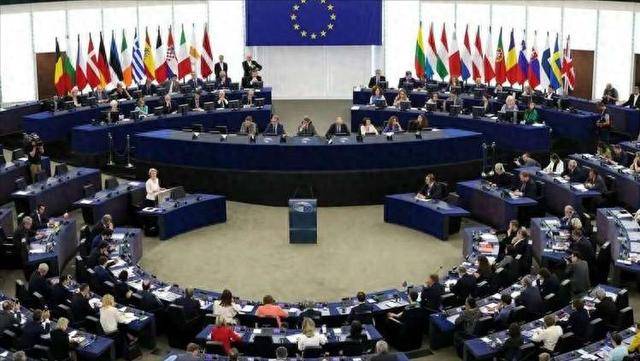
中方:再次敦促,立即纠正错误做法
中国能源报· 2025-12-19 10:22
Core Viewpoint - China has filed a complaint with the World Trade Organization (WTO) against India's tariff measures on information and communication products and its subsidies for solar photovoltaic products, claiming these actions violate multiple WTO obligations and provide unfair competitive advantages to Indian industries, harming Chinese interests [1]. Group 1 - On December 19, China requested consultations with India at the WTO regarding the tariff measures and subsidies [1]. - The measures taken by India are alleged to violate WTO commitments related to bound tariff rates and national treatment, and constitute prohibited import substitution subsidies [1]. - This action follows China's previous complaint against India's subsidies for electric vehicles and batteries, demonstrating a commitment to protect domestic industry rights [1].
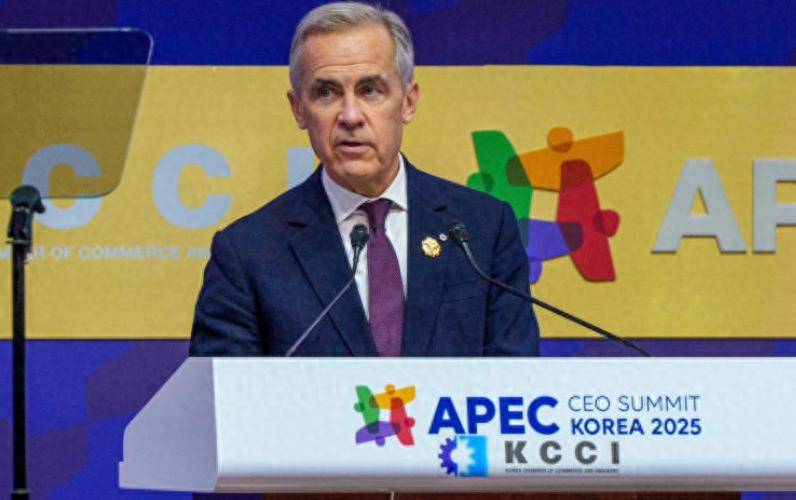
加拿大豆农的天塌了!印度也来火上浇油,罕见和中方做出同一决定
Sou Hu Cai Jing· 2025-11-10 03:12
Group 1 - China and India have both imposed significant tariffs on Canadian peas, with China implementing a 100% tariff and India a 30% tariff, which together account for 80% of Canada's pea exports [3][5][9] - The Canadian agricultural sector is facing a crisis, with 59,000 tons of peas stuck at the Vancouver port and farmers expressing urgent concerns over the financial impact of these tariffs [3][9][11] - The Canadian government, led by Prime Minister Carney, is struggling to respond effectively to these trade challenges, particularly with India, which has alternative suppliers for peas [11][13] Group 2 - The tariffs imposed by China are a response to Canada's previous tariffs on Chinese electric vehicles and other products, indicating a retaliatory trade relationship [5][16] - India's decision to reintroduce a 30% tariff on yellow peas is aimed at protecting its domestic farmers, highlighting the importance of agriculture in India's economy [7][9] - Canada's reliance on pea exports, particularly from Saskatchewan, has left it vulnerable, as domestic processing capabilities are limited, with only 12 processing facilities that can handle less than 10% of export volumes [9][11] Group 3 - The geopolitical dynamics are complex, with Canada attempting to balance relations with both the U.S. and China, but facing backlash from both sides due to perceived diplomatic missteps [14][16] - The situation underscores the risks of short-sighted trade policies, as Canada’s attempts to align with U.S. interests have resulted in increased tariffs and strained relations with key trading partners [16][18] - The ongoing crisis in the pea industry serves as a cautionary tale for other countries regarding the consequences of trade discrimination and the importance of adhering to fair trade practices [18]
印度硬刚美国,苏杰生怼美:25%关税不怕,34%俄油进口绝不减!
Sou Hu Cai Jing· 2025-10-10 12:00
Core Viewpoint - The relationship between the US and India has deteriorated significantly since the Trump administration imposed a secondary tariff on India, aiming to penalize India for purchasing Russian oil, while India resists US hegemony [1][3]. US Punitive Measures - In August, the Trump administration announced a 25% secondary tariff on India due to its purchase of Russian oil, which India strongly opposed, claiming it was an unreasonable act lacking fairness [3][5]. - The US views India's purchase of Russian oil as aiding Russia and providing military support, especially as Trump seeks to take credit for facilitating a ceasefire in the Russia-Ukraine conflict [3][5]. India's Response - Indian Foreign Minister S. Jaishankar stated that India is not afraid of the additional tariffs and will not abandon its plans to import Russian oil [1][8]. - Jaishankar emphasized that India's interests, particularly those of farmers and small producers, are non-negotiable, and as long as the US does not cross this line, negotiations can continue [8][10]. - He also pointed out that European countries engage in more trade with Russia than India, suggesting that the US is unfairly targeting India [8][10]. India's Strategic Intent - India views the US as its primary partner, despite considering China a competitor, and aims to balance its relationships with major powers without becoming a subordinate to the US [12][14]. - The strategy involves leveraging relationships with multiple powers, including Russia, to safeguard its interests [12][14]. - Jaishankar's remarks about potential cooperation with China serve as a reminder to the US of India's strategic importance in the Indo-Pacific region [10][14]. US Intentions - The US is frustrated with India's balancing act and seeks to pressure India into aligning more closely with its interests, which aligns with the US Indo-Pacific strategy [16][18]. - The US applies double standards, being less aggressive towards European allies who also import Russian energy, while targeting India more harshly [16][18]. Conclusion - India's actions serve as a wake-up call for many developing countries to prioritize their interests in the face of US pressure and to stand up against hegemony [20]. - The US may face significant consequences for its tariff policies, which could backfire and lead to a stronger resistance from India [20].

美国对华开出5大条件,中方全部拒绝!白宫宣布重大消息,特朗普来不了中国阅兵了?
Sou Hu Cai Jing· 2025-08-14 20:35
Group 1 - Poland's President is invited to visit the U.S. on September 3, reducing the likelihood of Trump attending the military parade in China [1] - The U.S. demands high tariffs of 10% to 30% on Chinese goods while offering zero tariffs on American products, indicating an attempt to exploit China's market [3] - The U.S. requests China to remove all trade barriers while maintaining its own, posing a significant threat to China's industrial development [4] Group 2 - The U.S. demands China to purchase a large volume of American goods despite the lack of necessity due to the availability of alternatives, highlighting the unreasonable nature of this request [5] - The U.S. seeks substantial investments from China, which appears to be an attempt to fill its economic gaps rather than a mutually beneficial arrangement [6] - The U.S. pressures China to halt trade with Russia, infringing on China's sovereignty and energy security [7] Group 3 - China refuses to accept unequal tariffs and double standards in trade to uphold international trade fairness [9] - China emphasizes the importance of safeguarding its industrial security against potential shocks from removing trade barriers [10] - China asserts its autonomy in purchasing and investment decisions, ensuring that expenditures are justified and valuable [11] Group 4 - The scheduling conflict with Poland's visit is a direct reason for Trump's absence from the parade [13] - Trump's absence may be a strategic move to pressure China into concessions during trade negotiations [14] - Domestic political considerations may influence Trump's decision to skip the parade, aligning with certain factions within the U.S. [16] Group 5 - China maintains an open attitude towards equal cooperation with the U.S., emphasizing mutual respect and fairness [17] - China's military parade serves to showcase its development and commitment to global peace, independent of other nations' participation [18] - The U.S. is urged to recognize the current situation and abandon its hegemonic mindset to foster normal development in U.S.-China relations [19]
6月30日上期所沪银期货仓单较上一日增加4093千克
Jin Tou Wang· 2025-06-30 07:59
Group 1 - The total silver futures in Shanghai Futures Exchange reached 1,299,756 kilograms, with an increase of 4,093 kilograms compared to the previous day [1] - The main silver futures opened at 8,716 yuan per kilogram, peaked at 8,765 yuan, and dropped to a low of 8,662 yuan, closing at 8,762 yuan, reflecting a daily decline of 0.54% [1] Group 2 - President Donald Trump expressed concerns regarding his "massive and beautiful" spending bill and the unfair auto trade with Japan [2] - Trump indicated uncertainty about passing the spending bill by the target date of July 4, stating that a delay could lead to perceptions of failure [2] - Trump emphasized the need for a person who can lower interest rates to enter the Federal Reserve, especially in light of the upcoming $9 trillion U.S. debt [2] - Trump criticized Japan for not purchasing American cars while the U.S. imports millions of Japanese vehicles, suggesting Japan should import more U.S. oil and other products [2]
专访|美单边关税不停止 难有真正的贸易公平——访波黑经济学家伊戈尔
Xin Hua She· 2025-06-09 05:25
Core Viewpoint - The article highlights the escalation of U.S. protectionism through the increase of tariffs on imported steel and aluminum products from 25% to 50%, which poses significant risks to global trade stability [1] Impact on Bosnia and Herzegovina - The U.S. tariffs have a direct and severe impact on Bosnia and Herzegovina's defense industry, which constitutes over 60% of its exports to the U.S. The tariffs on this sector have risen from 12% to 35% [1] - Other sectors, including metals, are also affected by the increased tariffs, indicating a broader economic impact beyond just defense [1] Regional Trade Dynamics - Bosnia and Herzegovina, while not an EU member, has strong economic ties with the EU, particularly in the automotive manufacturing sector. The long-term effects of U.S. tariffs on Bosnian enterprises are significant and cannot be overlooked [1] Response to Tariff Challenges - The economist suggests that Western Balkan countries should collaborate and enhance communication to effectively respond to external shocks caused by U.S. tariffs [1] - The EU's response to U.S. tariffs is viewed as insufficient, lacking internal consensus, which hampers its ability to counteract U.S. economic pressure effectively [1] Long-term Economic Consequences - The article argues that unless the U.S. halts its aggressive tariff policies, true trade fairness will remain elusive. The U.S. approach is seen as treating trade partners as subordinates rather than equal collaborators, undermining international trust and cooperation [1] - The long-term outlook suggests that the U.S. economy may bear the greatest losses from its own protectionist measures [1] Call for a Fair Trade System - There is a call for major economies to work towards establishing a fairer and clearer global trade system, which would allow smaller economies like Bosnia and Herzegovina to thrive in a more balanced international trade environment [1]