全球能源秩序重构

Search documents
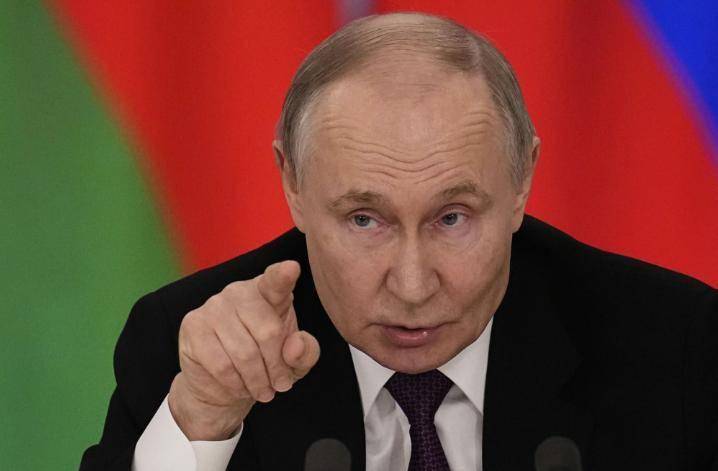
特朗普通告全球禁买俄油,点名三个国家不准碰,中方率先表态坚决反对
Sou Hu Cai Jing· 2026-01-11 01:17
Core Viewpoint - The Trump administration's new energy policy, which imposes a 500% punitive tariff on countries importing Russian oil, gas, or uranium, aims to reshape global energy trade and exert economic pressure on nations like China, India, and Brazil [1][10][11]. Group 1: U.S. Policy and Its Implications - The U.S. aims to use tariffs to force countries to align with its geopolitical interests, particularly targeting those circumventing the dollar system [9][10]. - The legislation is seen as an attempt to reconstruct global energy flows through unilateral sanctions, potentially freezing assets of countries maintaining energy trade with Russia [10][11]. - The U.S. strategy includes not only weakening Russia but also deterring emerging powers like China and India from deviating from U.S. influence [11][23]. Group 2: China's Response - China has firmly rejected the U.S. tariffs, emphasizing its right to engage in energy cooperation with Russia as a sovereign nation [2][12]. - The rapid and strong response from China reflects its strategic interests and energy security, as it is the world's largest energy importer [15][19]. - China's energy transactions with Russia are increasingly conducted in local currencies, bypassing the SWIFT system, which diminishes the impact of U.S. sanctions [17][19]. Group 3: India's Dilemma - India faces a complex situation, balancing its need for affordable Russian oil against U.S. pressure to reduce imports [20][21]. - Despite U.S. threats, India has not fully committed to halting Russian oil purchases, indicating a cautious approach to U.S. demands [20][21]. - The U.S. has pressured India to increase energy imports from the U.S., but the high costs and logistical challenges make this a temporary solution [21][22]. Group 4: Global Energy Dynamics - The U.S. is attempting to regain control over global energy pricing and supply chains, but countries are increasingly prioritizing their own interests [38][39]. - The unilateral sanctions by the U.S. are facing resistance, as many countries continue to engage in trade with Russia despite the political rhetoric [28][29]. - The evolving energy landscape is characterized by a shift towards multipolarity, with countries like China and Russia strengthening their economic ties [46][58]. Group 5: Future Outlook - The ongoing geopolitical tensions are likely to lead to more negotiations and alternative trading arrangements, as countries seek to protect their energy security [48][50]. - The trend towards de-dollarization and the establishment of local currency transactions is expected to accelerate, challenging the U.S. dollar's dominance [54][56]. - The global energy order is shifting towards a more collaborative and multipolar framework, where no single nation can dictate terms [58].

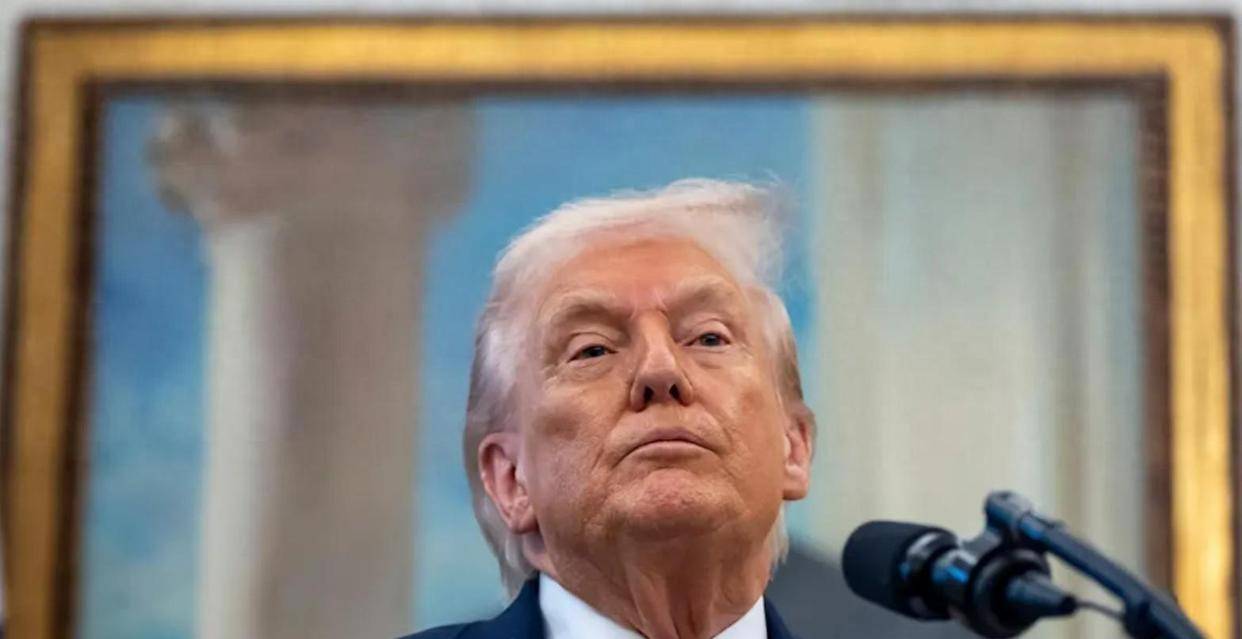
印度不买俄油了,油轮堵在中国门口,低价甩卖真赔钱?
Sou Hu Cai Jing· 2025-12-25 03:28
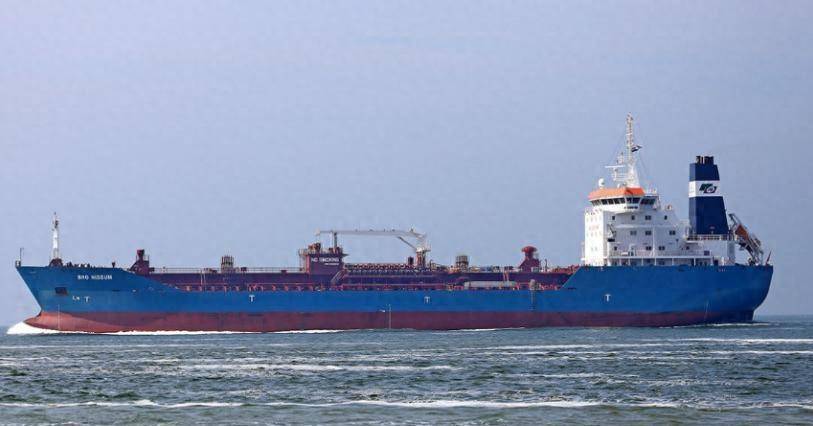
Core Insights - The U.S. has imposed severe sanctions on Russian oil giants Rosneft and Lukoil, warning that any country continuing trade with them will face secondary sanctions [1] - India, heavily reliant on the U.S. market, has swiftly cut ties with Russian oil, leading to a significant reduction in its imports [1][16] - China emerges as the primary alternative for Russian oil, with a substantial increase in imports and a shift in the energy trade dynamics [3][19] Group 1: Sanctions and Trade Dynamics - The U.S. sanctions are described as a "nuclear-level" economic blockade, directly targeting Russian oil exports [1] - India has a trade deficit of $46 billion with the U.S. and cannot afford to be blacklisted, leading to a rapid withdrawal from contracts with Russian oil companies [1][16] - The sanctions have caused a dramatic drop in Russian oil exports, with India halving its procurement and reducing imports by three-quarters [1] Group 2: Shift to China - China has become the only viable option for Russian oil, with over 15 tankers carrying more than 27 million barrels of ESPO crude oil heading to Chinese waters [4][8] - The ESPO crude oil is favored by Chinese refineries due to its low sulfur content and logistical advantages, allowing for efficient processing [6][7] - The shift in trade has led to a significant increase in the volume of oil transported through the China-Russia pipeline, which surged by 35% during this period [14] Group 3: Pricing and Economic Impact - Russian oil is being sold at prices below production costs, leading to unprecedented financial pressure on Russia, which relies on energy exports for nearly 30% of its budget [12] - The financial strain is exacerbated by high costs associated with maintaining oil production in harsh conditions, necessitating continued output despite losses [12][34] - The transition to using the yuan for oil trade has effectively bypassed U.S. financial systems, diminishing the impact of sanctions [15][27] Group 4: Geopolitical Implications - The sanctions have inadvertently strengthened the energy cooperation between Russia and China, transforming their relationship from complementary to symbiotic [19][31] - India's pivot to more expensive Middle Eastern oil has resulted in an estimated additional expenditure of $9 billion, highlighting the costs of geopolitical maneuvering [16][25] - The evolving energy landscape indicates a shift from a U.S.-dominated system to a multi-polar energy market, with China gaining significant leverage [31][38]
美国禁止他国买俄能源,普京引用中国谚语揭露美国双标,引爆国际舆论
Sou Hu Cai Jing· 2025-10-03 10:16
Group 1 - The core argument of the article highlights the geopolitical implications of Putin's use of a Chinese proverb to critique U.S. energy sanctions, revealing the contradictions in U.S. policy and its impact on global energy dynamics [1][3] - The article discusses the "double standards" in U.S. energy sanctions, noting that in 2023, the U.S. imported approximately $260 million worth of nuclear fuel from Russia, which supports over 20% of its nuclear power generation, while demanding allies to cut ties with Russian energy [3][5] - The article emphasizes the growing discontent among European nations regarding U.S. energy policies, as exemplified by German politician Matthias Hoppe's criticism of the U.S. purchasing Russian uranium while European companies face energy shortages [5] Group 2 - The article outlines how U.S. sanctions are accelerating the restructuring of global energy trade routes, with Russian energy exports to India increasing by 21 times and natural gas supplies to China rising by 60% in 2023, thereby reshaping the global energy power structure [5][7] - It notes that the U.S. has benefited from its own sanctions, with a 150% increase in LNG exports to Europe in 2023, at prices three times higher than Russian pipeline gas, highlighting the financial gains for U.S. energy companies amid the sanctions [5][7] - The article points out the dilemma faced by developing countries like India and Pakistan, which prioritize energy security over geopolitical considerations, leading to the emergence of alternative energy cooperation frameworks among BRICS nations and accelerating the de-dollarization process [7][9]