全球金融格局变革

Search documents
对美又有新动作!中国抛弃118亿美债创17年新低,美元霸权遭挑战
Sou Hu Cai Jing· 2025-12-20 13:52
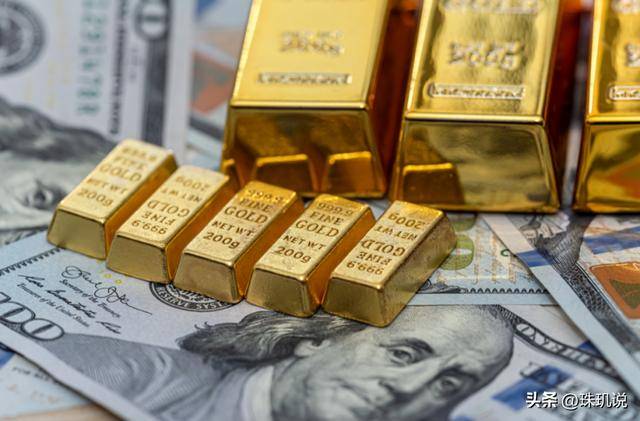
Core Viewpoint - China's reduction of $11.8 billion in U.S. Treasury bonds in October has brought its holdings down to $688.7 billion, the lowest level since November 2008, indicating a long-term trend of decreasing reliance on U.S. debt [2][4][42] Group 1: Long-term Trends - China's U.S. Treasury holdings peaked at $1.32 trillion in January 2013 and have since been nearly halved, reflecting a sustained downtrend over several years [5][7] - The cumulative reduction exceeds $600 billion, highlighting a significant long-term shift rather than a short-term market reaction [9][11] Group 2: Motivations Behind the Reduction - The primary reason for the reduction is growing concerns over the sustainability of U.S. debt, as the U.S. has frequently raised its debt ceiling and engaged in practices that raise doubts about fiscal discipline [15][17] - China's strategy of reducing its U.S. Treasury holdings is a rational risk-avoidance measure in response to increasing risks associated with U.S. debt [20][22] Group 3: Shift in Global Attitudes - The reduction has led to a noticeable divergence in how major economies view U.S. debt, with Japan and the UK increasing their holdings while China and Canada reduce theirs [31][35] - This shift indicates a changing consensus on the safety of U.S. assets, challenging the long-standing dominance of the dollar [42][45] Group 4: Asset Diversification - Concurrently, China has been increasing its gold reserves, which now stand at 74.12 million ounces, as a safer alternative to U.S. Treasury bonds [22][24] - The strategy of "selling U.S. debt and accumulating gold" reflects a broader trend of moving towards more stable and secure assets [28][40] Group 5: Implications for Global Financial Landscape - China's actions may serve as a reference model for other countries, potentially leading to a broader reevaluation of dollar-denominated assets globally [40][42] - As more countries recognize the risks associated with U.S. assets and diversify their reserves, the foundational support for dollar hegemony may weaken, paving the way for a more balanced global financial system [45]

金价9个月暴涨54%!4200 美元天价背后,是美元霸权松动的变局?
Sou Hu Cai Jing· 2025-10-18 19:25
Core Insights - The gold market is experiencing unprecedented volatility, with prices soaring from $2,730 to $4,200 per ounce in just nine months, indicating significant shifts in global economic dynamics [1][9][11] - Central banks are increasingly favoring gold over U.S. Treasury bonds, marking a pivotal change in the global financial landscape [7][11][18] Group 1: Gold Price Surge - The international gold price reached a historic high of $4,200 per ounce, with jewelry gold priced at 1,235 yuan per gram, reflecting a massive increase in demand [1][9] - Over the past 12 months, the total market value of gold has surged by over $10 trillion, a nearly 60% increase, highlighting the scale of this market shift [9][11] Group 2: Central Bank Behavior - In 2024, major economies began selling U.S. Treasury bonds and buying gold, driven by concerns over the safety of U.S. debt amid rising national debt levels [7][11] - For the first time in 25 years, global central bank gold reserves surpassed U.S. Treasury holdings, signaling a loss of confidence in the dollar as the dominant global currency [7][11] Group 3: Investment Implications - The current gold price increase is primarily driven by central banks rather than retail investors, indicating a fundamental shift in investment strategies [11][18] - The trend suggests a diversification of currency reliance, with potential for multiple currencies to coexist in the future, challenging the previous dominance of the dollar [11][15]