全球铁矿石供应格局重塑

Search documents
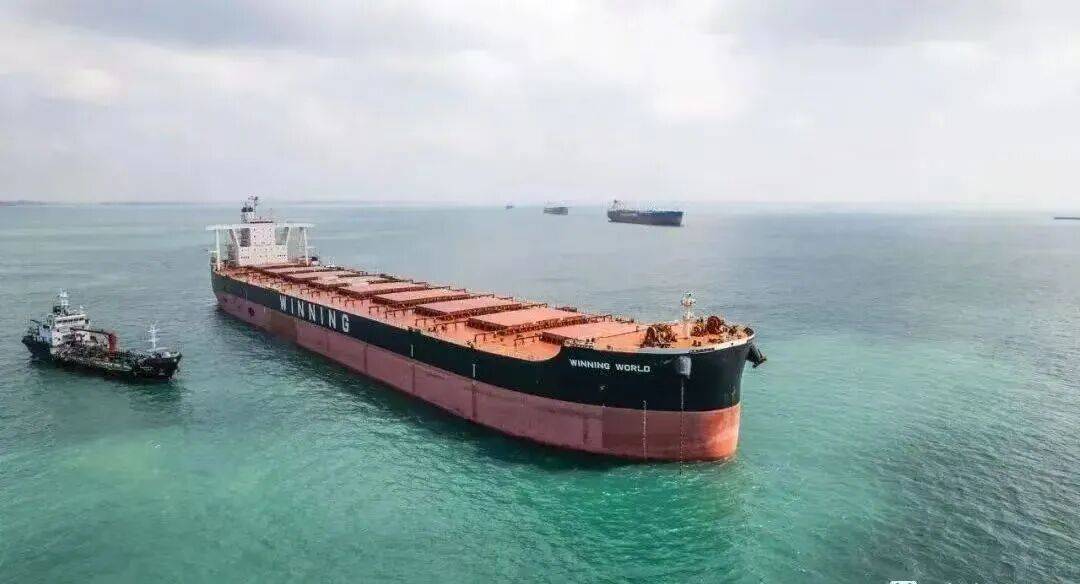
西芒杜投产!未来5年需要116艘新Cape
Sou Hu Cai Jing· 2025-12-01 04:02
Core Insights - The Simandou iron ore project in Guinea officially commenced production in November, marking a significant change in the global maritime iron ore supply chain [2] - Analysts predict that the full production of Simandou may require 116 new Capesize vessels, indicating a structural shift in the Capesize market [2][9] Group 1: Market Dynamics - The global iron ore supply landscape is undergoing significant changes, with new supplies from West Africa, particularly Simandou, expected to reshape market dynamics in the coming years [7] - Simandou has an estimated 2.4 billion tons of controllable and inferred resources, with a total resource of nearly 5 billion tons and a high iron content of 66-67%, making it one of the highest quality open-pit iron ore deposits globally [7] - By 2030, Simandou is projected to reach an annual production capacity of 120 million tons, primarily for export to China, potentially accounting for 6.7% of global maritime iron ore trade by 2030 [7] Group 2: Shipping Implications - The shipping route from Guinea to China is approximately 11,187 nautical miles, taking about 81 days at a speed of 10 knots, comparable to the traditional Brazil route [8] - The introduction of Guinea's iron ore supply is not expected to squeeze the existing Brazil-China shipping capacity, as it will create a new "second Brazil route" without displacing current demand [8] - The demand for new Capesize vessels is projected to increase significantly, with estimates suggesting that 22-23 new vessels will be needed for the initial 20 million tons of iron ore exports from Guinea [9][11] Group 3: Supply and Demand Outlook - The current global Capesize fleet is insufficient to meet the anticipated demand, with only about 58 new Capesize vessels expected to be delivered by 2026, representing just 3.3% of the current fleet size [16] - The demand for Capesize vessels is expected to grow at a rate exceeding 5% annually, while new ship deliveries will not keep pace, leading to a tight market for the next several years [18] - Major mining companies like Vale, Rio Tinto, BHP, and FMG are also expanding their capacities, indicating that iron ore exports from Brazil and Australia will continue to grow steadily [17]

重塑全球铁矿石供应格局
Qi Huo Ri Bao Wang· 2025-11-13 01:15
Project Overview and Latest Developments - The Simandou iron ore project in southeastern Guinea is one of the largest undeveloped mines globally, with iron ore reserves of 2.4 billion tons and a total resource estimate nearing 5 billion tons, featuring high-grade ore with a content of 66%-67% [2] - The project includes a vertically integrated mining operation and unprecedented infrastructure development in Guinea, with a total designed annual capacity of 120 million tons from its four mining blocks [2] - The project is a joint investment exceeding $20 billion, involving multiple stakeholders including China Baowu, Rio Tinto, and the Guinean government [2] Transportation Infrastructure - A comprehensive transportation system has been constructed, including a 650-kilometer railway connecting the inland mine to the coast and a port with a total export capacity of 120 million tons per year [3] - The total investment in the transportation infrastructure is approximately $12.3 billion, with $8.8 billion allocated for rail and $3.5 billion for port facilities [3] Production and Economic Impact - The project officially commenced commercial operations on November 11, 2025, with an expected GDP growth contribution of 26% for Guinea by 2030 [4] - The first shipment of 2 million tons of iron ore departed for China, with annual shipments projected to be between 2.5 million and 3 million tons in 2025 [4] - Production will ramp up gradually, with expectations of reaching 60 million tons annually by 2026 [5] Market Influence - The project is set to alter the global iron ore supply landscape, potentially increasing Africa's share from 3% to 10%-15% by 2030, while reducing Australia's share from 60% to 45%-50% [6][7] - Upon full production, Simandou will add 120 million tons of high-grade iron ore to the market, accounting for approximately 5% of global supply [7] Pricing Dynamics - The project is expected to challenge the existing pricing structure dominated by Australian and Brazilian companies, enhancing China's bargaining power in iron ore negotiations [8][10] - The introduction of a new pricing index, the "North Iron Index," will directly compete with traditional pricing benchmarks [9] Steel Industry Transformation - The high-grade iron ore from Simandou is anticipated to drive upgrades in the steel industry, supporting lower carbon emissions and aligning with global green steel trends [11] - The project is expected to reduce steel production costs by 10%-15%, saving over 20 billion yuan annually for Chinese steel companies [11][12] Cost Structure and Future Projections - The production cost of Simandou is estimated to be between $60-$70 per ton, competitive with other major producers despite higher infrastructure costs [13] - In the medium to long term, the project is likely to lead to a decline in iron ore prices, with projections suggesting a drop to $70-$80 per ton over the next 2-5 years [15]





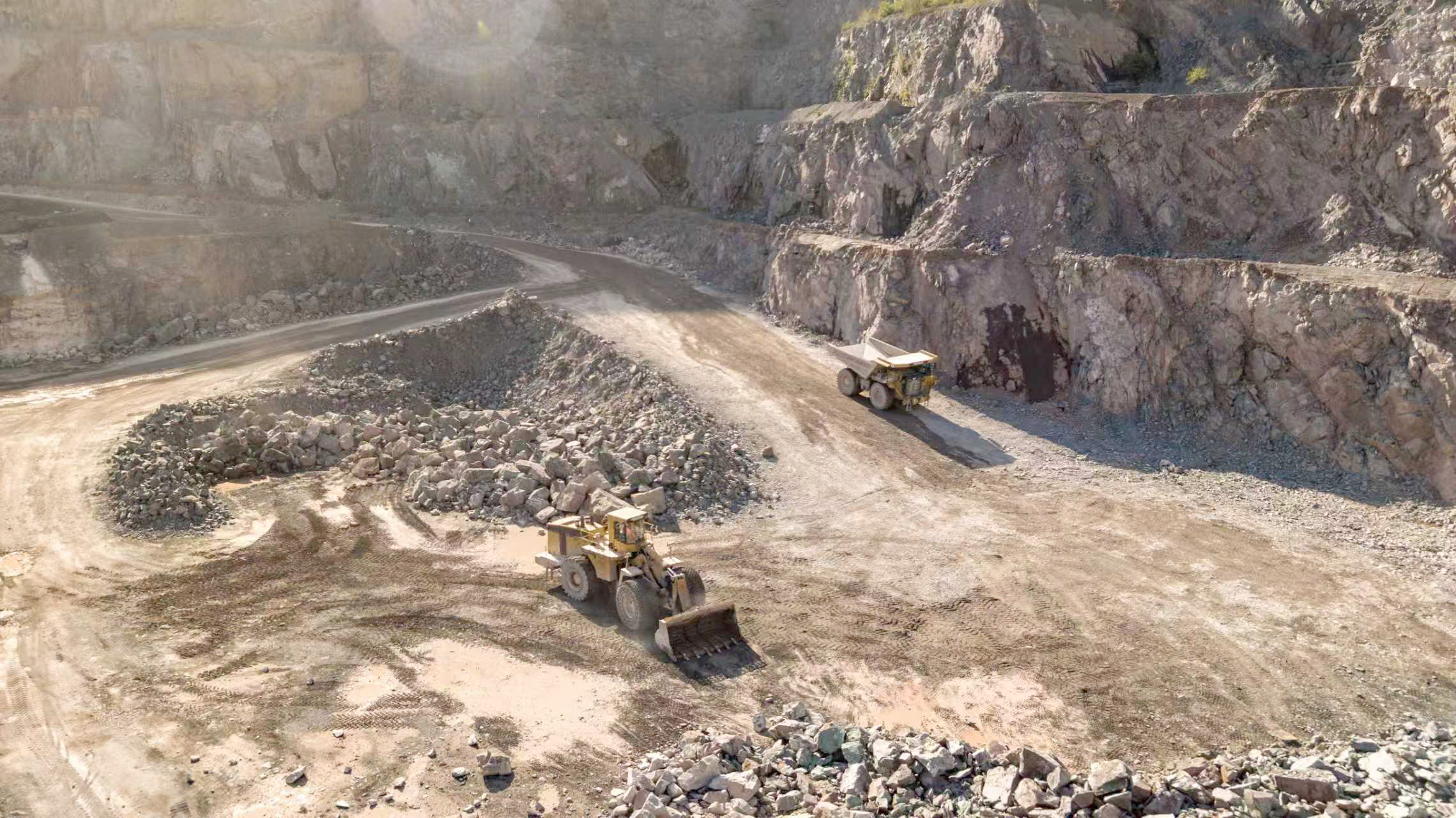
几内亚西芒杜项目正式投产 重塑全球铁矿石供应格局
Qi Huo Ri Bao· 2025-11-13 00:11
Core Insights - The Simandou iron ore project in Guinea, one of the largest and highest-quality undeveloped mines globally, has commenced commercial operations after nearly 30 years of dormancy, with an expected annual shipment of 2.5 to 3 million tons in 2025 [1] - The project is set to significantly alter the global iron ore supply landscape, adding 12 million tons of high-grade iron ore annually, which will account for approximately 5% of global supply, positioning Africa as the third-largest supplier after Australia and Brazil [2] - The project will enhance China's bargaining power in iron ore pricing, reducing its dependency on Australian and Brazilian imports from 84% to below 65%, and allowing for more favorable negotiations with traditional mining giants [3] Supply Dynamics - The Simandou project is expected to reach a combined annual production of 60 million tons by 2025, with further increases to 120 million tons by 2026 [1] - The successful launch of Simandou is anticipated to stimulate iron ore development across Africa, with other countries like Sierra Leone, Liberia, and Mauritania having significant untapped resources [2] Pricing Structure - The introduction of the "North Iron Index," priced in RMB, challenges the traditional Platts index, indicating a shift in the pricing dynamics of the iron ore market [4] - The project is expected to lead to a structural adjustment in pricing, with long-term contracts becoming more prevalent, reducing reliance on spot market fluctuations [4] Industry Transformation - The high iron content and low impurity levels of Simandou's ore will drive upgrades in the steel industry, enhancing the competitiveness of electric arc furnace steel production in China [5][6] - The project is projected to lower steel production costs by 10% to 15%, saving over 20 billion RMB annually for Chinese steel companies [6] Environmental Impact - The high-grade iron ore from Simandou is particularly suitable for hydrogen metallurgy, potentially reducing carbon emissions by 5% to 8% per ton of steel produced, aligning with China's carbon neutrality goals [6] - The project supports the transition to low-carbon steel production, with plans for hydrogen reduction iron facilities to be established [6] Cost Competitiveness - The production cost of Simandou is estimated to be between 60 to 70 USD per ton, which, while higher than some Australian mines, remains competitive due to the quality premium and reduced exchange costs for Chinese buyers [8] - The project is expected to provide new cost support for the iron ore market, with short-term price stability anticipated despite current high global inventories [9] Long-term Market Outlook - In the medium to long term, as Simandou's capacity is fully realized, the global iron ore supply is expected to increase, leading to a downward pressure on prices, potentially stabilizing around 70 to 80 USD per ton [9] - The introduction of Simandou's high-grade supply may widen the price gap between high and low-grade ores, influencing regional price disparities in the Asian and European markets [9]
西芒杜将重塑全球铁矿石供应格局
Bei Jing Ri Bao Ke Hu Duan· 2025-11-12 00:39
Core Insights - The commissioning of the Simandou iron ore mine in Guinea is expected to reshape the global iron ore supply landscape, with an initial annual production capacity of 120 million tons [1][2] - Guinea is poised to become the world's third-largest iron ore supplier after Australia and Brazil, potentially altering the supply and pricing structure of iron ore globally [2][3] - The high-grade iron ore from Simandou, with a content of approximately 66%, offers higher smelting efficiency and aligns with the steel industry's need to reduce emissions [1][3] Industry Impact - The development of the Simandou project is anticipated to double Guinea's GDP and create thousands of jobs, fostering economic corridors around railways and ports [3] - The project is a significant milestone in China-Guinea mining cooperation, enhancing Guinea's sustainable and inclusive development [2][3] - The diversification of iron ore imports through Simandou will strengthen China's supply chain security and reduce reliance on Australia and Brazil, enhancing China's bargaining power in the iron ore market [4]