
共享单车安全

Search documents
共享单车骑行中突然落锁致人受伤?滴滴青桔、哈啰单车回应
新浪财经· 2025-09-12 08:51
Core Viewpoint - Recent incidents involving users of Hello Bike and Didi Qingju experiencing sudden locking of bikes during rides have raised safety concerns, with both companies investigating the claims and providing responses regarding the technical issues involved [2][9][15]. Group 1: Incident Reports - Multiple users reported that Hello Bike and Didi Qingju bikes unexpectedly locked during rides, leading to injuries such as abrasions and fractures [3][9]. - Users expressed dissatisfaction with customer service responses, stating that they were told no technical faults were found and were offered minimal compensation [3][12]. Group 2: Company Responses - Hello Bike stated that their technical team conducted a thorough analysis of user data and found no evidence of technical defects causing the automatic locking incidents. They identified potential scenarios that could lead to such occurrences, including user error and mechanical issues [11][12]. - Didi Qingju acknowledged the possibility of chain looseness causing ride interruptions and confirmed that there were no software-related issues. They expressed regret for the negative riding experiences and are handling user claims for medical compensation [14][15]. Group 3: Industry Context - The rise of shared bicycles as a common mode of transportation has led to increased scrutiny over their safety mechanisms, particularly concerning the remote locking feature [21][23]. - As of December 2023, over 6 billion users have utilized internet rental bicycles in China, with more than 12 million vehicles deployed across over 410 cities, highlighting the importance of reliable safety measures in this sector [21][24].

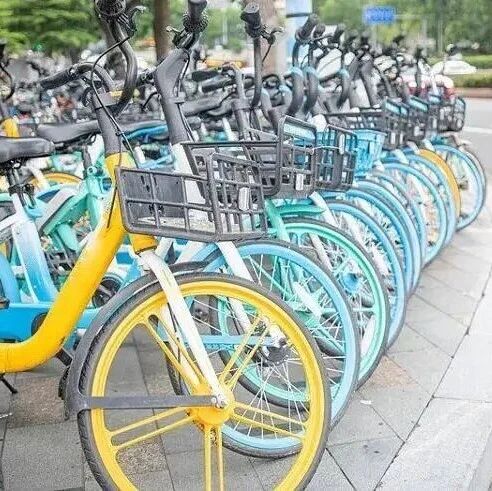
刚扫的单车,没骑几分钟就“车轮抱死”,人被摔骨折,共享单车自动落锁?青桔、哈啰回应:不存在因技术缺陷导致自动落锁情况
3 6 Ke· 2025-09-11 23:55
Core Viewpoint - The frequent incidents of shared bicycle accidents due to automatic locking mechanisms have raised significant safety concerns among users, prompting major companies like Qingju and Hello to respond to allegations of technical defects in their systems [1][2][3]. Company Responses - Qingju stated that the incidents may be attributed to loose chains causing riding difficulties, denying any software-related issues [2][3]. - Hello also confirmed that their technical team found no evidence of automatic locking anomalies and emphasized that all bicycles undergo strict pre-ride inspections [2][3]. Incident Statistics - Reports indicate at least 41 incidents of automatic locking accidents involving shared bicycles over the past two years, affecting multiple platforms [1]. - A specific case involved a user suffering three fractures and soft tissue injuries, highlighting the severity of such incidents [2]. User Concerns and Industry Analysis - Users have expressed skepticism regarding the companies' self-assessments, calling for transparency in testing processes and third-party evaluations to ensure safety [3][6]. - Industry analysts suggest that the current insurance mechanisms for shared bicycles are inadequate, particularly regarding accidents caused by vehicle malfunctions, and recommend adopting a more structured insurance framework similar to that of ride-hailing services [6][7]. Regulatory Perspective - Regulatory bodies have been monitoring the shared bicycle industry, focusing on issues like pricing and safety, but further emphasis on enforcing corporate responsibility and enhancing safety measures is necessary [7]. - The industry is transitioning from rapid growth to refined operations, with a focus on improving user trust through better safety protocols and insurance mechanisms [7].
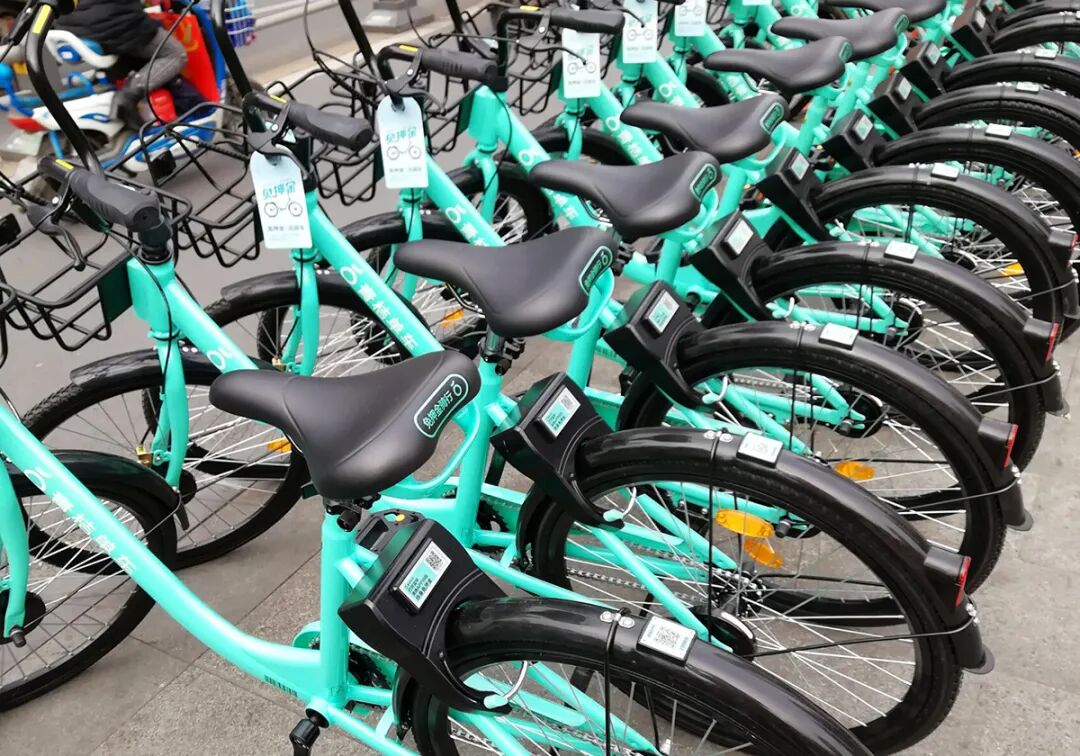
骑行中“自动落锁”,共享单车该如何“锁定”安全
Qi Lu Wan Bao· 2025-09-10 07:52
Core Points - Recent incidents of shared bicycles automatically locking during rides have raised safety concerns, with at least 41 reported cases in cities like Beijing and Shanghai [1][2] - A user in Shanghai suffered three fractures due to a fall caused by an automatic lock, highlighting the potential dangers of this issue [1] - Shared bicycle companies have acknowledged the existence of a remote locking feature but deny that it caused the accidents, attributing them to possible chain malfunctions instead [1][2] Industry Response - The lack of urgency from shared bicycle companies regarding the automatic locking incidents is concerning, as they seem to downplay the severity of the situation [1] - Companies must take immediate action to investigate the causes of these incidents and implement safety measures, such as disabling the locking feature while the bicycle is in motion [2] - Regulatory measures in cities like Beijing, Shanghai, and Nanjing have increased scrutiny on shared bicycles, including designated no-ride and no-parking zones, which may lead companies to consider remote locking as a cost-saving measure [2]