
关税保护主义

Search documents
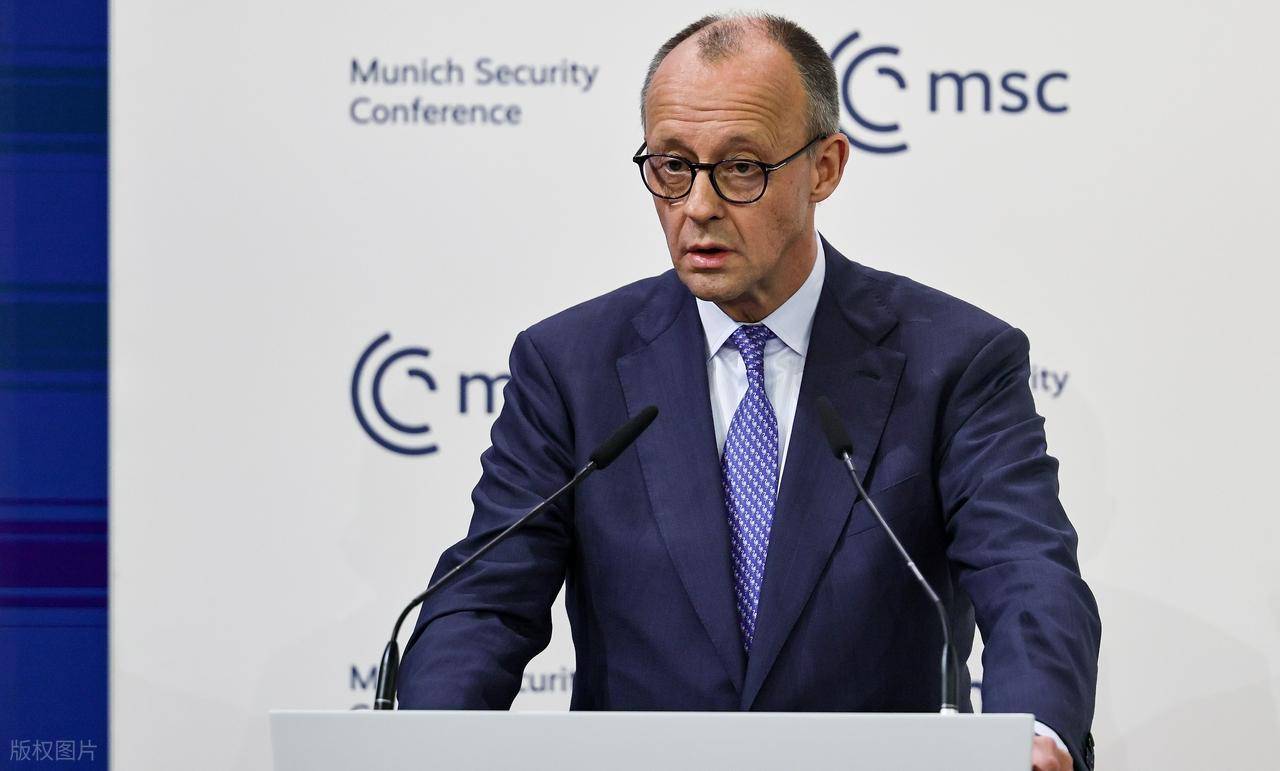
重磅!美国加征关税之际,德国总理急了,下周访华求建战略伙伴关系
Sou Hu Cai Jing· 2026-02-19 18:47
Core Viewpoint - The upcoming visit of German Chancellor Merz to China aims to establish a "strategic partnership" with China, reflecting Germany's need to seek new economic opportunities amid the challenges posed by U.S. tariff policies [1][3][4]. Group 1: Economic Context - The U.S. has been implementing tariff policies that significantly impact global trade, with Germany being one of the affected countries, facing increased costs and reduced sales in key export sectors such as automotive and machinery [1][4]. - Germany's economy is heavily reliant on exports, and the U.S. market has traditionally been a crucial destination for German goods. The recent tariffs have led to a sharp decline in exports, particularly in the automotive industry, which is vital for Germany's economic health [4][5]. Group 2: Strategic Partnership - The concept of a "strategic partnership" involves long-term, stable cooperation across political, economic, and diplomatic fields, which Germany seeks to establish with China to counterbalance U.S. pressures [3][9]. - Merz's emphasis on this partnership indicates a significant shift in Germany's foreign policy, prioritizing deeper cooperation with China as a strategic necessity [3][10]. Group 3: Broader European Implications - Merz's visit is not solely about bilateral relations; it aims to enhance cooperation between Europe and China, as many European nations face similar economic challenges due to U.S. tariffs [5][14]. - The German government is under pressure to act decisively to prevent further economic decline, and strengthening ties with China is seen as a critical step in this direction [5][11]. Group 4: Public and Business Support - There is considerable support among German businesses and the public for strengthening ties with China, as many view the Chinese market as essential for future growth and recovery from current economic difficulties [8][12]. - Business leaders express optimism that Merz's visit could lead to enhanced cooperation and better conditions for German companies operating in China [8][12]. Group 5: Challenges Ahead - Establishing a strategic partnership with China will not be without challenges, including differing opinions within Europe and existing tensions between China and some European nations influenced by U.S. policies [9][15]. - The potential for U.S. interference in the form of increased tariffs or diplomatic pressure poses a significant challenge to the success of Merz's visit and the broader goal of enhancing EU-China relations [11][15].

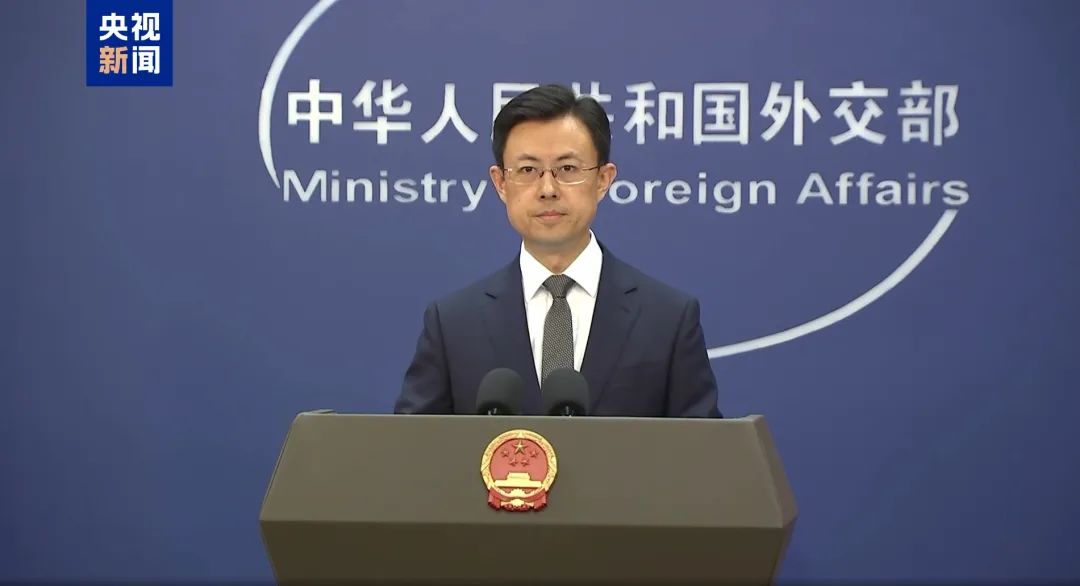
美国对中国实施网络攻击,中方回应
Zheng Quan Shi Bao Wang· 2025-08-01 09:15
Group 1 - The Chinese Ministry of Foreign Affairs highlighted that the U.S. government is the primary cyber threat to China, as evidenced by recent reports of cyber attacks against China using allies as a base [3] - The Ministry emphasized the need for dialogue and cooperation in addressing cybersecurity challenges, asserting that it is a common issue faced by all nations [3] - China expressed its consistent opposition to the imposition of tariffs, stating that trade wars have no winners and that protectionism harms the interests of all parties involved [3] Group 2 - China expressed shock and disappointment over U.S. sanctions against Palestinian officials, criticizing the U.S. for ignoring international efforts for peace [4] - The Ministry reaffirmed its support for the Palestinian people's legitimate rights and called for a fair and responsible approach from the international community, particularly the U.S., in resolving the Palestinian issue [4] - China aims to work with the international community to achieve a comprehensive, just, and lasting solution to the Palestinian issue based on the "two-state solution" [4]
巴西总统呼吁法国支持南共市-欧盟自贸协定
Xin Hua She· 2025-06-06 01:20
Core Viewpoint - Brazilian President Lula calls for French President Macron's support for the Mercosur-EU free trade agreement, emphasizing its importance in countering unilateralism and tariff protectionism in the current global trade environment [1] Group 1: Agreement Significance - The Mercosur-EU free trade agreement is seen as a strategic response to rising global tariffs, particularly from the U.S., and aims to create a free trade zone covering over 700 million people [1] - The agreement would eliminate tariffs on most goods traded between the EU and Mercosur countries, which include Argentina, Brazil, Paraguay, and Uruguay [1] Group 2: Member States' Positions - Germany and Spain support the agreement, primarily to open markets for the automotive industry in Mercosur [2] - Mercosur seeks to expand exports of agricultural products such as meat, rice, honey, and soybeans to the EU [2] - France opposes the current form of the agreement due to concerns over its impact on domestic agriculture and aims to negotiate protective measures for French farmers [2] Group 3: Approval Process - The agreement requires approval from at least 15 of the 27 EU member states to be implemented [1]
中美普林格时钟5月资产配置月报:中美日内瓦经贸会谈取得重大进展-20250512
ZHONGTAI SECURITIES· 2025-05-12 14:38
Group 1: U.S.-UK Economic Prosperity Deal - The U.S.-UK Economic Prosperity Deal is largely a symbolic political gesture, failing to address core bilateral trade issues and structural barriers [14][16]. - The agreement allows the UK to reduce tariffs from 5.1% to 1.8%, while the U.S. maintains a 10% tariff on UK goods, indicating a continuation of U.S. protectionist policies [15][16]. - The deal focuses on traditional goods trade, avoiding sensitive structural issues such as digital trade and labor standards, which are crucial for long-term trade dynamics [16][16]. Group 2: U.S.-China Geneva Talks - The U.S.-China high-level economic talks in Geneva resulted in significant progress, establishing a negotiation mechanism for future discussions [4][18]. - Both parties agreed to modify tariffs on each other's goods by May 14, 2025, with the U.S. suspending 24% of tariffs initially and retaining 10% on certain products [19][20]. - The current stage of negotiations is focused on framework establishment, with future discussions expected to address more substantive issues like technology and investment [20][21]. Group 3: Pring Clock Analysis - The U.S. economic indicators suggest a potential move towards stage five of the Pring Clock, although stock indicators are deteriorating, with a current reading of 58% [6][24]. - China's economic indicators remain in stage three, but both stock and commodity indicators are declining, which is a negative signal during the recovery phase [33][33]. - The bond-stock ratio shows a downward trend, indicating that stocks may perform better than bonds in the short term [33][33].