
内部治理

Search documents
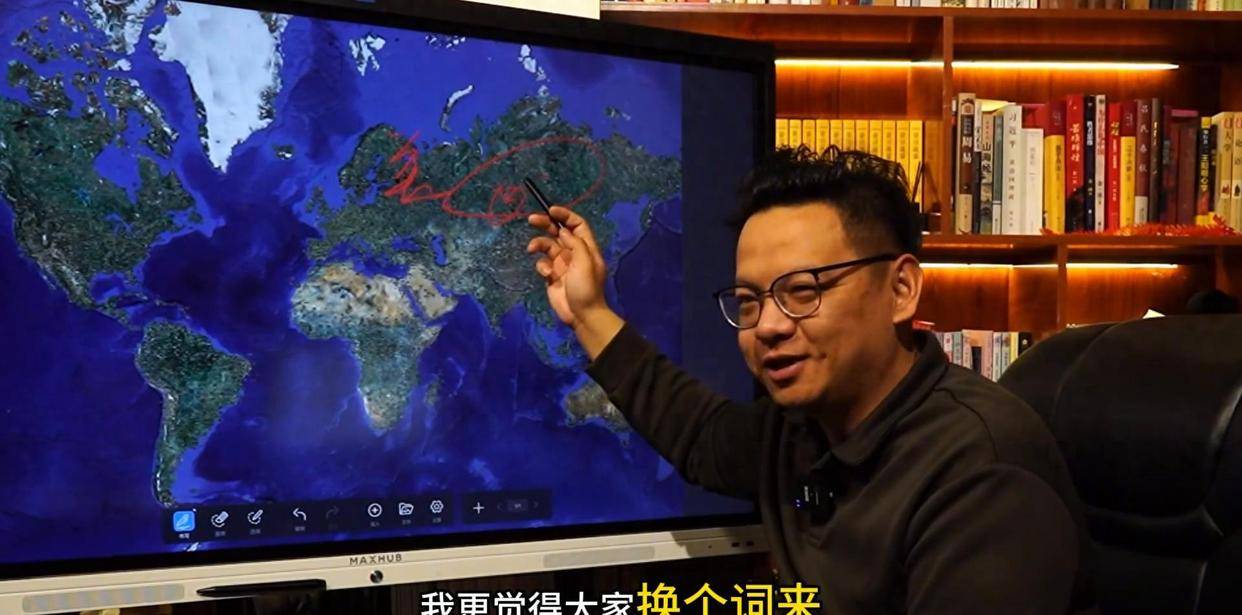
俄想重返美元体系影响有限,但其教训值得借鉴,真有参考价值
Sou Hu Cai Jing· 2026-02-22 20:42
Core Viewpoint - Russia's potential re-engagement with the US dollar settlement system has sparked debate, with some questioning whether this constitutes a betrayal of China. However, the reality is that Russia's current economic situation limits its ability to act independently, as it heavily relies on China for energy exports and imports [1][5][10]. Group 1: Economic Dependence - Over 60% of Russia's oil exports go to China, and more than 57% of its imports come from China, indicating a significant economic dependency [1][10]. - The position of the Chinese yuan in Russia's foreign exchange reserves has risen to second place, following gold, highlighting the yuan's growing importance [1]. - Russia's economy is primarily driven by energy exports, particularly oil and natural gas, which are crucial for its financial stability [6]. Group 2: Strategic Considerations - Russia's interest in rejoining the dollar system is driven by survival instincts rather than a strategic betrayal of China, as it seeks to alleviate sanctions pressure and improve trade efficiency [5][6]. - Despite political tensions, there are underlying economic interests between Russia and the US, particularly in maintaining the dollar's role in global energy transactions [6][30]. - Russia's attempts to engage with the US are seen as logical given its historical status and reluctance to remain dependent on a single country [3][5]. Group 3: Internal Challenges - Russia faces systemic issues, including stagnation in productivity, lack of innovation, and a resource-dependent economy, which hinder its long-term growth [11][13]. - The internal governance problems and the influence of oligarchs have led to a situation where national interests are often sidelined for personal gain [13][36]. - The ongoing reliance on energy exports makes Russia vulnerable to international market fluctuations, further complicating its economic recovery [11][13]. Group 4: Implications for China - China should not overly concern itself with Russia's potential shift back to the dollar system, as this reflects Russia's weaknesses rather than a threat to China's position [32][38]. - The focus for China should be on strengthening its own capabilities, including military, financial, and technological advancements, to ensure long-term stability and independence [18][20][21]. - The lessons from Russia's current predicament emphasize the importance of maintaining a robust economic structure and avoiding over-reliance on external partners [33][36].

九江银行未来关键事件梳理,增资与资产质量成焦点
Jing Ji Guan Cha Wang· 2026-02-14 07:18
Core Viewpoint - Jiujiang Bank (06190.HK) is undergoing significant changes, including a capital increase plan and potential shifts in shareholder structure, which may impact its financial stability and governance. Group 1: Company Project Advancement - Jiujiang Bank plans to initiate a capital increase in October 2025, proposing to issue up to 860 million domestic shares and 175 million H-shares, potentially increasing total shares from 2.847 billion to 3.882 billion, a 36.4% increase. The first major shareholder, Jiujiang Municipal Finance Bureau, and the third major shareholder, Industrial Bank, have expressed intent to subscribe, but there has been no substantial progress on the H-share issuance. Future attention is needed on whether the fundraising target is met and its impact on the equity structure of new and existing shareholders [1]. Group 2: Company Structure and Governance - The seventh largest shareholder, Yuhang (Xiamen) Holdings (holding 3.04%), is facing a failed auction of its shares in December 2025. The eighth largest shareholder, Jiangxi Baoshen Industrial (holding 2.98%), has also encountered difficulties in selling its shares, which are currently in the process of being liquidated. These issues may lead to changes in the equity structure and affect the stability of corporate governance [2]. Group 3: Financial Condition - As of September 2025, Jiujiang Bank's core Tier 1 capital adequacy ratio stands at 8.63%, a decrease of 0.81 percentage points since the beginning of the year, approaching the regulatory minimum. The capital increase plan aims to replenish core Tier 1 capital, which will directly influence whether the capital adequacy ratio can recover to a safe level (above 9.5%), thereby affecting the bank's risk resilience [3]. Group 4: Operating Condition - As of June 2025, the non-performing loan ratio is 1.88%, but the proportion of special mention loans is high at 5.79%. Additionally, a debt of 720 million yuan owed by local AMC Guothou Assets, which accounts for 80.8% of the bank's net profit for the first three quarters of 2025, remains unresolved. Attention is needed on the progress of non-performing asset disposal, changes in exposure to the real estate sector, and whether this will lead to further provisioning [4]. Group 5: Policy and Regulation - In the first half of 2025, the bank received multiple regulatory fines related to the improper use of credit funds. From late 2025 to early 2026, there has been a surge in consumer complaints regarding issues such as aggressive debt collection and violations of credit inquiry regulations. Future observation is required on the internal governance optimization measures and the outcomes of regulatory reviews [5]. Group 6: Recent Stock Performance - The H-share price has declined approximately 84% from its peak in 2021, with a price-to-book ratio of only 0.13 times at the beginning of 2026. Developments in the capital increase, signals of asset quality improvement, or internal compliance issues may exacerbate stock price volatility, necessitating attention to market sentiment changes [6].
公司快评|担保逾期后再加码担保额度遭董事反对,创兴资源应强化风险评估与监控
Mei Ri Jing Ji Xin Wen· 2025-04-02 03:10
Core Viewpoint - The company, Chuangxing Resources, plans to increase the guarantee limit for its subsidiaries, despite concerns about potential risks due to past overdue guarantees [1][2] Group 1: Company Decisions - On March 31, Chuangxing Resources announced a board meeting to review the addition of a guarantee limit of up to 50 million yuan for its subsidiaries, JiaoTi Technology and HeTuo Technology, to meet operational needs and improve capital efficiency [1] - The current total guarantee amount is 50 million yuan, which accounts for 16.85% of the company's latest audited net assets [1] Group 2: Internal Governance and Risks - Board member Tong Xin opposed the increase in guarantee limits, citing risks associated with the current situation, particularly after overdue guarantees were reported for JiaoTi Technology [1][2] - Previous instances of Tong Xin voting against company decisions indicate potential governance issues and internal disagreements regarding risk management and decision-making processes [2] Group 3: Financial Implications - Chuangxing Resources has faced overdue payments from JiaoTi Technology, with overdue amounts of approximately 3.79 million yuan and 8.82 million yuan reported for loans due on February 28 and March 10, respectively [1] - The decision to increase the guarantee limit may support the subsidiaries' funding needs but also highlights the company's shortcomings in risk control, necessitating a balance between supporting growth and managing risks effectively [2]
