前置仓生鲜电商

Search documents
下沉县市、区域加密,朴朴超市冲刺上市
Sou Hu Cai Jing· 2026-01-08 10:00
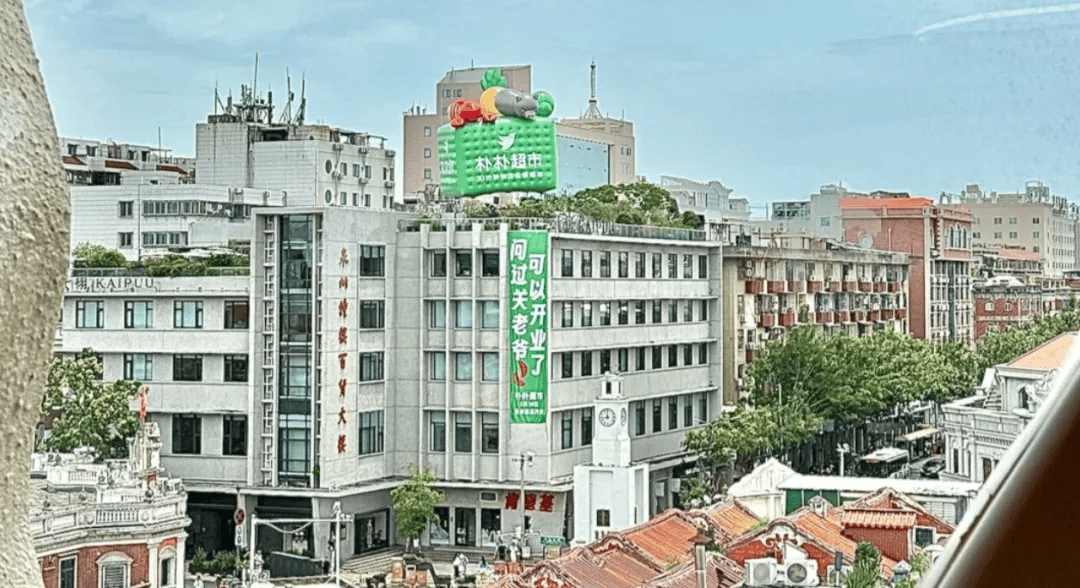
Core Insights - Pupu Supermarket, founded in 2016 in Fujian, is preparing for an IPO with a current revenue of 30 billion RMB, positioning itself as a strong competitor in the market [2] - The company is expanding its operations into new cities and exploring additional business models such as private labeling and catering to enhance its market presence [2][4] - The competitive landscape has shifted, with major players like Meituan and Hema aggressively expanding in Southern China, making the market increasingly challenging for Pupu Supermarket [3][4] Company Overview - Pupu Supermarket operates in 9 cities and is planning to enter Zhangzhou while also targeting county-level markets like Quanzhou Jinjiang for greater market penetration [2] - The company has registered a Hong Kong listing entity, Jinxi (Hong Kong) Limited, indicating long-term ambitions for public listing [2] - Pupu Supermarket's founder, Chen Xingwen, has a background in construction and local fitness projects, contrasting with competitors who have more extensive internet-related experience [4][6] Financial Performance - Pupu Supermarket's revenue for 2024 is projected at 29.08 billion RMB, averaging about 3.3 billion RMB per city, which is competitive compared to Meituan's reported revenue of 30 billion RMB across 21 cities [11] - The company has faced challenges in maintaining delivery efficiency and cost management, which are critical in the front warehouse model [7][10] Market Dynamics - The market for front warehouse fresh e-commerce has become more competitive, with significant changes in investor sentiment following the struggles of companies like Missfresh [4][12] - Pupu Supermarket has adopted a strategy of deep regional penetration, focusing on establishing a stronghold in cities like Fuzhou and Xiamen [9][10] - The company has previously attempted to expand into Wuhan and Chengdu but faced setbacks due to market conditions and competitor withdrawals [12] Competitive Landscape - The competition is intensifying, with Meituan's Xiaoxiang Supermarket planning to expand into Fuzhou, further complicating Pupu Supermarket's growth strategy [11][13] - The industry is witnessing a consolidation phase, with major players like JD Group showing interest in acquiring businesses like Pupu Supermarket [11][12] - The retail sector remains challenging, with a focus on product quality and operational efficiency becoming paramount for survival [13]


13元让打工人吃饱,朴朴想抢外卖生意
3 6 Ke· 2025-09-18 11:27
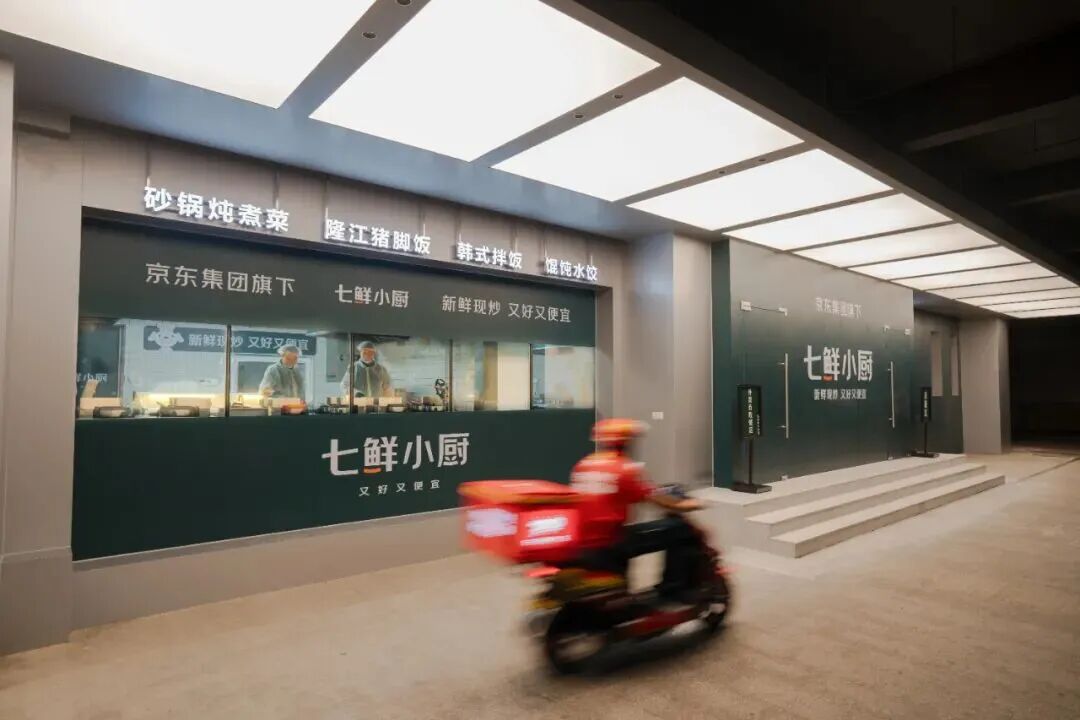
Core Insights - The takeaway from the article is that the food delivery industry is becoming increasingly competitive, with Pupu Supermarket quietly launching its delivery service "Pupu Kitchen" in Fuzhou, targeting young consumers' meal needs amidst a challenging restaurant environment [2][3][15]. Company Overview - Pupu Kitchen has launched its delivery service in a limited area around its headquarters in Fuzhou, focusing on a small-scale test [2][3]. - The service offers a variety of food options, including Chinese and Western fast food, coffee, and tea, with prices aimed at being affordable for young consumers [5][6]. - Pupu Kitchen emphasizes food safety and quality, promoting a "transparent kitchen" concept and using fresh ingredients [10][17]. Market Context - The food delivery market in China is growing, with online food delivery users expected to reach 592 million by December 2024, representing 53.4% of internet users [9]. - A significant portion of this market consists of young professionals aged 25-35, who prefer delivery for convenience [9][10]. - The rise of "ghost kitchens" and food safety concerns have created challenges for the industry, prompting new entrants like Pupu Kitchen to address these issues directly [9][10]. Competitive Landscape - Pupu Kitchen is entering a competitive space alongside established players like Meituan and JD, which have also launched their own delivery services targeting similar demographics [7][8][15]. - The competition is intensifying as major players invest heavily in expanding their delivery networks, with Meituan planning to open 1,200 "Raccoon Canteens" and JD aiming for over 10,000 "Seven Fresh Kitchens" [14][15]. - Pupu's strategy to enter the delivery market is seen as a way to maintain market share and leverage its existing supply chain and delivery resources [16][17]. Future Outlook - The article suggests that the food delivery sector will continue to evolve, with ongoing competition and the need for companies to innovate in order to capture consumer interest [15][19].