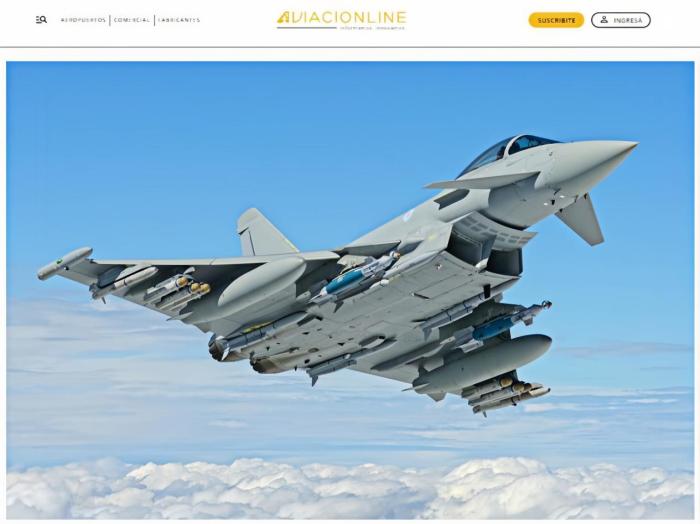
北约内部矛盾

Search documents
加总理刚到中国,欧盟就举起了反旗,德国带头,要与美国一较高下
Sou Hu Cai Jing· 2026-02-08 16:04
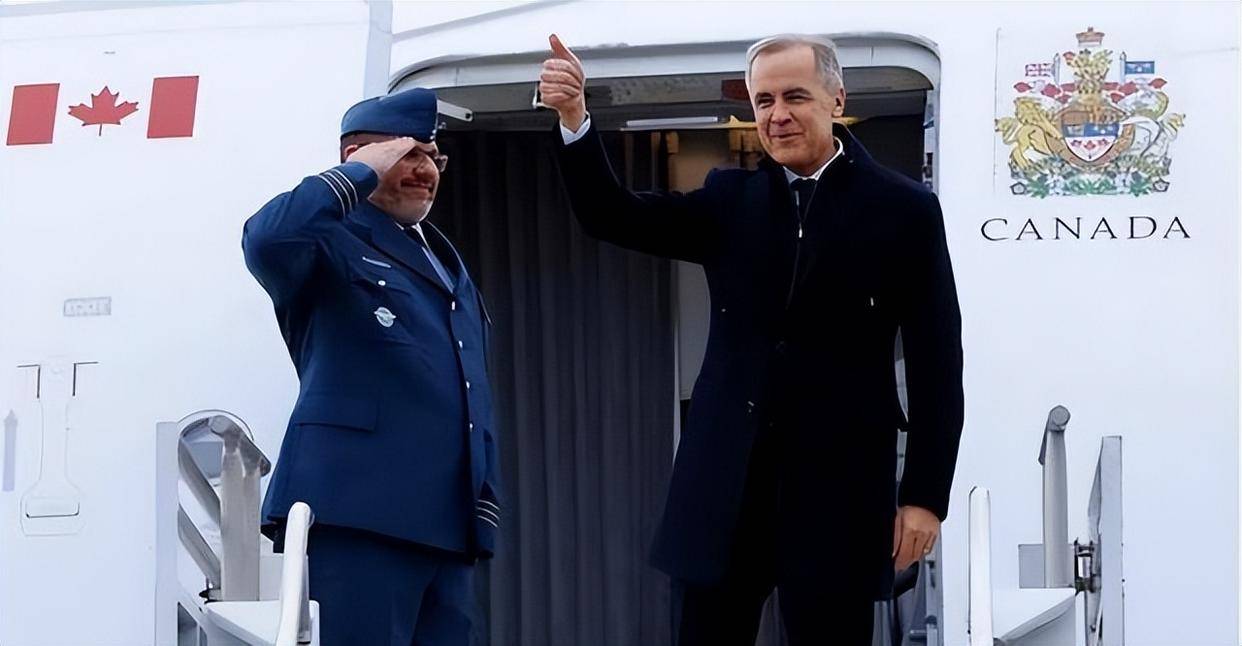
Group 1 - Mark Carney's visit to China aims to diversify Canada's export markets and reduce reliance on the U.S. due to ongoing tariff threats since Trump's administration [1] - China has lowered tariffs on Canadian canola, while Canada has reduced tariffs on certain Chinese electric vehicles from 100% to 6.1% [1] - The agreement includes visa exemptions for Chinese tourists visiting Canada, further indicating a strategy to lessen dependence on the U.S. market [1] Group 2 - Denmark leads the Arctic endurance operation with support from several European countries, focusing on reconnaissance and preparation for future exercises [3] - Trump's announcement of tariffs on eight European countries, contingent on Denmark's agreement to sell Greenland, has heightened tensions and is linked to Arctic security [3][5] - Germany emphasizes the need for European unity in response to U.S. economic coercion, while the EU discusses countermeasures [5][6] Group 3 - Carney's statements align with EU positions, advocating for Greenland and Denmark's autonomy and opposing external impositions [8] - The cancellation of tariff threats by Trump after discussions with NATO Secretary-General stabilizes markets and leads to a rebound in U.S. and European stock markets [10] - The framework agreement reached does not resolve the sovereignty issue over Greenland, indicating ongoing negotiations and the need for balance among involved parties [10][12] Group 4 - The situation reveals structural tensions within NATO, with the U.S. seeking resources and positioning while Europe defends sovereignty and interests [12] - Canada's agreements during the visit to China may alleviate short-term export pressures and contribute to a multipolar trade landscape [13] - The Arctic strategic competition remains unresolved, despite temporary stabilization from the framework agreement [13]

特朗普10天4次强硬表态!欧盟高官与德国防长紧急会谈 格陵兰岛“受保护”!
Mei Ri Jing Ji Xin Wen· 2026-01-14 00:43
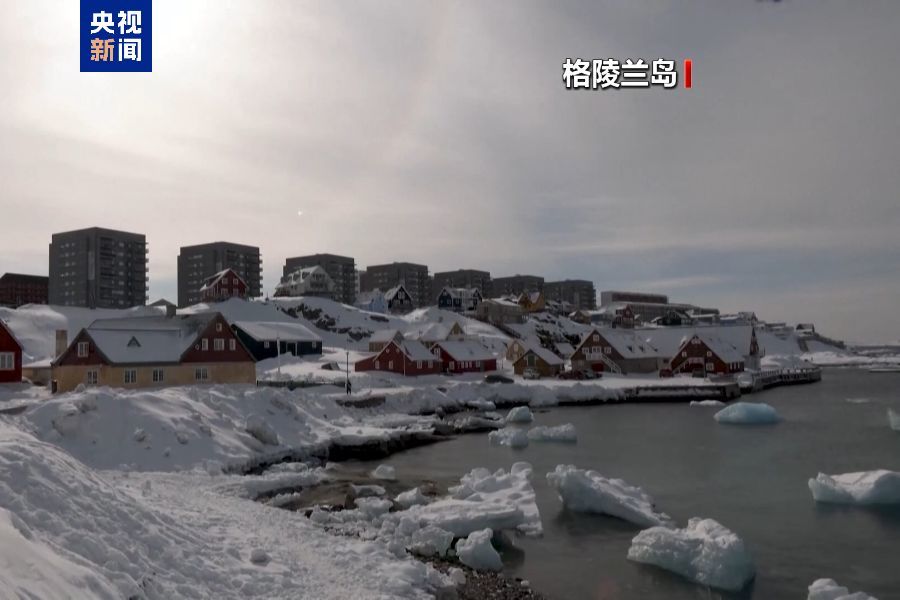
Group 1 - The EU's High Representative for Foreign Affairs, Borrell, and Germany's Defense Minister, Pistorius, discussed security challenges in the Arctic and Greenland, emphasizing the need for NATO's collective interest in the region [1] - Pistorius affirmed support for Denmark's territorial integrity and sovereignty over Greenland, stating that the security of the Arctic must align with the interests of all NATO members, not just the U.S. [1] - Borrell acknowledged the transatlantic relationship with the U.S. but noted that it is not as strong as it once was [1] Group 2 - President Trump has made multiple strong statements regarding the acquisition of Greenland, emphasizing its necessity for the U.S. and expressing a desire for complete ownership [2][3] - Trump has suggested that the U.S. should purchase Greenland and has not ruled out military options to achieve this goal, despite potential impacts on NATO relationships [4][5] - Analysts have identified four potential methods for the U.S. to acquire Greenland: purchasing it, military takeover, inciting independence, or binding treaties [6][7] Group 3 - NATO European countries are actively seeking solutions to counter U.S. intentions regarding Greenland, which could create rifts within the alliance [9] - Proposals include establishing a NATO joint task force named "Arctic Sentinel" to enhance security in the Arctic region and counter U.S. claims [9] - There are discussions among NATO members about potentially expelling U.S. military forces from European bases, which could affect U.S. operations in other regions [9]
“台风”骤起,北约内部裂痕被曝光
Zhong Guo Xin Wen Wang· 2025-10-31 06:06
Core Points - The article discusses the recent £8 billion (approximately $11 billion) Typhoon fighter jet export agreement between the UK and Turkey, described as the largest fighter jet export order in a generation [1][2] - The deal is seen as a strategic symbol of the close relationship between the two nations, with Turkey purchasing 20 Typhoon jets and additional military technology [1][5] Group 1: Economic Impact - The Typhoon deal is expected to preserve 20,000 jobs in the UK and save the Typhoon production line at the Warton factory, which had previously ceased operations due to a lack of overseas orders [2] - The total value of the deal includes not only the aircraft but also advanced missiles and training for Turkish military personnel, indicating a significant investment in military capabilities [5] Group 2: Military Context - The Typhoon is a fourth-generation multi-role fighter developed by a consortium of European nations, and it has been in service since 2003, with over 600 units produced [3] - Turkey's defense budget is projected to be around $26 billion by 2025, with a significant portion allocated for the Typhoon purchase, reflecting its intent to modernize its military capabilities [6] Group 3: Geopolitical Implications - The deal highlights Turkey's response to military pressures from regional competitors, particularly Israel and Greece, which are enhancing their air forces with advanced aircraft [7][8] - The transaction has raised concerns within NATO, as it underscores the complex dynamics and divisions within the alliance, particularly regarding Turkey's military ambitions and its previous exclusion from the F-35 program [11][12]