区域发展失衡

Search documents
印度尼西亚经济加速回暖
Jing Ji Ri Bao· 2026-02-24 22:12
Core Viewpoint - Indonesia's GDP is projected to grow by 5.11% in 2025, marking a recovery from previous years' slowdown and achieving the highest growth rate since 2022 [1][2][3] Economic Performance - The GDP growth rate for 2025 is higher than 5.03% in 2024 and 5.05% in 2023, indicating a positive trend after two years of decline [1] - Quarterly growth shows a consistent acceleration: Q1 at 4.87%, Q2 at 5.12%, Q3 at 5.04%, and Q4 reaching 5.39%, the highest since Q3 2022 [1][2] Inflation and External Stability - Inflation is projected at a moderate 2.92% for 2025, with core inflation at 2.38%, well within the central bank's target range [2] - As of December 2025, Indonesia's foreign exchange reserves are expected to reach $156.5 billion, sufficient for 6.4 months of imports, indicating strong external account stability [2] Regional Economic Comparison - Indonesia's economic growth of 4.9% in 2025 leads the ASEAN region, surpassing the average growth rate of 4.1% for the five ASEAN countries [3] Growth Drivers - The economic recovery is supported by a balanced contribution from consumption, investment, and exports, with household consumption accounting for 53.14% of GDP [4] - Fixed capital formation is expected to grow by 6.12% in Q4 2025, indicating a new investment cycle [4] - Non-oil and gas manufacturing exports reached $187.82 billion from January to October 2025, representing 80.25% of total exports and a 15.75% year-on-year increase [4] Challenges and Outlook - Despite the positive growth, the 5.11% rate falls short of the government's target of 5.2%, raising concerns about growth potential [5] - Moody's downgraded Indonesia's sovereign credit outlook to negative, reflecting concerns over policy predictability and fiscal sustainability [6] - The government remains optimistic, setting a 2026 growth target of 5.4%, with various institutions predicting growth between 5.0% and 5.1% for 2026 [6][7]
3万亿!四川半年成绩单亮眼,这些行业在闷声发大财
Sou Hu Cai Jing· 2025-07-17 12:36
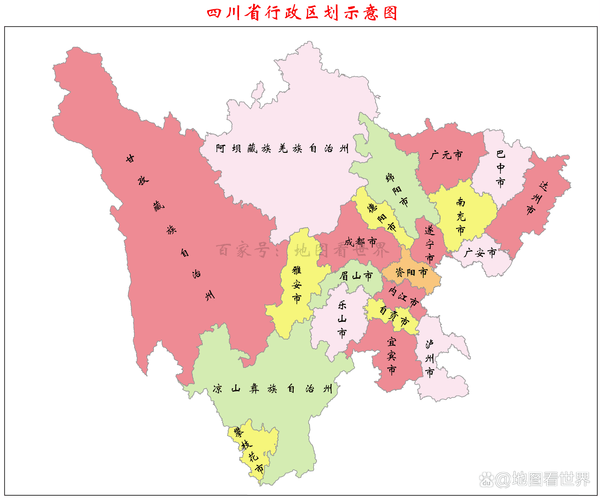
Group 1: Economic Growth Analysis - The GDP of Sichuan reached 31,918.2 billion yuan in the first half of the year, with a year-on-year growth of 5.6%, while the industrial growth rate surged to 7.3% [1][3] - The industrial growth is driven primarily by sectors such as liquor production, with companies like Wuliangye and Luzhou Laojiao seeing stock price increases, indicating strong domestic demand [3][4] - However, the sustainability of this growth is questioned, as reliance on government infrastructure spending may not translate into long-term economic stability if consumer spending does not increase [4] Group 2: Regional Disparities - Chengdu accounts for a significant portion of Sichuan's GDP, estimated at around 15,000 billion yuan, highlighting a concentration of economic activity in the capital [5][6] - This concentration creates an imbalance, with surrounding cities struggling to develop economically, leading to a "brain drain" as young people migrate to Chengdu for better opportunities [6][5] - The disparity raises concerns about long-term regional development, as high living costs in Chengdu may deter talent retention and investment [6] Group 3: Industrial Sector Challenges - Despite a 7.3% industrial growth rate, wages for workers in Sichuan remain stagnant, with many factories offering low pay and relying on temporary labor [7][8] - The industrial landscape is characterized by traditional sectors such as liquor and food processing, which do not provide high profit margins or wages, limiting economic benefits for workers [7] - Automation trends in factories further threaten job security, as fewer workers are needed for production, exacerbating wage stagnation issues [8] Group 4: Consumer Sentiment and Spending - The retail sales growth in Sichuan was only 4.5%, lower than the GDP growth, indicating a lack of consumer confidence and spending power among residents [9] - Rising housing prices in Chengdu, which increased by 66% from 2019 to 2023, further strain household budgets, making it difficult for residents to afford basic living expenses [10] - The disconnect between GDP growth and personal income growth suggests that economic benefits are not being felt by the average citizen, leading to a decline in overall consumer spending [9][10] Group 5: Recommendations for Sustainable Growth - To address regional imbalances, it is suggested that resources be distributed more evenly across Sichuan, promoting innovation and high-end manufacturing in cities like Mianyang and Deyang [11][12] - Investment in high-tech industries is crucial to reduce reliance on traditional sectors like liquor production, which may not sustain long-term economic growth [11] - Policies aimed at increasing wages and controlling housing prices are necessary to enhance consumer spending and improve the overall economic environment for residents [11][12]