泡菜

Search documents
分析师“春节见闻”!有何投资机遇?服务型消费成C位
Sou Hu Cai Jing· 2026-02-23 04:23
Core Insights - The annual analyst field survey during the Spring Festival reveals significant trends in China's economy, with a focus on consumer behavior and industrial developments [1] Consumer Insights - Service-oriented consumption has emerged as a key focus, with analysts noting a strong demand for service consumption during the Spring Festival, particularly in Shanghai, where logistics and service sectors thrived [3] - Observations from Jiangsu province indicate a structural upgrade in consumer behavior, shifting from product-centric to a balance of goods and services, with notable increases in prices and consumption levels in entertainment and dining [3] - The rise of new consumption patterns, such as KTV and cinema attendance, reflects a broader trend towards experiential and service-based spending [2][3] Industrial Insights - Analysts report a rise in new productive forces across various regions, with traditional industries undergoing significant upgrades [5] - In Dalian, the port's logistics advantages have fostered a traditional industrial cluster focused on petrochemicals and equipment manufacturing, with a shift towards refined production processes [5] - Shandong's industrial transformation is highlighted by significant investments in new energy storage technologies, indicating a growing focus on innovative industrial applications [6] Overseas Opportunities - Analysts emphasize the potential for Chinese companies to expand overseas, particularly in Southeast Asia, with Indonesia identified as a key market for Chinese enterprises [7] - The importance of localizing products for the Southeast Asian market is underscored, with successful examples like Mengniu and Mixue demonstrating effective market entry strategies [7] - Observations from Sydney indicate rising prices in consumer goods and housing, highlighting economic challenges in international markets [7]
重庆巴南现代农业发展取得新成效
Zhong Guo Jing Ji Wang· 2026-02-09 07:00
Core Insights - The event "Spokesperson is Here - 'Double High' Agriculture Leading Rural Revitalization" was held in Banan District, Chongqing, focusing on the development of high-quality and high-value modern agriculture to promote rural revitalization [1] Group 1: Agricultural Development - Banan District aims to achieve a primary industry added value of 6.23 billion yuan by 2025, with a growth rate exceeding the average level of Chongqing [1] - The total output value of the agricultural product processing industry is expected to reach 15.23 billion yuan, with the "one main and two auxiliary" industry chain value exceeding 10 billion yuan [1] - The average collective operating income of rural communities is projected to exceed 1 million yuan, and the per capita disposable income of rural residents is expected to reach 29,688 yuan, ranking second in the city [1] Group 2: Key Industries - Banan District contributes 49% of the "vegetable basket" for the central urban area, with three main signature industries: early vegetables, edible fungi, and pickled vegetables [1] - The district has established a seedling center producing 30 million early vegetable seedlings annually, leading to a scale planting of 20,000 acres and an annual output of 70,000 tons valued at approximately 200 million yuan [2] - The edible fungi industry has developed a comprehensive green circular development system, with an expected annual output value of 200 million yuan from the production of mushroom bags [2] Group 3: Sales and Marketing Strategies - The Banan District Commerce Committee is actively facilitating sales channels for local agricultural products through frequent organization of production and sales matchmaking events and exhibitions [3] - The construction of the Chongqing ASEAN International Food Industry Park aims to create the largest professional market for food products in Southwest China [3] Group 4: Environmental Sustainability - A closed-loop green environmental protection industrial system has been established to address concerns about pollution from the edible fungi industry, utilizing agricultural waste as raw materials for mushroom bag production [4] - The waste from mushroom production is repurposed into biochar and organic fertilizer, promoting resource recycling and cost reduction [4] Group 5: Community Engagement - The event included a live broadcast showcasing the opening of the "Four Gentlemen ·墨里青村" live streaming base, highlighting the diverse vitality of rural revitalization in Banan [5]
3万亿!四川半年成绩单亮眼,这些行业在闷声发大财
Sou Hu Cai Jing· 2025-07-17 12:36
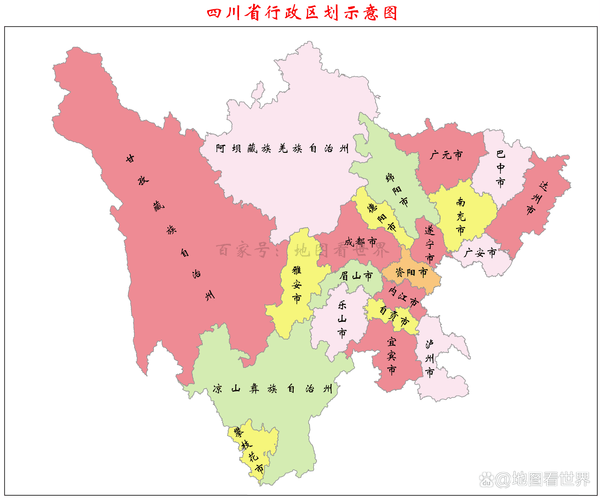
Group 1: Economic Growth Analysis - The GDP of Sichuan reached 31,918.2 billion yuan in the first half of the year, with a year-on-year growth of 5.6%, while the industrial growth rate surged to 7.3% [1][3] - The industrial growth is driven primarily by sectors such as liquor production, with companies like Wuliangye and Luzhou Laojiao seeing stock price increases, indicating strong domestic demand [3][4] - However, the sustainability of this growth is questioned, as reliance on government infrastructure spending may not translate into long-term economic stability if consumer spending does not increase [4] Group 2: Regional Disparities - Chengdu accounts for a significant portion of Sichuan's GDP, estimated at around 15,000 billion yuan, highlighting a concentration of economic activity in the capital [5][6] - This concentration creates an imbalance, with surrounding cities struggling to develop economically, leading to a "brain drain" as young people migrate to Chengdu for better opportunities [6][5] - The disparity raises concerns about long-term regional development, as high living costs in Chengdu may deter talent retention and investment [6] Group 3: Industrial Sector Challenges - Despite a 7.3% industrial growth rate, wages for workers in Sichuan remain stagnant, with many factories offering low pay and relying on temporary labor [7][8] - The industrial landscape is characterized by traditional sectors such as liquor and food processing, which do not provide high profit margins or wages, limiting economic benefits for workers [7] - Automation trends in factories further threaten job security, as fewer workers are needed for production, exacerbating wage stagnation issues [8] Group 4: Consumer Sentiment and Spending - The retail sales growth in Sichuan was only 4.5%, lower than the GDP growth, indicating a lack of consumer confidence and spending power among residents [9] - Rising housing prices in Chengdu, which increased by 66% from 2019 to 2023, further strain household budgets, making it difficult for residents to afford basic living expenses [10] - The disconnect between GDP growth and personal income growth suggests that economic benefits are not being felt by the average citizen, leading to a decline in overall consumer spending [9][10] Group 5: Recommendations for Sustainable Growth - To address regional imbalances, it is suggested that resources be distributed more evenly across Sichuan, promoting innovation and high-end manufacturing in cities like Mianyang and Deyang [11][12] - Investment in high-tech industries is crucial to reduce reliance on traditional sectors like liquor production, which may not sustain long-term economic growth [11] - Policies aimed at increasing wages and controlling housing prices are necessary to enhance consumer spending and improve the overall economic environment for residents [11][12]