彩灯

Search documents
灯影连山海 万家年味浓(文化中国行·视线)
Ren Min Ri Bao· 2026-02-20 23:09
Core Viewpoint - The Sichuan Zigong Lantern Festival is evolving from merely selling lanterns to creating immersive experiences, integrating traditional craftsmanship with modern technology, and expanding its cultural and economic impact both domestically and internationally [10][11][12]. Group 1: Industry Development - The Zigong lantern industry has transitioned from a focus on selling lanterns to selling experiences, with over 80% of the core lantern groups designed and produced in Zigong [10]. - The integration of traditional craftsmanship and modern technology is evident in projects like the "Nanshan Fantasy Night," which features large-scale lantern displays that combine non-heritage techniques with digital technology [9][10]. - The industry has captured 85% of the domestic market share, indicating a strong position in the cultural tourism sector [13]. Group 2: Innovation and Sustainability - The lantern production process is increasingly incorporating green and sustainable practices, utilizing recycled materials and energy-efficient LED lighting [14]. - The design philosophy is evolving to include contemporary narratives and interactive technologies, appealing to younger audiences and enhancing visitor engagement [16][17]. - The establishment of educational programs in collaboration with local universities aims to ensure the transmission of skills and innovation within the industry [17]. Group 3: International Expansion - Zigong lanterns have been showcased in over 80 countries, capturing 92% of the overseas market share, reflecting a successful international outreach strategy [22]. - Collaborations with local entities in foreign markets, such as the partnership with Aardman Animations for the UK lantern festival, demonstrate a tailored approach to cultural exchange [23]. - The lantern industry is positioned as a cultural ambassador for China, with plans for over 100 overseas exhibitions by 2025, contributing to the narrative of cultural diplomacy [24].


3万亿!四川半年成绩单亮眼,这些行业在闷声发大财
Sou Hu Cai Jing· 2025-07-17 12:36
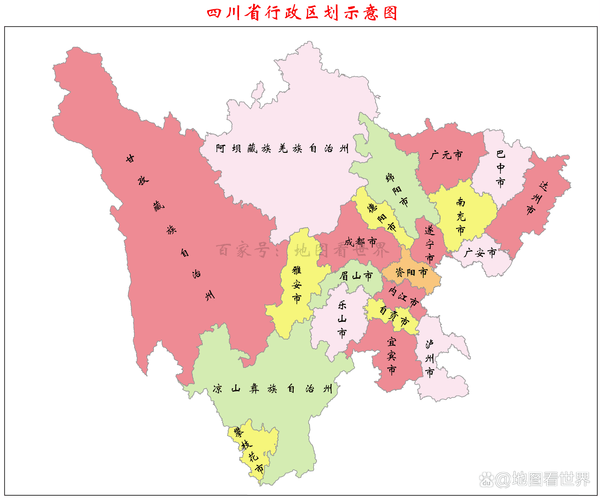
Group 1: Economic Growth Analysis - The GDP of Sichuan reached 31,918.2 billion yuan in the first half of the year, with a year-on-year growth of 5.6%, while the industrial growth rate surged to 7.3% [1][3] - The industrial growth is driven primarily by sectors such as liquor production, with companies like Wuliangye and Luzhou Laojiao seeing stock price increases, indicating strong domestic demand [3][4] - However, the sustainability of this growth is questioned, as reliance on government infrastructure spending may not translate into long-term economic stability if consumer spending does not increase [4] Group 2: Regional Disparities - Chengdu accounts for a significant portion of Sichuan's GDP, estimated at around 15,000 billion yuan, highlighting a concentration of economic activity in the capital [5][6] - This concentration creates an imbalance, with surrounding cities struggling to develop economically, leading to a "brain drain" as young people migrate to Chengdu for better opportunities [6][5] - The disparity raises concerns about long-term regional development, as high living costs in Chengdu may deter talent retention and investment [6] Group 3: Industrial Sector Challenges - Despite a 7.3% industrial growth rate, wages for workers in Sichuan remain stagnant, with many factories offering low pay and relying on temporary labor [7][8] - The industrial landscape is characterized by traditional sectors such as liquor and food processing, which do not provide high profit margins or wages, limiting economic benefits for workers [7] - Automation trends in factories further threaten job security, as fewer workers are needed for production, exacerbating wage stagnation issues [8] Group 4: Consumer Sentiment and Spending - The retail sales growth in Sichuan was only 4.5%, lower than the GDP growth, indicating a lack of consumer confidence and spending power among residents [9] - Rising housing prices in Chengdu, which increased by 66% from 2019 to 2023, further strain household budgets, making it difficult for residents to afford basic living expenses [10] - The disconnect between GDP growth and personal income growth suggests that economic benefits are not being felt by the average citizen, leading to a decline in overall consumer spending [9][10] Group 5: Recommendations for Sustainable Growth - To address regional imbalances, it is suggested that resources be distributed more evenly across Sichuan, promoting innovation and high-end manufacturing in cities like Mianyang and Deyang [11][12] - Investment in high-tech industries is crucial to reduce reliance on traditional sectors like liquor production, which may not sustain long-term economic growth [11] - Policies aimed at increasing wages and controlling housing prices are necessary to enhance consumer spending and improve the overall economic environment for residents [11][12]