
半导体行业并购整合

Search documents
奥拉再谋曲线上市 王成栋的“下下策”
Bei Jing Shang Bao· 2025-11-26 15:57
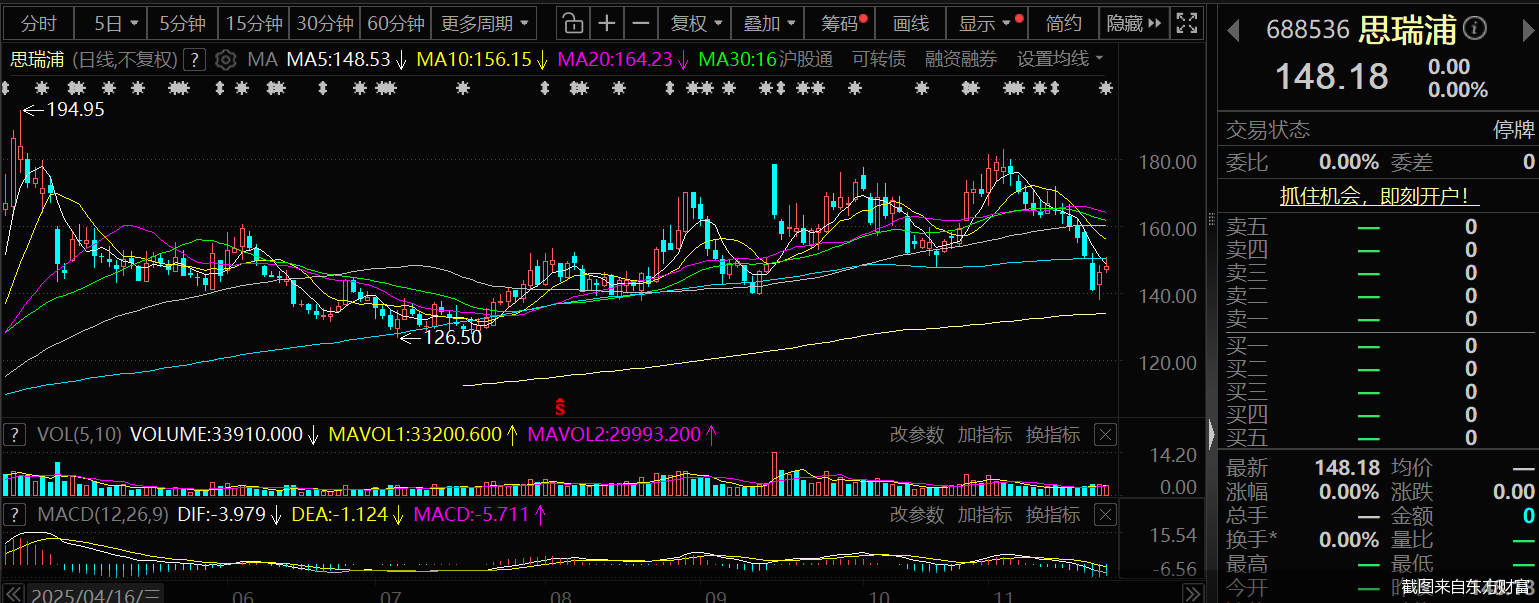
Core Viewpoint - Ningbo Aura Semiconductor Co., Ltd. (hereinafter referred to as "Aura Semiconductor") has faced challenges in its capital journey, including failed IPO attempts and a recent acquisition proposal from a peer company, Si Rui Pu, highlighting the urgency for investors to exit and the difficult choices faced by its leader, Wang Chengdong [1][3][11]. Group 1: Acquisition and Market Context - Si Rui Pu announced a restructuring suspension to plan the acquisition of Aura Semiconductor's equity, with trading suspended from November 26 for up to 10 trading days [3]. - The semiconductor industry has seen a wave of mergers and acquisitions, with Aura Semiconductor's situation drawing significant attention due to its previous capital struggles [3][4]. - Aura Semiconductor, established in 2018, specializes in the research, design, and sales of analog and mixed-signal chips, achieving rapid revenue growth in 2020 and 2021, reaching 400 million and 500 million yuan respectively [3][4]. Group 2: Financial Performance and Valuation - Aura Semiconductor's revenue for 2022 and 2023 was approximately 478 million and 472 million yuan, with net losses of about 856 million and 962 million yuan respectively [7]. - The company's valuation was previously estimated at over 10 billion yuan during a 2021 equity transfer, indicating a significant market position despite recent financial struggles [7][8]. - Si Rui Pu's revenue for 2023 and 2024 is projected at approximately 1.094 billion and 1.22 billion yuan, with net losses of around 34.71 million and 197 million yuan [7]. Group 3: Leadership and Strategic Decisions - Wang Chengdong, who initially aimed for an independent IPO for Aura Semiconductor, is now pursuing a merger with a peer company, indicating a shift in strategy due to market pressures [9][11]. - The previous acquisition attempt by Wang's other company, Shuangcheng Pharmaceutical, was terminated due to disagreements on transaction terms, raising concerns about the current acquisition's feasibility [4][6]. - Wang's extensive experience in both the pharmaceutical and semiconductor industries has shaped his strategic decisions, but the recent challenges suggest a need for a more conservative approach [9][10].

三攻资本市场!奥拉半导体再谋曲线上市,王成栋在急什么
Bei Jing Shang Bao· 2025-11-26 12:22
Core Viewpoint - The recent acquisition of Aura Semiconductor by SIRUI PU highlights the challenges faced by Aura Semiconductor, which has struggled with its IPO attempts and is now being absorbed by a competitor in the semiconductor industry [1][3][12]. Group 1: Acquisition Details - SIRUI PU announced on November 25 that it plans to acquire Aura Semiconductor through a combination of stock issuance and cash payments, with trading suspended for up to 10 days [3][4]. - Aura Semiconductor, established in 2018, specializes in the research, design, and sales of analog and mixed-signal chips, achieving rapid revenue growth in previous years [3][11]. - The acquisition is part of a broader trend of mergers and acquisitions within the semiconductor industry, as companies seek to consolidate and enhance their product offerings [3][4]. Group 2: Financial Performance - Aura Semiconductor's revenue for 2022 and 2023 was approximately 478 million and 472 million respectively, with net losses of 856 million and 962 million [11]. - In the first seven months of 2024, Aura Semiconductor reported a revenue of about 538 million and a net profit of approximately 307 million, indicating a turnaround [11]. - SIRUI PU's revenue for 2023 and 2024 was approximately 1.094 billion and 1.22 billion respectively, with net losses of 34.71 million and 197 million [11]. Group 3: Background of Key Individuals - Wang Chengdong, the controlling figure behind both Aura Semiconductor and the listed company Shuangcheng Pharmaceutical, has faced significant challenges in his capital strategy, including failed IPO attempts and acquisition plans [12][14]. - Wang's experience in the pharmaceutical industry and his ventures into the semiconductor sector reflect a strategic shift, but the recent developments suggest a retreat from his original plans [12][14][16]. Group 4: Market Context - The semiconductor industry has seen increased M&A activity, with companies like SIRUI PU looking to enhance their capabilities in high-growth areas such as data centers and AI servers through strategic acquisitions [5][11]. - The valuation of Aura Semiconductor remains a critical factor in the success of the acquisition, as previous attempts to merge with Shuangcheng Pharmaceutical were hindered by disagreements over pricing [6][9][10].

扬杰科技终止22亿高溢价收购:战略协同遇阻,财务影响可控
Xin Lang Cai Jing· 2025-11-04 08:57
Core Insights - Yangjie Technology announced the termination of its cash acquisition of 100% equity in Dongguan Better Electronics Technology Co., Ltd. due to differences in business philosophy between the two parties, raising questions about the logic of mergers and acquisitions in the semiconductor industry [1][3] Group 1: Transaction Background - Better Electronics is a leading company in the domestic power electronic protection device sector, with core products including power fuses and self-resetting fuses, widely used in high-growth sectors such as new energy vehicles, photovoltaics, and energy storage [2] - In 2024, Better Electronics achieved a revenue of 837 million yuan and a net profit of 148 million yuan, continuing its growth trend into Q1 2025 with a revenue of 218 million yuan and a net profit of 41.13 million yuan [2] - The acquisition was based on the expected strategic synergy between Yangjie Technology's power semiconductor business and Better Electronics' protective components, aiming to cover a complete range of electrical scenarios from device protection to power control [2] Group 2: Reasons for Termination - The direct reason for the termination was the proactive halt by Better Electronics' actual controller and major shareholders, stemming from significant differences in business types, management styles, and corporate cultures [3] - The high premium risk associated with the acquisition was also a critical consideration, with Better Electronics' valuation showing an increase of 282.89%, translating to an increase of 1.64 billion yuan over its book net assets [3] - Yangjie Technology had designed strict performance-based clauses, requiring compensation if actual net profits did not meet 90% of the promised value by the end of 2027, along with a requirement for the sellers to invest 716 million yuan in Yangjie Technology's stock as a performance guarantee [3] Group 3: Industry Implications - The termination of this acquisition serves as a warning for the semiconductor industry, highlighting the risks associated with high premiums and long-term performance guarantees in M&A transactions [4] - The case of Better Electronics illustrates that even with solid performance growth, significant differences in governance structure and cultural integration can lead to failed transactions [4] - Investors should focus on the feasibility of achieving synergies from acquisitions rather than relying solely on financial data and performance guarantees [4]

沪硅产业拟70.4亿元购买新昇晶投等三家企业少数股权
Zheng Quan Ri Bao· 2025-05-21 16:46
Core Viewpoint - Shanghai Silicon Industry Group Co., Ltd. (referred to as "the company") plans to acquire minority stakes in three semiconductor companies, aiming to enhance resource integration and competitiveness in the semiconductor silicon wafer market [1][2]. Group 1: Acquisition Details - The company intends to purchase minority stakes in Shanghai Xinxing Crystal Technology Co., Ltd. (referred to as "Xinxing Crystal"), Shanghai Xinxing Crystal Semiconductor Technology Co., Ltd. (referred to as "Xinxing Semiconductor"), and Shanghai Xinxing Crystal Smart Technology Co., Ltd. (referred to as "Xinxing Smart") through a combination of share issuance and cash payment, with a total acquisition price of approximately 7.04 billion yuan [1]. - Following the transaction, the company will hold 100% equity in the three target companies, with no change in control or actual controller before and after the transaction [1]. Group 2: Industry Context - The semiconductor industry is experiencing rapid growth, driven by increasing demand from end markets such as smartphones and computers, as well as emerging fields like artificial intelligence and automotive electronics [3]. - The demand for semiconductor silicon wafers is supported by product upgrades and technological advancements, expanding the market space for the industry [3]. - The target companies primarily engage in the production of 300mm semiconductor silicon wafers, aligning with the company's existing business and enhancing its competitive position in the market [2].
