
华尔街资本霸权

Search documents
美国突袭委内瑞拉背后推手浮出水面:当天就有人赚了40亿美元
Xin Hua She· 2026-01-08 22:46
Group 1: U.S. Intervention in Venezuela - The U.S. plans to "manage" Venezuela for years, focusing on exploiting its vast oil reserves for profitable reconstruction [1] - Wall Street investors have been lobbying the U.S. government to create favorable conditions for American businesses to operate in Venezuela's key supply chains [2] - The U.S. has increased pressure on Venezuela since August 2025, including a $50 million bounty for President Maduro and military actions in the Caribbean [3] Group 2: Financial Gains from Intervention - Wall Street investors predict that if the Venezuelan president is replaced, bond prices could rise by up to 60%, leading to significant profits for investors [4] - Following the U.S. military action, Venezuelan bondholders gained approximately $4 billion in a single day, with expectations of further profits from potential debt restructuring [4][5] - Major asset management firms, including Fidelity and BlackRock, hold Venezuelan bonds that have seen a price surge post-intervention [4] Group 3: Oil Industry Dynamics - U.S. oil producer Chevron is negotiating with the government to expand its operational licenses in Venezuela, aiming to increase crude oil exports [6] - Elliott Management, a prominent hedge fund, stands to benefit from U.S. commitments to intervene in Venezuela's oil sector [6] - The U.S. government has declared its intention to indefinitely control Venezuelan oil sales, with revenues being deposited into U.S.-controlled accounts [7]
美突袭委内瑞拉背后的推手
Sou Hu Cai Jing· 2026-01-08 21:12
Group 1: Lobbying Interference - Wall Street investors have lobbied the U.S. government to create favorable conditions for American companies to operate in Venezuela's key supply chains, aiming to leverage economic influence in the energy market [2] - The lobbying efforts, while not explicitly aimed at regime change, have inadvertently opened the door for such actions [2] Group 2: Financial Gains - Prior to the U.S. intervention in Venezuela, Wall Street began increasing investment seminars focused on Venezuelan assets, with predictions that a regime change could lead to a 60% increase in bond prices [3] - On the first trading day following the U.S. military action, Venezuelan bondholders gained approximately $4 billion, with expectations of further profits from potential debt restructuring [3] - Major asset management firms, including Fidelity, BlackRock, and Prudential, hold Venezuelan bonds that saw a 35% price increase following the military intervention [3] Group 3: Asset Acquisition - Following the military intervention, Venezuela, previously seen as an investment risk, is attracting attention from major business players [4] - Chevron is negotiating with the U.S. government to expand its operational licenses in Venezuela to increase crude oil exports [4] - Elliott Management, a prominent hedge fund, stands to benefit from U.S. commitments to intervene in Venezuela's oil sector, with court approvals facilitating asset acquisitions [4] Group 4: Control Over Oil Resources - The U.S. has taken military actions to block Venezuelan oil flow while simultaneously exerting pressure to control oil sales, with statements from U.S. officials indicating a long-term strategy to manage Venezuelan oil revenues [5] - The U.S. aims to stabilize and increase Venezuelan oil production while ensuring that sales revenues are deposited into U.S.-controlled accounts [5] - The interplay of political intervention, financial market profits, and asset acquisition illustrates how Wall Street capital collaborates with political entities to create a profit loop, becoming a significant driver of U.S. foreign intervention [5]
【环球财经】委内瑞拉动荡背后的华尔街“资本账”
Xin Hua She· 2026-01-08 16:03
Group 1: U.S. Intervention in Venezuela - The U.S. plans to "manage" Venezuela for years, focusing on exploiting its vast oil reserves for profitable reconstruction [1] - U.S. investors have lobbied for favorable conditions to operate in Venezuela, aiming to leverage economic influence in the energy market [2] - The U.S. has increased pressure on Venezuela since August 2025, including a $50 million bounty for President Maduro and military actions in the Caribbean [3] Group 2: Financial Gains from Intervention - Wall Street investors anticipate significant profits from intervening in Venezuela, with predictions of a 60% increase in bond prices if the regime changes [4] - Following U.S. military actions, Venezuelan bondholders gained approximately $4 billion in a single day, with expectations of further profits from debt restructuring [4][5] - Major asset management firms, including Fidelity and BlackRock, are involved in Venezuelan debt, indicating strong interest from Wall Street [4] Group 3: Oil Industry Focus - U.S. oil companies, such as Chevron, are negotiating with the government to expand operations in Venezuela, aiming to increase crude oil exports [6] - Elliott Management is positioned to benefit from U.S. interventions in the Venezuelan oil sector, having acquired stakes in key companies [6] - The U.S. government has stated its intention to control Venezuelan oil sales indefinitely, ensuring that revenues are deposited in U.S.-controlled accounts [7]
美国突袭委内瑞拉,原来背后有他们……
Xin Lang Cai Jing· 2026-01-08 13:48
Core Viewpoint - The U.S. plans to manage Venezuela for years, focusing on exploiting its vast oil reserves for profitable reconstruction [1] Group 1: Lobbying and Intervention - Wall Street investors have been lobbying the U.S. government to create favorable conditions for American companies to operate Venezuela's key supply chains, aiming to leverage economic influence in the energy market [3][5] - U.S. Secretary of State Rubio and other Trump allies have begun to influence White House decisions based on these investors' demands [5] - The lobbying efforts, while not explicitly aimed at regime change, have inadvertently opened the door for such actions [6] Group 2: Financial Gains - Prior to the U.S. intervention, Wall Street investment seminars on Venezuela increased, with predictions that replacing the president could lead to a 60% rise in bond prices [7] - On the first trading day after the military action, Venezuelan bondholders gained approximately $4 billion, with expectations of further profits from potential debt restructuring [7] - Major asset management firms, including Fidelity and BlackRock, hold Venezuelan bonds that surged in value following the intervention [7] Group 3: Oil Interests - Following U.S. military intervention, Venezuela, previously seen as an investment risk, is attracting attention from major business players, including Chevron, which is negotiating to expand its operations in the country [8][9] - Elliott Management, a prominent hedge fund, stands to benefit from U.S. commitments to intervene in Venezuela's oil sector, with court approvals facilitating asset acquisitions [9] - The U.S. government has made clear its intention to control Venezuelan oil sales, asserting that revenues will be deposited in accounts controlled by the U.S. [11]

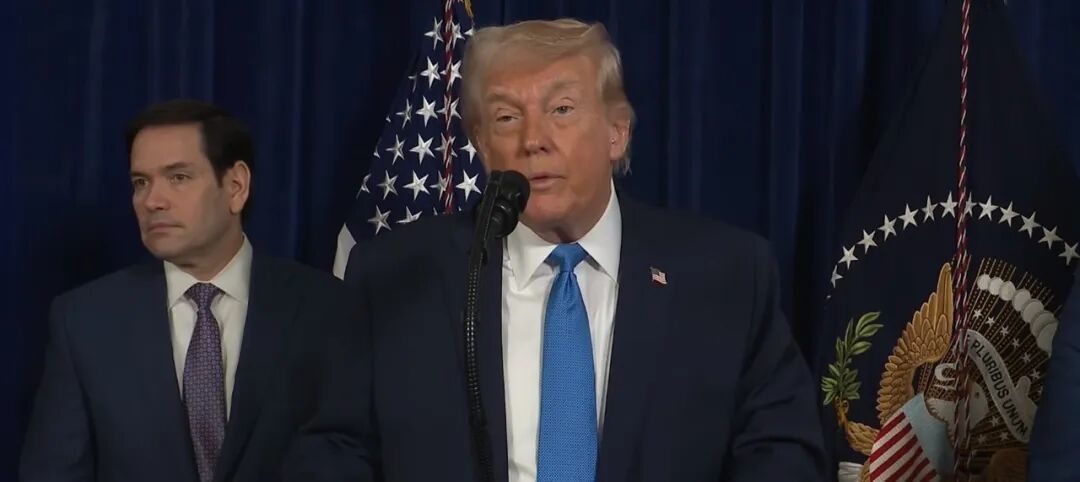
新闻调查|委内瑞拉动荡背后的华尔街“资本账”
Sou Hu Cai Jing· 2026-01-08 12:03
Core Viewpoint - The article discusses the involvement of Wall Street capital in the turmoil of Venezuela, highlighting how U.S. government actions, influenced by financial interests, aim to control Venezuela's oil resources for profit [1]. Lobbying Interference - Wall Street investors have been eager to exploit Venezuelan assets, particularly during Trump's second term, advocating for favorable conditions for U.S. businesses to operate in Venezuela's supply chain [2]. - Influential investors have successfully lobbied the U.S. government, impacting White House decisions regarding Venezuela [3]. Financial Gains - The potential financial benefits from intervening in Venezuela are significant, with predictions that if the Venezuelan president is replaced, bond prices could rise by up to 60% [4]. - Following U.S. military actions, Venezuelan bondholders gained approximately $4 billion in a single day, with expectations of further profits from potential debt restructuring [4]. Oil Interests - The U.S. military intervention has shifted Venezuela's perception from an investment risk to an opportunity, attracting major business interests, including Chevron, which is negotiating to expand its operations in Venezuela [5]. - Hedge funds are actively seeking opportunities in Venezuela, with firms like Elliott Management poised to benefit from U.S. government commitments to the Venezuelan oil sector [5]. Control Over Oil Resources - The U.S. has implemented measures to block Venezuelan oil circulation while simultaneously seeking to control its sales, with U.S. officials stating that oil revenues will be managed by the U.S. government [6]. - The U.S. strategy involves not only military intervention but also financial manipulation to ensure that Venezuelan oil sales align with U.S. interests, effectively creating a closed loop of profit for Wall Street capital [6].