对冲基金

Search documents
另类投资简报 | 黑石加入日本私人财富市场争夺战;中东冲突后,新西兰市场成风向标?
彭博Bloomberg· 2026-03-23 06:05
Market Overview - The Bloomberg Hedge Fund Index recorded a preliminary increase of 0.8% last month, with event-driven hedge funds leading the performance. Year-to-date, hedge funds have risen by 3.4%, with macro strategy funds showing the highest growth at 5.6% [4]. Private Equity Market Review - Blackstone has launched a large-scale media campaign in Japan, targeting the private wealth market, which is seen as having significant potential outside the U.S. Competitors like EQT AB and KKR & Co. are also pushing for high-net-worth individuals to allocate more funds to private equity and private credit [4]. Transaction Highlights - KKR is set to acquire a majority stake in XCL Education Holdings Pte, indicating ongoing investment activity in the education sector [9]. Player Dynamics - Dymon Asia Capital and other institutions are accelerating their talent and strategy deployment in Asia, reflecting a strategic focus on the region [9]. Fund Growth - Qube Research & Technologies (QRT) has seen its China long-only equity fund grow over tenfold in the past year, with assets increasing from approximately $190 million to over $2 billion. This fund is currently the only one among QRT's four funds still open to new capital [4].


如何走出中国本土的“桥水”之路?5000字长文对话联海资产!
私募排排网· 2026-03-16 07:00
Core Viewpoint - Bridgewater's flagship fund is experiencing record returns in 2025, with four products ranking in the top ten of global hedge fund performance, highlighting its strong position in the macro hedge fund sector [2] Group 1: Local Quantitative Macro Strategy Representative - Beijing Xingpeng Lianhai Private Fund Management Co., Ltd. (Lianhai Asset) is a notable local macro strategy private equity firm established in April 2016, focusing on a "macro + quantitative" core positioning [4] - Lianhai Asset has developed a comprehensive investment system covering multiple assets and strategies, adapting Bridgewater's "All Weather Strategy" to create a unique macro hedging methodology tailored to the Chinese market [4] - The firm has won multiple industry awards, including the "Three-Year Macro Hedge Strategy Golden Bull Award" for three consecutive years from 2021 to 2023, and the "Annual Macro Hedge Strategy Golden Bull Award" in 2024 [4] Group 2: Localization of Bridgewater's Macro Strategy - Lianhai Asset has localized Bridgewater's framework by upgrading from a "four-quadrant" model to an "eight-scenario" model, incorporating a "monetary-credit" dimension to better capture the Chinese liquidity premium [11] - The firm identifies "atypical scenarios" such as "liquidity traps" and "strong production, weak consumption" to address traditional model limitations during periods of industrial transformation or policy shifts [12] - Lianhai has automated defensive tools by embedding options for tail risk protection, enhancing the strategy's resilience against high volatility and policy-driven risks in the Chinese market [13] Group 3: Macro Scenario Model and Asset Performance - The core logic of Lianhai's macro scenario model is that asset pricing reflects macro factors, aiming to achieve optimal risk asset allocation through quantification [15] - The model divides the macro environment into economic and liquidity cycles, with the economic cycle determining long-term odds and the liquidity cycle influencing short-term performance [16][17] - Lianhai's eight scenarios include recovery, overheating, stagflation, and recession, each with distinct asset performance characteristics, allowing for robust asset selection in varying macro conditions [19][20][21][22] Group 4: Advantages of Lianhai's Quantitative Macro Strategy - Lianhai's strategy covers both "typical and atypical" scenarios, enhancing model robustness in complex environments [25] - The strategy employs a "Beta + Alpha" dual-engine approach, integrating self-developed products to support the main system's configuration [26] - The model is capable of self-iteration, quickly adjusting weights in response to changing market conditions, ensuring continuous evolution of the strategy [27] Group 5: Current Asset Allocation Recommendations - Lianhai Asset is optimistic about trading opportunities in commodities, particularly precious metals, non-ferrous metals, and energy chemicals, while also anticipating a dual year of Beta and Alpha returns due to broad liquidity expansion [39][40] - The firm emphasizes the need for a reasonable allocation strategy to dynamically diversify risks and seize short-term trading opportunities amid significant economic and political uncertainties [40] Group 6: Future of Quantitative Macro Strategies in China - The development of quantitative macro strategies in China is still in its early stages compared to mature markets, with a growing recognition of their potential [42] - The transition from "Alpha dividends" to "Beta allocation" is expected as the market matures, with Lianhai positioned as a leader in this evolving landscape [42]

格林期货早盘提示:全球经济-20260313
格林大华期货· 2026-03-13 01:16
Report Industry Investment Rating - The investment rating for the global economy in the macro and financial sector is "downward" [1] Core Viewpoints of the Report - The release of 400 million barrels of strategic petroleum reserves by the IEA may not effectively fill the supply gap caused by the obstruction of the Strait of Hormuz, and high oil prices will impact the global economy [1][2][3] - The geopolitical situation in the Middle East is tense, with no sign of a cease - fire negotiation, and the situation may further escalate [1] - The global financial market is under pressure. Hedge funds are suffering heavy losses, and there are risks of a systemic crisis in the insurance industry and an unexpected default wave in the credit cycle [2][1] - The global capital allocation logic is being re - structured, and there may be a trend of "fleeing from US assets" [2][1] - The US's return to the Monroe Doctrine will have a profound impact on major asset classes, and the global economy has been in a downward trend since the end of 2025 [3] Summary by Related Catalogs Global Economic Logic - The IEA's release of strategic petroleum reserves may not meet the supply gap. The end of the war in Iran depends on certain conditions. The private credit crisis in the insurance industry is severe, and there are risks of a systemic crisis. Hedge funds are selling US stocks rapidly, and there are warnings about a credit cycle reversal and a "capital war." There may be a trend of "fleeing from US assets" in the future, and consumer K - type differentiation is intensifying [2] Impact of US Policy and Market Situation - The US's return to the Monroe Doctrine will have a far - reaching impact on major asset classes. High oil prices will impact the global economy. The Nasdaq futures have broken through support levels, and the decline in US stocks may affect US consumption. The global economy has been in a downward trend since the end of 2025 [3] Important News - The IEA releases 400 million barrels of strategic petroleum reserves, with the US contributing 172 million barrels. The actual release speed may be slow, and the supply gap in the Strait of Hormuz is large [1][2][3] - Iran demands certain conditions for ending the war and refuses to negotiate as long as Israel exists [1] - The US will release strategic petroleum reserves over about 120 days, but its actual sustainable release capacity is limited [1] - Iran warns of a $200/barrel oil price and will implement a "serial strike" strategy [1] - The Trump administration's war against Iran lacks clear goals and exit strategies [1] - Global hedge funds are suffering heavy losses, and stock positions are more vulnerable [1] - Global fund managers are adopting a "avoiding the US" strategy, and global capital allocation is being re - structured [1]
证监会、廉政公署「导火线」行动打击内幕交易与贪污:中信证券、国泰君安国际、对冲基金无极资本八名...
Xin Lang Cai Jing· 2026-03-12 23:12
Core Insights - The Hong Kong Securities and Futures Commission (SFC) and the Independent Commission Against Corruption (ICAC) announced a joint operation named "Fuse" to investigate insider trading and corruption involving two licensed brokers and a hedge fund [3]. Group 1: Investigation Details - The joint operation will take place on March 10 and 11, 2026, with searches conducted at 14 locations, including the offices of the licensed institutions and residences of the arrested individuals [3]. - Eight individuals, including six men and two women aged between 35 and 60, were arrested, comprising executives from the licensed brokers and the hedge fund, along with an intermediary [3]. Group 2: Allegations and Financial Impact - The SFC and ICAC suspect that executives from the two licensed brokers accepted over HKD 4 million in bribes from the hedge fund owner, leaking confidential information about a stock placement before it was publicly disclosed [3]. - The hedge fund allegedly profited approximately HKD 315 million by short-selling related stocks and entering into short stock swap contracts based on the leaked information [3]. Group 3: Involved Entities - While the SFC and ICAC did not specify the names of the licensed brokers and hedge fund, market sources indicated that the offices of CITIC Securities (6030.HK), Guotai Junan International (1788.HK), and the hedge fund Infini Capital were searched [4]. - Guotai Junan International confirmed the SFC and ICAC's visit and the arrest of an employee, believed to be Samuel Pan, the head of ECM [4]. Group 4: Infini Capital Background - Infini Capital, founded by Tony Chin in 2015, initially focused on proprietary trading and obtained an asset management license from the SFC in 2019 [5]. - The hedge fund gained significant recognition in 2021 with a 96% annual return, ranking at the top of Asian hedge funds [5]. - Infini Capital established a subsidiary in Abu Dhabi in 2024 and received a financial license from the Abu Dhabi Global Market Financial Services Regulatory Authority in February 2025 [5].

实锤!两家在港中资券商高管被捕 疑似与对冲基金联手搞内幕交易
经济观察报· 2026-03-12 12:57
Core Viewpoint - The Hong Kong Securities and Futures Commission (SFC) has confirmed that a recent crackdown was initiated due to suspicions of bribery involving over 4 million HKD, where executives from a licensed securities firm allegedly leaked confidential information regarding stock placements of multiple Hong Kong-listed companies [1][4]. Group 1: Investigation Details - The SFC and the Independent Commission Against Corruption (ICAC) conducted a joint operation named "Fuse" from March 10 to 11, targeting insider trading and corruption [2]. - Eight individuals were arrested, including executives from two licensed securities firms and one hedge fund management company, although specific names were not disclosed [2][3]. - One of the arrested individuals was identified as the ECM (Equity Capital Markets) head of Guotai Junan Securities' Hong Kong subsidiary, who was detained on March 10 [2][3]. Group 2: Financial Implications - The hedge fund involved, Infini Capital, allegedly profited approximately 315 million HKD from short positions established based on leaked information prior to stock placement announcements [4]. - Guotai Junan Hong Kong participated in 11 IPOs from 2025 to March 11, 2026, with Infini Capital being a cornerstone investor in four of these IPO projects [4]. Group 3: Market Context - The year 2025 is projected to be significant for Hong Kong IPOs, with 117 new stocks listed and total fundraising reaching 286.9 billion HKD, marking a decrease in the first-day listing failure rate to approximately 27.35% [5]. - The SFC's actions stemmed from preliminary investigations into insider trading, which revealed potential corruption, leading to the case being referred to the ICAC for further investigation [5].

刚刚,集体杀跌!阿曼,突传重磅!CTA冲击波来袭
券商中国· 2026-03-12 04:00
Core Viewpoint - The article highlights the significant impact of rising oil prices on global markets, particularly in the Asia-Pacific region, where stock indices have experienced notable declines due to fears surrounding the ongoing Middle East conflict and its implications for energy costs [1][3][4]. Group 1: Oil Price Surge - Brent crude oil futures surged to $101.59 per barrel, marking a daily increase of 10% [1] - Oman has evacuated ships from the Mina al-Fahal oil terminal as a precautionary measure, which is crucial for oil exports [6] - The Mina al-Fahal port exports approximately 1 million barrels of Omani crude oil daily [6] Group 2: Market Reactions - Major stock indices in Asia, including the Nikkei 225 and the TOPIX, fell by 1.5% and 1.6% respectively, while the Hang Seng Index also saw a decline of over 1% [1][3] - European stock futures, including the Stoxx 50 and DAX indices, dropped by 1.1% and over 1.2% respectively [3] - U.S. stock futures fell by more than 1%, with the Russell 2000 index declining nearly 2.5% [3] Group 3: Hedge Fund Performance - Hedge funds are experiencing their largest drawdown since April 2025, attributed to crowded trades being unwound amid market volatility [3] - Quantitative funds, particularly those employing commodity trading advisor strategies, have faced significant losses since the outbreak of the Israel-Iran conflict [3] Group 4: Long-term Concerns - The market is increasingly worried about the potential for a prolonged conflict in the Middle East, which could alter asset pricing dynamics [4] - Traditional safe-haven assets like U.S. Treasuries and the dollar may be undermined if energy costs rise and U.S. fiscal constraints weaken [4] - Assets such as gold, energy commodities, and non-dollar currencies may gain new premiums due to their perceived stability [4]
对冲基金遭遇去年4月以来“最大回撤”,尤其是欧洲和韩国持仓过高的“股票多空策略”
美股IPO· 2026-03-12 00:38
Core Viewpoint - Global hedge funds are experiencing their most severe losses since last year's tariff turmoil, primarily due to concentrated liquidations in crowded trades [2][3][4]. Group 1: Hedge Fund Performance - According to JPMorgan, commodity trading advisors (CTAs) have faced their worst performance period in nearly a year since the outbreak of conflict in the Middle East, with losses nearing 4% since March [4][6]. - Major hedge funds like Citadel, Millennium, and Point72 collectively suffered significant losses, with the worst-hit losing up to $1.5 billion in a single week, nearly erasing their year-to-date profits [4][6]. - The ongoing Middle Eastern conflict has led to a substantial evaporation of global stock market value, amounting to trillions of dollars, and has pushed oil prices above $100 per barrel for the first time since 2022 [4]. Group 2: Market Sentiment and Positioning - The HFR data indicates that systematic diversified CTA funds have lost nearly 4% since March, while another index compiled by Société Générale shows a decline exceeding 2% for the same strategy this month [6]. - The HFRX equity hedge index, which tracks the performance of long-short equity strategies, is expected to decline by 3% this month, reflecting significant pressure on stock positions [6]. - As of the week ending March 6, hedge funds increased their short positions on stock ETFs by 8.3%, indicating a rising risk-averse sentiment in the market [6].

刚刚,集体跳水!伊朗宣布:将实施“连环打击”!七国集团,联合声明
券商中国· 2026-03-11 13:54
Core Viewpoint - The situation in Iran remains tense, with escalating military actions and significant impacts on global markets, particularly in the energy sector [1][2][3]. Group 1: Iran's Military Actions - Iran has shifted from a "tit-for-tat" response to a "chain strike" strategy, targeting any vessels associated with the U.S., Israel, and their partners [3][4]. - The Iranian Revolutionary Guard has initiated military operations against U.S. targets in the Gulf region, marking a significant escalation in hostilities [3][5]. - Since February 28, the Iranian resistance groups have conducted 291 attacks, resulting in 13 U.S. personnel deaths and numerous injuries [6][7]. Group 2: Market Reactions - European stock markets experienced significant declines, with the DAX30 index dropping nearly 2% amid fears of escalating conflict affecting energy supplies [1][11]. - The G7 energy ministers have expressed support for utilizing strategic reserves to stabilize energy markets in response to the crisis [2][10]. - Major hedge funds have reported substantial losses due to market volatility, with some funds losing hundreds of millions of dollars in a single week [12][14]. Group 3: Economic Implications - The ongoing conflict is expected to exacerbate inflationary pressures in Europe, prompting the European Central Bank to consider interest rate hikes [10][11]. - The volatility in energy prices, with oil nearing $120 per barrel, has raised concerns about the broader economic impact and potential for a recession [14].
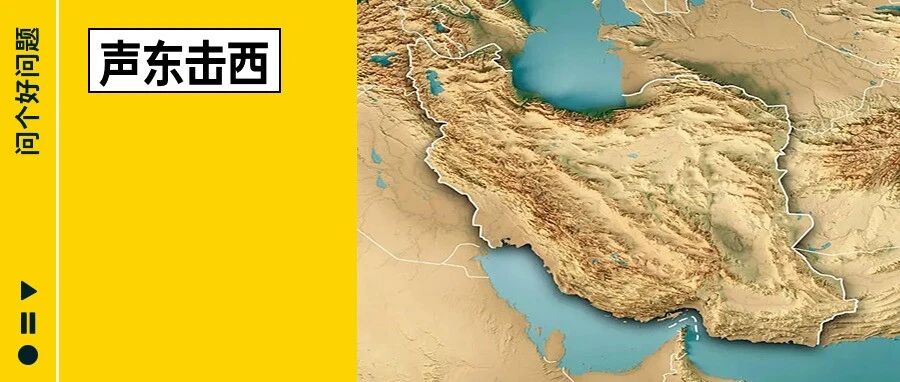
连线迪拜:美伊升级后的海湾困境、战火外溢和秩序挑战|声东击西
声动活泼· 2026-03-03 10:47
Group 1 - The article discusses the military conflict initiated by the US and Israel against Iran on February 28, which escalated tensions in the Gulf region, affecting multiple countries including the UAE, Qatar, Bahrain, Kuwait, and Saudi Arabia [3][4][13] - The conflict has led to significant disruptions, including the closure of airspace and the cancellation of over 3,000 flights, highlighting the immediate impact on regional travel and logistics [9][24] - The article emphasizes the strategic military presence of the US in the Middle East, with estimates of 25 to 30 military facilities, making them legitimate targets for Iranian retaliation [13][14] Group 2 - Gulf countries are facing a dilemma between relying on external security guarantees from the US and managing their own defense capabilities, with smaller nations heavily dependent on US military support [19][20] - The article notes that the recent conflict has disrupted the economic stability of Gulf nations, which have been focusing on economic diversification and investment, raising concerns about the potential long-term impacts on foreign investment [20][25] - The geopolitical risks have increased for Chinese enterprises operating in the region, with a significant percentage of businesses expressing concerns about the impact of geopolitical tensions on their operations [25][26]
当金价达到8000美元时,美联储资产欠款表才能重新平衡,这是拯救美国金融的唯一出路
Sou Hu Cai Jing· 2026-02-28 04:16
Core Viewpoint - A hedge fund manager, Daniel Oliver, argues that gold prices must rise to $8,000 per ounce for the U.S. financial system to stabilize, based on historical data and the current state of the Federal Reserve's balance sheet [1][3] Group 1: Federal Reserve and National Debt - The Federal Reserve's balance sheet peaked at nearly $9 trillion due to multiple rounds of quantitative easing in response to the 2008 financial crisis and the 2020 pandemic [3] - The U.S. national debt has surpassed $38.5 trillion, with projections indicating that by 2036, the federal government will spend $2.1 trillion annually just to pay interest on this debt, more than double the current amount [3] - Oliver suggests that the actual debt burden is significantly higher when considering future liabilities like Medicare and Social Security, indicating that conventional repayment methods are no longer viable [3][5] Group 2: Private Credit Market Risks - Oliver highlights that the current financial system's risks have shifted to the private credit market, particularly in over-leveraged private equity, differing from the 2008 crisis which was primarily housing-related [5] - UBS analysts warn that rapid advancements in artificial intelligence could disrupt traditional business models, potentially leading to a 15% default rate in the private credit market, equating to hundreds of billions in unrecoverable loans [6] Group 3: Gold Market Dynamics - The physical precious metals market is undergoing structural changes, with manufacturers hoarding silver due to supply chain concerns, reducing the available supply in the market [6][8] - Banks are tightening credit conditions for gold refineries, requiring more collateral, which limits the processing of physical gold and creates bottlenecks in the supply chain [8] - Oliver calculates that to maintain the historical "gold ratio" of one-third of central bank reserves to total assets, gold would need to reach approximately $8,000 per ounce, and $12,000 per ounce to achieve a one-half ratio [8][9] Group 4: Current Gold Price Trends - Recent spot gold prices have been rising, reaching around $5,187 per ounce as of February 27, 2026, with market participants closely monitoring Federal Reserve monetary policy and signs of stress in the private credit market [11] - Gold is evolving from a mere investment hedge to a "pressure gauge" reflecting the scale of debt and credit in the financial system, with Oliver's $8,000 price point serving as a significant indicator of underlying pressures [11]