
双重上市机制

Search documents
新加坡交易所,拟寻求吸引更多中国和东南亚公司在新加坡上市
Sou Hu Cai Jing· 2026-02-08 14:11
Group 1 - The Singapore Exchange (SGX) is actively seeking to attract more companies from China and Southeast Asia to list in Singapore, aiming to boost its IPO market [2] - Pol de Win, the global sales and issuance head at SGX, expressed optimism about a new dual listing mechanism in collaboration with Nasdaq, set to launch mid-year, which is expected to draw more high-growth companies [2] - There has been an increase in planned transactions compared to six months ago, with new deals entering the preparation stage at a faster pace [2] Group 2 - According to Bloomberg data, the total amount raised from IPOs last year reached $1.9 billion, marking a six-year high, indicating a market recovery [2]

新加坡交易所力推中国及东盟企业上市以增加项目储备
Huan Qiu Wang· 2026-02-06 02:37
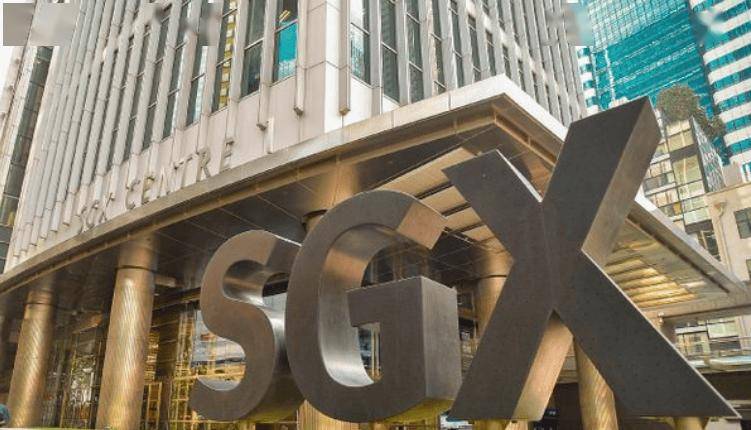
Core Insights - Singapore Exchange (SGX) is actively seeking to attract more companies from China and Southeast Asia to list in Singapore to boost its IPO momentum [1][3] - The exchange is optimistic about the upcoming dual listing mechanism with Nasdaq, which is expected to draw more high-growth companies [3] - SGX's revenue for the first half of the year fell below analyst expectations, leading to a decline in its stock price [3] Group 1 - Pol de Win, the global head of sales and underwriting, noted that the current listing channels are more accessible than six months ago, with new projects accelerating [3] - Last year, total listing proceeds in Singapore reached $1.9 billion, marking a six-year high, indicating a market recovery [3] - Companies like Patsnap and Boustead Singapore Ltd. are considering or planning to list in Singapore, signaling further progress in the stock market recovery [3][4] Group 2 - SGX reported a net profit of 342.7 million Singapore dollars for the six months ending December 31, a year-on-year increase of 0.8% [4] - The average daily trading volume increased by 20% year-on-year to 1.51 billion Singapore dollars [4] - Despite the growth, SGX is lagging behind regional competitors like Hong Kong and India in terms of IPOs, with Chinese tech companies favoring Hong Kong for listings [4]

星股观察社|新美双重上市机制再推进
Sou Hu Cai Jing· 2026-01-12 03:43
Core Viewpoint - The Singapore Financial Management Authority plans to revise its regulatory framework to enhance the attractiveness of the dual listing mechanism with Nasdaq, focusing on providing new listing options for high-quality growth companies [1][2]. Group 1: Global Listing Board Design - The Global Listing Board allows companies to list simultaneously in Singapore and the US using a single prospectus, targeting firms with a minimum market capitalization of SGD 2 billion [2]. - The regulatory adjustments aim to reduce friction in the listing process, including allowing a single prospectus, aligning listing timelines with US standards, and introducing safe harbor provisions for forward-looking statements [2]. Group 2: Professional Institutions' Perspectives - Accounting firms and asset management institutions find the new mechanism attractive, as it reduces regulatory costs and enhances Singapore's competitiveness as a secondary listing venue [3]. - The revised framework addresses structural issues that have historically made it difficult for Singapore to attract large enterprises [3]. Group 3: Liquidity Challenges - Liquidity remains a core challenge for the Global Listing Board, with concerns that trading volumes may remain concentrated in the US market, leading to low trading activity for shares listed in Singapore [4]. - Local investors show a preference for trading directly in the US market, which could hinder the development of trading depth in Singapore [4]. Group 4: Comparison with Hong Kong Market - Hong Kong has been the primary listing venue for high-growth Chinese companies, with recent IPO fundraising significantly surpassing that of Singapore [6]. - The Global Listing Board is not expected to pose a substantial challenge to the Hong Kong Stock Exchange in the short term, although it remains attractive for companies looking to establish a regional headquarters in Singapore [6]. Group 5: Legal and Compliance Considerations - Companies listing in both Singapore and the US must navigate different legal systems, time zones, and investor structures, which can introduce uncertainties despite regulatory alignment [7]. - Ongoing cross-border compliance costs will be a critical factor for companies considering participation in the Global Listing Board [7]. Group 6: Structural Improvements and Market Ecosystem - The long-term success of the Global Listing Board will depend on the overall development of the capital market ecosystem, not just regulatory alignment [8]. - A market environment characterized by reasonable valuations, active trading, and sufficient liquidity is essential for attracting new issuers [8].
新交所与纳斯达克联手推出双重上市机制
Sou Hu Cai Jing· 2025-11-21 06:25
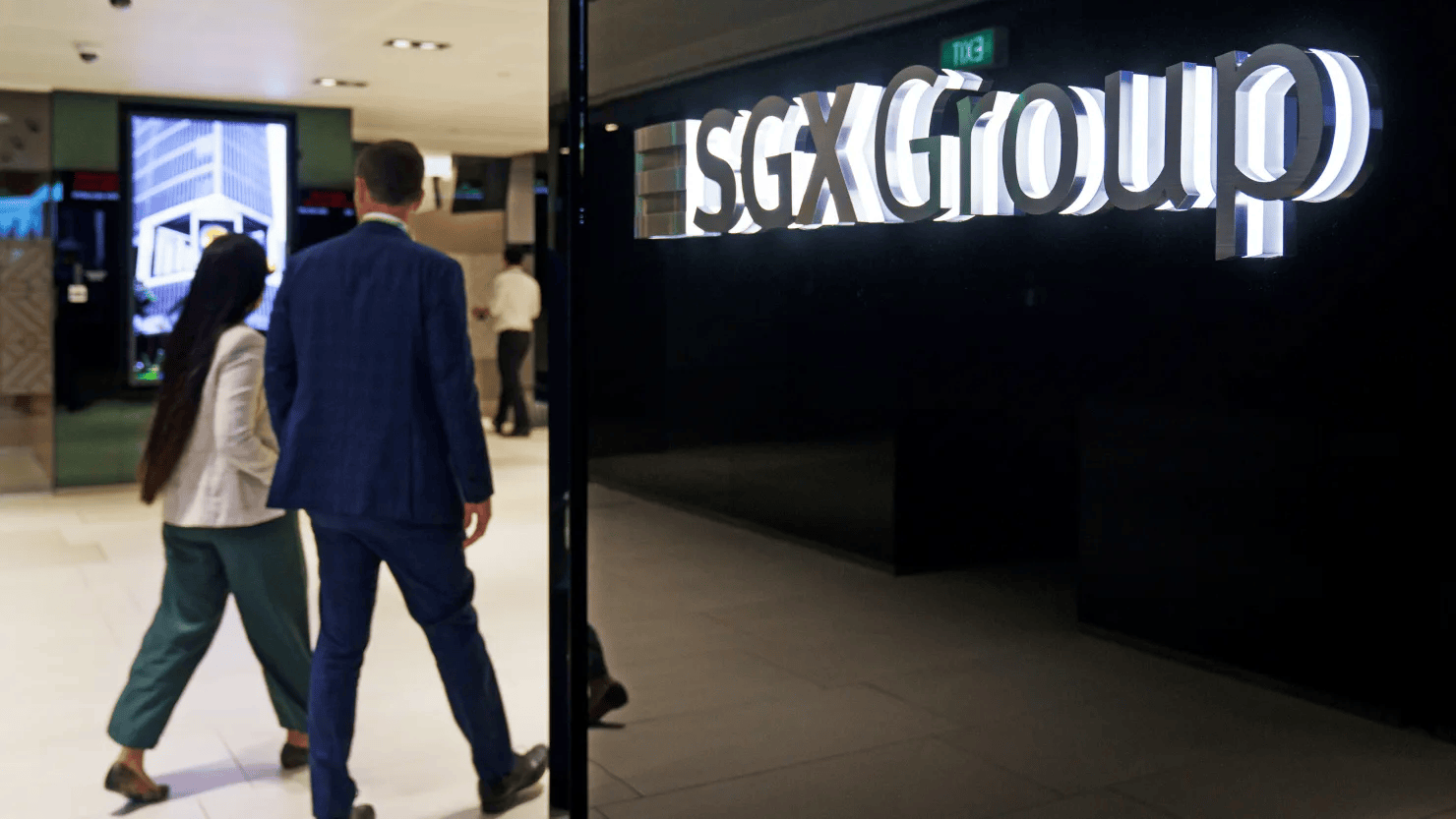
Group 1 - The core initiative involves a partnership between Singapore Exchange (SGX) and Nasdaq to launch a "Global Listing Board" aimed at simplifying the dual listing process for companies with a market capitalization exceeding 2 billion SGD (approximately 1.5 billion USD) [1][3] - The new framework will significantly streamline the listing process, allowing eligible companies to submit a single set of listing documents through a unified review process to meet the regulatory requirements of both exchanges by mid-2026 [3] - The Monetary Authority of Singapore has announced several measures to enhance market competitiveness, including a "Value Unlock" program with a budget of 30 million SGD to assist companies in improving their strategic, capital optimization, and investor relations capabilities [3] Group 2 - The backdrop for the new framework is Singapore's struggle as a major financial hub in Asia, with insufficient market liquidity leading several local tech companies, such as Grab and Sea Limited, to opt for direct listings in the US [4] - As of early November, SGX's mainboard has recorded only 5 IPOs this year, which is the best performance in recent years but still falls short compared to competitors like the Hong Kong Stock Exchange [4] - The Hong Kong stock market has seen an average daily trading volume exceeding 32 billion USD this year, doubling from the previous year, with 80 IPOs raising over 26 billion USD in the first ten months, ranking first globally in IPO fundraising [4]

“H+A”新政下,谁将抢到港股深市IPO“头啖汤”?
Di Yi Cai Jing· 2025-06-12 13:22
Group 1 - The "H+A" policy allows eligible Hong Kong-listed companies to issue depositary receipts on the Shenzhen Stock Exchange, specifically targeting companies registered in the Guangdong-Hong Kong-Macao Greater Bay Area [1] - Currently, only 23 Hong Kong-listed companies meet the criteria of being registered in mainland China and located in the Greater Bay Area, indicating a limited number of potential candidates for this policy [1][2] - Among the 23 eligible companies, notable ones include Sunshine Insurance (6963.HK), UBTECH (9880.HK), and Wanwu Cloud (2602.HK), with market capitalizations of 38.76 billion HKD, 36.23 billion HKD, and 24.84 billion HKD respectively [2][3] Group 2 - The industries represented by these companies primarily include real estate and finance, with specific examples such as Guangzhou Rural Commercial Bank (1551.HK) and Wanwu Cloud (2602.HK) [3] - The return of these companies to the A-share market faces challenges, particularly in the finance and real estate sectors, where recent attempts to list have stalled [3][4] - In contrast, technology companies like UBTECH (9880.HK) and others in the AI and semiconductor sectors are seen as having more potential for successful listings [3][6] Group 3 - The three highlighted technology companies are currently operating at a loss, with UBTECH projected to generate 1.305 billion RMB in revenue but incurring a loss of 1.16 billion RMB in 2024 [4] - The "H+A" policy is expected to enhance the quality of listed companies on the Shenzhen Stock Exchange and attract long-term investment by narrowing the valuation gap between H-shares and A-shares [6] - Challenges remain in the implementation of the "H+A" policy, including the need for clearer regulations, addressing valuation discrepancies, and ensuring compliance with dual disclosure standards [6]