名誉权侵权

Search documents
女子连续5天发视频向“出轨丈夫”道歉,男子所在企业通报:高飞2025年12月5日被党纪处分,现已对其停职调查
Xin Lang Cai Jing· 2026-01-17 16:38
Group 1 - The core issue revolves around a woman named Niu, who was ordered by a court to publicly apologize for defaming her husband after exposing his extramarital affair with a married colleague for five years [4][5] - Niu has been posting apology videos on Douyin (the Chinese version of TikTok) since January 12, with each video receiving over 500,000 likes, indicating significant public engagement [4][5] - The court ruling requires Niu to maintain the apology posts for at least 15 days without deleting or taking them down, emphasizing the need for the apology to match the impact of the original defamation [5][8] Group 2 - Legal experts highlight that the court's decision reflects the principle of matching responsibility with the impact of the infringement, necessitating a public apology on the same platform where the defamation occurred [8] - The content of the apology must not exceed the necessary scope, avoiding any additional disclosure of personal information or defamatory statements to prevent further legal issues [9] - Key considerations for Niu during the execution of the court's ruling include ensuring the apology's method and scope align with the original infringement, refraining from revealing personal information, and avoiding any insulting or defamatory language [9]

女子向出轨丈夫道歉视频或再侵权
Xin Lang Cai Jing· 2026-01-17 15:37
Group 1 - The core issue revolves around a woman, Niu, who publicly exposed her husband's infidelity, leading to a court ruling that required her to issue a public apology [1] - Niu's apology videos, which included personal details about her husband and his spending habits, have sparked debate on whether they constitute secondary infringement of his reputation [1] - Legal expert Fu Jian emphasized that if the apology contains defamatory statements or breaches privacy, it could lead to further legal consequences for Niu [1]
连续4天打卡道歉!河南一女子被判向出轨丈夫公开道歉15天,单条视频点赞超50万,丈夫及单位暂无回应
Xin Lang Cai Jing· 2026-01-15 17:23
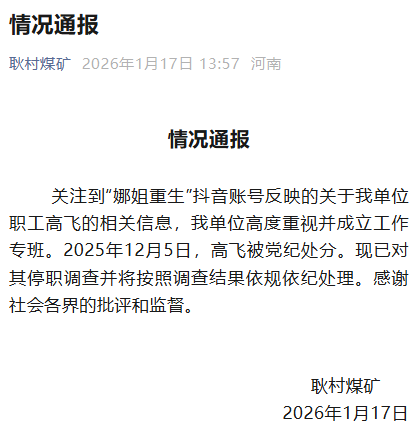
Group 1 - The topic of a woman being ordered to publicly apologize to her unfaithful husband for 15 days has gained significant attention on social media platforms, particularly Weibo [1] - A woman named Niu Na from Henan has gone viral on Douyin by posting a series of public apology videos after exposing her husband's five-year extramarital affair with a married colleague [2] - Niu Na has been ordered by the court to issue a public apology for 15 consecutive days, starting from January 12, and has already posted four videos, each receiving over 500,000 likes [2][7] Group 2 - The videos include evidence of her husband purchasing luxury items for the third party, along with the court ruling and previous defamatory content, mocking her husband for fulfilling "material and physiological needs" of the employee [2] - The court ruling mandates that Niu Na must post the apology statements on her social media accounts and keep them up for at least 15 days without deletion [7] - As of now, there has been no public response from her husband or the mentioned workplace, Gengcun Coal Mine Electromechanical Team [11]

律师解读司晓迪密集爆料:司晓迪行为已触碰多条红线
Xin Lang Cai Jing· 2026-01-03 03:48
Core Viewpoint - The actions of the individual known as @iamroosie (司晓迪) have crossed multiple legal boundaries by making false allegations against several high-profile male celebrities, leading to widespread controversy and legal implications for potential defamation and invasion of privacy [1] Legal Implications - The behavior of @iamroosie constitutes civil infringement as per the Civil Code, where fabricating false facts that damage another's reputation, even without naming them directly, can lead to claims for damages and public apologies [1] - If the allegations are severe, they may also incur administrative and criminal liabilities. The Public Security Administration Punishment Law states that fabricating facts to defame others can result in detention for 5-10 days if the circumstances are serious [1] - Should the rumors reach over 5,000 views or 500 shares, or cause severe consequences such as mental distress to the celebrities involved, it could lead to charges of defamation under the Criminal Law, with a maximum sentence of 3 years in prison [1]
网红嫉妒同行造谣“小三”致其抑郁停播,被判赔偿3万并道歉
Xin Lang Cai Jing· 2025-12-27 23:51
Core Viewpoint - The article discusses the increasing prevalence of defamation cases in the digital space, emphasizing the need for judicial guidance on protecting reputation rights in the context of consumer feedback and online interactions [3]. Group 1: Case Summaries - A consumer named Sun posted a negative review about a cleaning service on social media, which the company claimed constituted defamation. However, the court ruled that Sun's comments were based on personal experience and factual evidence, thus not constituting defamation [4][5]. - In another case, a consumer named Lv made derogatory comments about a smart lock service, which the court found to be defamatory due to the use of insulting language and the lack of factual basis. Lv was ordered to delete the post and apologize publicly [6][7]. - A dispute between neighbors escalated when Zhang made insulting remarks in a community group, leading to a court ruling that Zhang's comments constituted defamation, resulting in a requirement to publicly apologize [8][9]. - A case involving Li, who made malicious comments about Wang in a widely viewed advertisement, resulted in a court ruling that Li's actions constituted defamation, leading to a significant compensation order for Wang due to the severe impact on her mental health [10][11][12]. Group 2: Legal Framework - The article references the Civil Code, which stipulates that individuals who infringe on personal rights must take responsibility to restore reputation and apologize, with the extent of responsibility proportional to the impact of their actions [13]. - It also highlights the criteria for determining compensation for mental damages, including the severity of the infringement and its consequences [14].

网上言论不能越线 随意宣泄依法担责
Xin Lang Cai Jing· 2025-12-27 18:42
Core Viewpoint - The article discusses the increasing prevalence of defamation cases in the digital space, emphasizing the need for judicial guidance on protecting reputation rights in the context of online comments and reviews [3]. Group 1: Case Summaries - A consumer's objective evaluation of a service, despite being negative, does not constitute defamation if it is based on true experiences and lacks insulting language [4]. - A customer who posted exaggerated and insulting comments about a service provider was found to have committed defamation, leading to a court order for the removal of the post and a public apology [5][6]. - In a neighborhood dispute, a person used derogatory language in a group chat, resulting in a court ruling that mandated an apology due to the defamatory nature of the comments [7]. - A case involving malicious comments made by an individual out of jealousy led to a significant compensation ruling for the victim, highlighting the impact of online defamation on mental health and reputation [8]. Group 2: Legal Framework - The Civil Code stipulates that individuals who infringe on personal rights must take responsibility to eliminate the impact, restore reputation, and apologize, with the extent of responsibility corresponding to the nature of the act and its impact [9]. - The Supreme Court's regulations clarify that online users or service providers can be held liable for defamation if they publish misleading information or fail to correct previously published false information [10][11].

村支书模仿雷军卖小米,视频下架何以有争议
Nan Fang Du Shi Bao· 2025-12-14 00:30
Core Viewpoint - The incident involving the village secretary from Tengjia Town, Rongcheng City, Shandong Province, selling millet online and being accused by Xiaomi of "defaming" highlights the tension between individual creativity and corporate rights in the digital space [2][3]. Group 1: Incident Overview - The village secretary used a style mimicking Xiaomi's CEO Lei Jun to promote local millet, which led to a complaint from Xiaomi regarding "malicious imitation" and defamation [2]. - After the complaint, the village secretary released an apology video expressing frustration over the inability to use the term "Xiaomi," indicating a perceived overreach by the company [2]. Group 2: Legal and Platform Implications - The key issue in determining whether the village secretary's actions constituted defamation revolves around whether there was any insulting or derogatory behavior that caused tangible harm to Xiaomi [3]. - Many similar disputes typically do not escalate to court but are resolved through platform mediation, which may not adequately clarify the standards for such complaints [3][4]. Group 3: Need for Clear Standards - Xiaomi's complaints about imitation videos are understandable, but there is a pressing need for platforms to establish clear, fair, and transparent standards for handling infringement disputes to maintain credibility [4]. - The current approach of platforms, which often leads to content being taken down without thorough investigation, risks alienating both companies and individuals involved in such disputes [4].

被辞退后网上发帖,这样“吐槽”算不算侵权?
Ren Min Wang· 2025-12-09 00:59
Core Viewpoint - The case revolves around a defamation dispute where a former employee, He, claimed wrongful termination and shared his experiences on social media, leading to a lawsuit from the company for defamation. The court ruled that He did not infringe on the company's reputation as his statements had a factual basis and were not malicious [5][8]. Group 1: Employment and Termination Details - He was hired by the company on September 20, 2023, with a six-month probation period, and was evaluated with a score of 50 out of 100, leading to non-confirmation of employment [1]. - The company officially notified He of his termination on March 15, 2024, citing failure to meet the required standards during the probation period [1][2]. Group 2: Arbitration and Legal Proceedings - He applied for arbitration on April 10, 2024, and was awarded unpaid wages of 676.5 yuan and compensation for wrongful termination amounting to 12,563.92 yuan [2]. - The company contested the arbitration decision in court, but the first-instance court upheld the arbitration ruling [2]. Group 3: Social Media Activity and Company Response - He began posting on social media on September 11, 2024, sharing documents related to his termination and arbitration, using tags like "illegal dismissal" [3][4]. - The company claimed that He’s posts contained false information that harmed its reputation and demanded the removal of the content and a public apology, along with 10,000 yuan in damages [4][8]. Group 4: Court's Ruling on Defamation - The court found that He’s statements were based on factual circumstances surrounding his termination and did not constitute defamation, as they were not made with malicious intent [5][7]. - The court noted that the company failed to provide evidence of actual damages resulting from He’s statements, leading to the dismissal of the company's claims for damages [8]. Group 5: Observations on Public Discourse - While the court ruled in favor of He, it emphasized the importance of responsible expression in public discourse, suggesting that disputes should be resolved through formal channels rather than social media [9].
一场由油罐车事件引发的纠纷:前湖北首富杠上金龙鱼
Zhong Guo Neng Yuan Wang· 2025-11-20 14:37
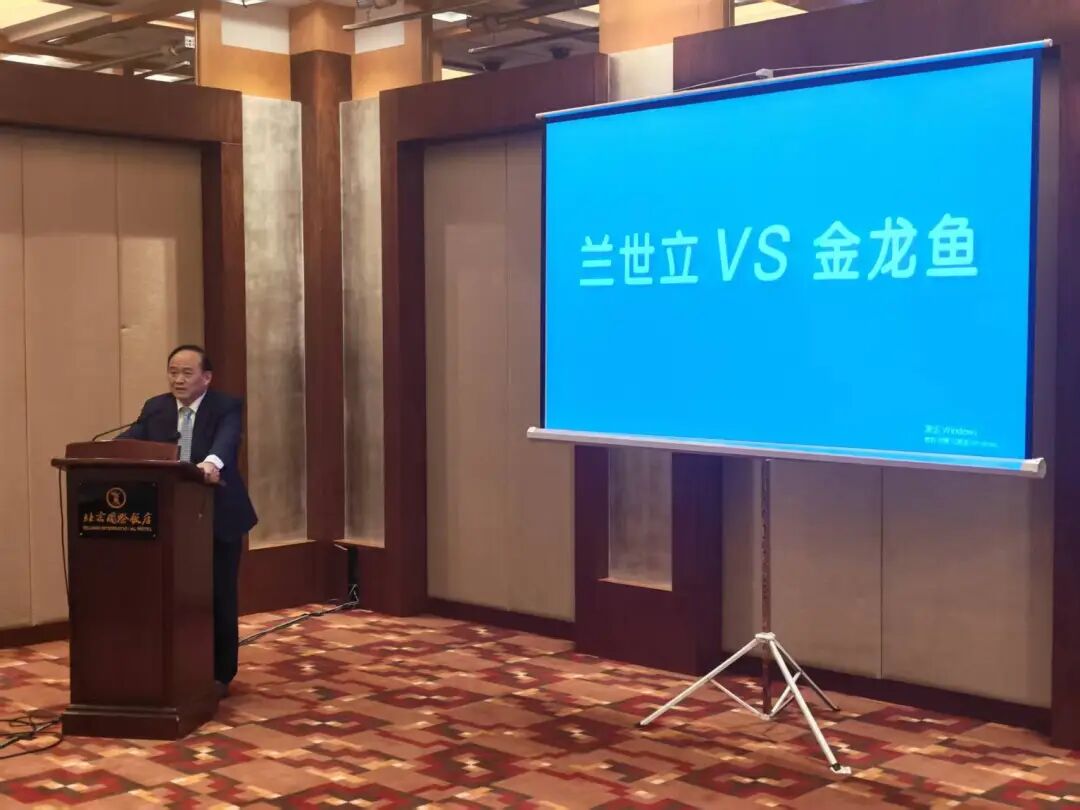
Core Viewpoint - The legal dispute between former Hubei billionaire Lan Shili and the grain and oil giant Jinlongyu, backed by Yihai Kerry, stems from allegations regarding the unsafe transportation of edible oil using uncleaned oil tankers, leading to significant reputational damage and financial implications for the companies involved [1][4][10]. Group 1: Incident Background - The controversy began with the "oil tanker mixed transport chaos" incident, where it was reported that an oil tanker transported coal-derived oil and then directly loaded edible oil without cleaning, raising public safety concerns [4][5]. - A specific tanker, identified as冀E5476W, was tracked to have loaded edible oil at a facility linked to Jinlongyu after transporting coal-derived oil [4][6]. Group 2: Legal Proceedings - Yihai Kerry filed a lawsuit against Lan Shili for defamation, claiming his statements about the company's products being "toxic" and the alleged stock price drop were baseless and damaging to their brand reputation [8][10]. - The Shanghai court ruled in favor of Yihai Kerry, ordering Lan Shili to apologize publicly and pay damages, which he contested in a subsequent appeal that was also rejected [10][15]. Group 3: Regulatory Implications - The incident prompted the State Council's Food Safety Office to take the matter seriously, leading to a joint investigation into the transportation of edible oil and subsequent regulatory reforms [5][11]. - Proposed amendments to the Food Safety Law include stricter licensing requirements for the transportation of liquid food products, with penalties for violations [11]. Group 4: Ongoing Disputes - Following the court's ruling, Lan Shili claimed that Yihai Kerry continued to pursue legal action despite the settlement, leading to the freezing of his bank accounts and further complicating the legal situation [14][15]. - Lan Shili has since sought a retrial and is pursuing additional claims against Yihai Kerry for alleged improper conduct during the enforcement of the court's decision [15].

“油罐车事件”余波未了:前湖北首富和金龙鱼“打”起来了
Feng Huang Wang Cai Jing· 2025-11-20 13:44
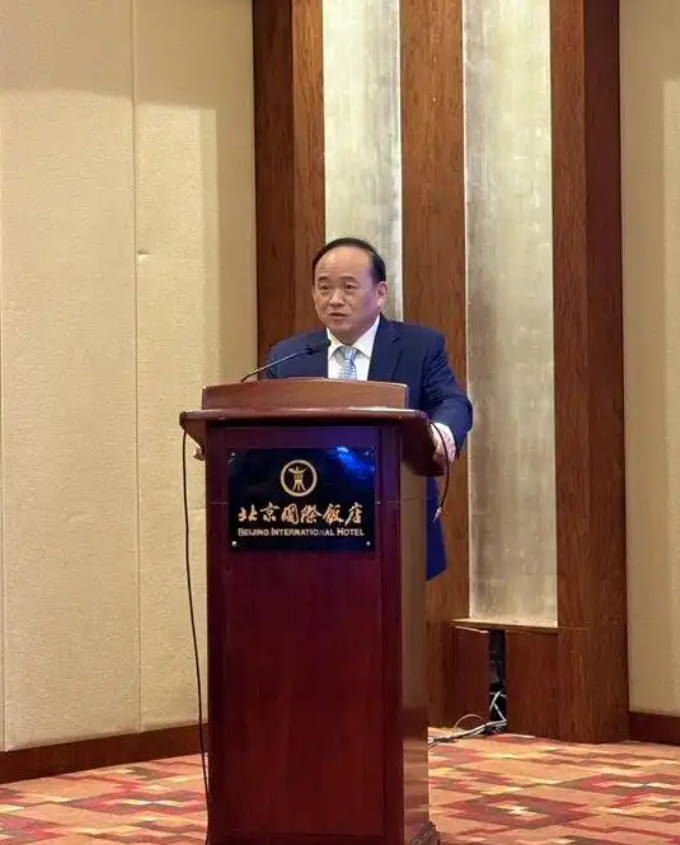
Core Viewpoint - The legal dispute between former Hubei billionaire Lan Shili and Yihai Kerry, the parent company of the grain and oil giant Jinlongyu, has escalated from a public controversy regarding food safety to a complex legal battle involving defamation and unjust enrichment claims [2][6][16]. Group 1: Incident Background - The controversy began in July 2024 when media reported on the "oil tanker mixed loading chaos," raising public concerns about the safety of edible oil transportation [7][8]. - Lan Shili released a video accusing Jinlongyu of using uncleaned oil tankers for transporting edible oil, claiming that the company's market value dropped by 650 billion [2][8]. - The video gained significant traction, amassing 46,000 likes and over 20,000 shares on Douyin by July 30, 2024 [8]. Group 2: Legal Proceedings - Yihai Kerry filed a lawsuit against Lan Shili for defamation, claiming his statements were false and damaging to their brand reputation [11][12]. - The Shanghai court ruled in favor of Yihai Kerry, ordering Lan Shili to apologize publicly and pay a total of 30,000 yuan in damages [13]. - Lan Shili appealed the decision, arguing that he was exercising his right to express concerns about a public issue, but the appeal was rejected [14]. Group 3: Escalation of Dispute - Following the court's decision, a new issue arose when Lan Shili mistakenly transferred 100,000 yuan instead of the ordered 10,000 yuan to Yihai Kerry [15]. - Lan Shili claimed that Yihai Kerry did not inform the court about receiving the payment and instead sought to freeze his bank account, leading to further legal action from his side [15][16]. - The dispute has now expanded to include claims of unjust enrichment, complicating the legal battle between the two parties [16].