
启蒙运动

Search documents
李公明|一周书记:“用书籍普及政治思想”与……塑造启蒙运动的历史过程
Xin Lang Cai Jing· 2026-02-26 04:15
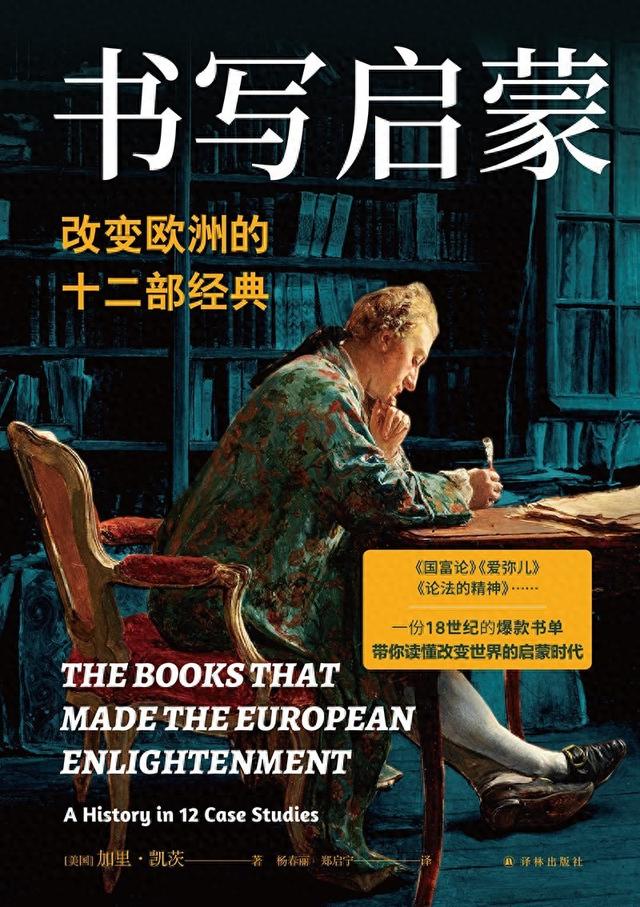
Core Argument - The book "The Books that Made the European Enlightenment" by Gary Kates explores the role of twelve classic works in shaping the Enlightenment in 18th-century Europe, emphasizing the significance of books and the book trade in this historical process [2][5][19]. Summary by Sections Overview of the Book - The translated title "Writing Enlightenment: Twelve Classics that Changed Europe" is more accessible, but the original title emphasizes the historical impact of these twelve books on the Enlightenment [4]. - The book is structured into an introduction and twelve case studies, each analyzing a classic work's creation, publication, and reception during the Enlightenment [4][5]. Importance of Books in the Enlightenment - Kates argues that Enlightenment books were crucial not just for their popularity but because they represented the first widely read political theories in European history [5][9]. - The emergence of a critical reading public in Europe, which included both authors and publishers, was essential for the Enlightenment's development [9][10]. Historical Context and Research Methodology - Kates reviews the historiography of the Enlightenment, noting that previous scholars often focused solely on authors, neglecting the roles of readers and publishers [8][9]. - He utilizes a database of book publications from 1700 to 1800 to select twelve representative works that illustrate the development of Enlightenment thought [13]. Case Studies of Classic Works - Each chapter focuses on a specific classic, such as Fénelon's "The Adventures of Télémaque" and Montesquieu's "Persian Letters," analyzing their influence and the context of their reception [17][19]. - The case studies reveal how readers reinterpreted these works, often reshaping their meanings beyond the authors' original intentions [19][21]. The Role of Censorship and Publishing - The book discusses the complex relationship between authors, publishers, and censorship, particularly in France, where many Enlightenment works faced strict scrutiny [16][21]. - Kates highlights how censorship sometimes paradoxically increased the demand for certain works, leading to a proliferation of editions [16][21]. Conclusion and Broader Implications - Kates concludes that the Enlightenment's history is not just about elite thinkers but also involves the broader public's engagement with ideas through reading and discussion [19][23]. - The book contributes to a deeper understanding of the Enlightenment as a dynamic process shaped by various social and cultural factors, including the rise of a reading public [23].

赵茜雅|舌尖上的理性与权力:饮食如何影响国家治理?
Xin Lang Cai Jing· 2026-01-06 05:03
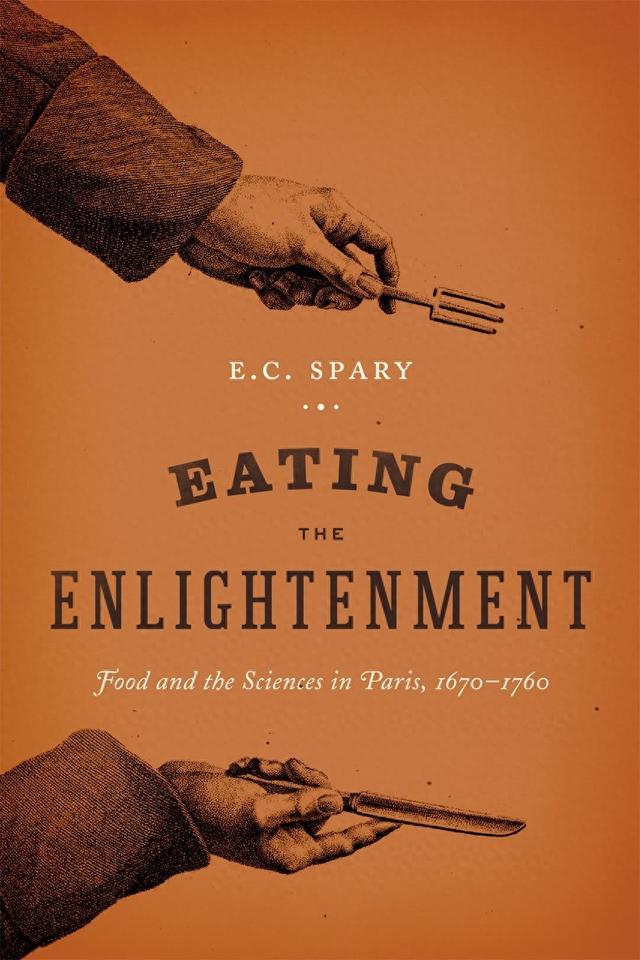
Core Perspective - French cuisine is renowned globally for its exquisite cooking methods, delicious dishes, and elegant dining etiquette, which contribute to its image as high-end gastronomy. The resistance against American fast food and Coca-Cola in France highlights the deep connection between food and national identity, as well as the political implications of dietary choices [1]. Group 1: Historical Context - The evolution of French cuisine began in the early 16th century with the arrival of Italian chefs at the French court, establishing France as a culinary leader in Europe. Modern French cuisine took shape in the 19th century after the upheaval of the French Revolution [1]. - Emma C. Spary's research connects food science with social transformation during the Enlightenment and Revolution in France, as seen in her works "Eating the Enlightenment" and "Feeding France" [1][7]. Group 2: Scientific Influence on Cuisine - The field of food history has advanced significantly in the past thirty years, integrating food studies with environmental, colonial, and imperial histories, thus transitioning from popular history to more specialized research [7]. - Spary's approach includes chefs and winemakers as producers of scientific knowledge, linking science, food, and Enlightenment thought, which challenges traditional views of scientific history that focus solely on theoretical developments [7][10]. Group 3: Food and Society - The 18th century saw a critical examination of obesity among the wealthy, with a growing emphasis on moderation and health as societal ideals. This shift was influenced by scientific understandings of nutrition and the human body [12][16]. - The concept of "economy" in the 18th century encompassed not only frugality but also a systemic approach to resource management, reflecting societal crises and the need for effective governance [19][20]. Group 4: Role of State and Science - The state played a crucial role in the production and dissemination of scientific knowledge, establishing institutions like academies and medical schools that were funded by the government to support national governance [21][24]. - The government utilized scientific knowledge to guide public consumption and maintain social order, especially during food shortages, by promoting substitutes for traditional foods and encouraging rational consumption [22][24]. Group 5: Impact on Modern Food Practices - Spary's works illustrate how the scientific understanding of food has shaped dietary practices and societal norms, emphasizing the importance of moderation and health in the context of national stability [26]. - Despite the push for new food products and practices, traditional foods like wheat bread and sugar have retained their significance, indicating a complex relationship between innovation and established habits in French cuisine [26].
理想社会应该是弱者能够“安心当个弱者的社会”|荐书
Di Yi Cai Jing· 2025-10-31 01:32
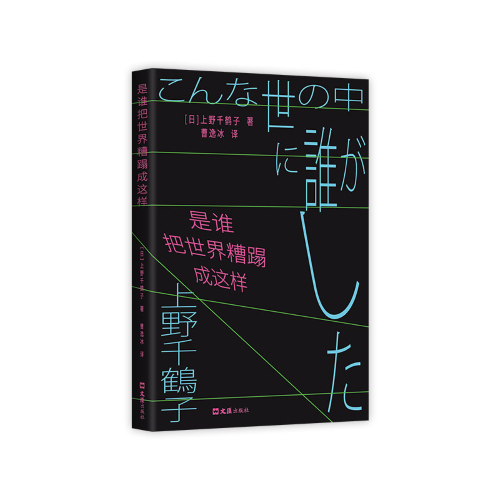
Core Argument - The core argument of Ueno Chizuko's work is a critical reflection on the failures and successes of past social movements in Japan, particularly focusing on the leftist movements of the 1960s and 1970s, and their implications for the current generation [4]. Group 1: Social Movements and Their Impact - Ueno highlights that while the leftist movements of the past contributed to discussions on gender equality and social justice, they ultimately failed to achieve systemic change [4]. - The author critiques the blind spots of these movements, particularly their neglect of differences among various social groups and their overly idealistic goals that led to a disconnect from reality [4]. Group 2: Vision for the Future - Ueno envisions a society where the weak can be respected for their vulnerability, rather than being pressured to conform to traditional notions of strength [4]. - The author questions the authority of the older generation to instruct the youth on the future of Japan, given the current state of the world, emphasizing the need for accountability [4].
2025年诺贝尔经济学奖:创新、毁灭与增长
Jing Ji Guan Cha Bao· 2025-10-13 10:54
Core Insights - The 2025 Nobel Prize in Economic Sciences was awarded to Joel Mokyr, Philippe Aghion, and Peter Howitt for their contributions to understanding how technological change drives sustained economic growth [1] Group 1: Contributions of Joel Mokyr - Mokyr's research focuses on the origins and evolution of modern economic growth through systematic studies of economic history [1] - He emphasizes the role of knowledge in economic growth, arguing that modern growth is significantly more dependent on knowledge compared to pre-modern economies [5][6] - Mokyr attributes the rise of knowledge's importance in economic growth to the Enlightenment, which reshaped knowledge systems and encouraged scientific inquiry [6][7] Group 2: Contributions of Philippe Aghion and Peter Howitt - Aghion and Howitt introduced the concept of "creative destruction," explaining how technological progress disrupts old structures to promote economic growth [11][12] - Their work on endogenous growth theory highlights the dual effects of technological change: enhancing long-term growth potential while also causing disruptions to existing enterprises [12][13] - Aghion's research also delves into the micro-mechanisms and institutional factors behind innovation, including the impact of ownership structures and financing environments [13]