员工管理

Search documents
不做线上,不做广告,这家超市如何成为美国“坪效之王”?
3 6 Ke· 2025-12-19 03:08
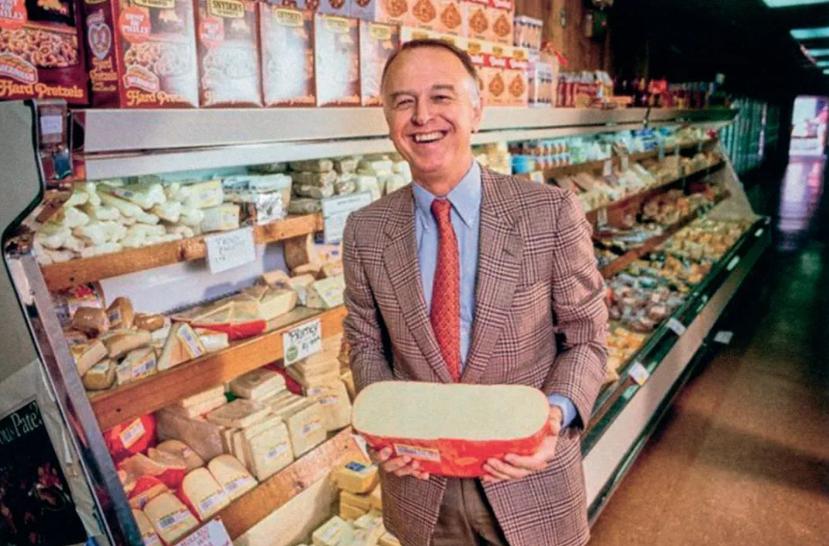
Core Insights - Trader Joe's has achieved remarkable success in the retail sector with a unique business model that includes no membership requirements, minimal online presence, and low traditional advertising spending, resulting in an impressive sales per square foot of over $2,000, which is nearly four times the industry average and three times that of Walmart [1] - The company has grown from a single store in Pasadena, California in 1967 to 568 locations across 42 states, generating annual revenues exceeding $13 billion [1] Market Positioning - The success of Trader Joe's can be traced back to its founder Joe Coulombe's early insights into consumer needs, particularly among a specific demographic of well-educated but underpaid individuals who seek quality and diverse food options without the high prices associated with premium retailers [2][4] - This target demographic has a stable average transaction value of $45-$55, which is lower than Whole Foods but significantly higher than discount retailers like ALDI [5] Strategic Location - Trader Joe's strategically selects locations in areas with a high concentration of its target demographic, such as college towns and cultural hubs, ensuring that stores are embedded within communities that value quality and unique shopping experiences [7][9] - The company prefers to sign long-term leases (15-20 years) to maintain cost stability, with rent expenses accounting for only 3.2% of revenue, well below the industry average of 5.8% [10] Product Strategy - Trader Joe's employs a streamlined product strategy with approximately 4,000 SKUs per store, significantly fewer than traditional supermarkets, allowing for better inventory management and enhanced customer experience [14] - About 80% of the products are private label, which helps maintain quality and reduce costs, with a rigorous selection process ensuring high standards [15][17] Operational Efficiency - The company combines cost control with a focus on customer service, maintaining a cash flow-oriented approach rather than solely maximizing profit margins [18][19] - Trader Joe's has a unique pricing strategy that prioritizes cash contribution over gross margin, allowing for competitive pricing while ensuring profitability [19][21] Marketing and Community Engagement - Trader Joe's relies on experiential marketing rather than traditional advertising, utilizing customer engagement through product sampling and community involvement to build brand loyalty [24][26] - The company actively participates in social responsibility initiatives, including food donations and sustainability efforts, which resonate with its target demographic [27][28] Lessons for the Industry - Trader Joe's success offers valuable insights for retailers facing homogenization and digital transformation challenges, emphasizing the importance of niche market focus and differentiation [29][31] - The company's employee management practices, which prioritize high wages and employee satisfaction, contribute to low turnover rates and high service quality, presenting a model for other retailers [32]

陈春花:赢得员工忠诚的五个建议
Jing Ji Guan Cha Bao· 2025-11-17 01:25
Core Viewpoint - Employee loyalty is increasingly challenging to achieve due to diverse values and heightened self-awareness among individuals. The measurement of loyalty should focus on employees' contributions to organizational goals rather than other factors [1]. Group 1: Strategies for Gaining Employee Loyalty - Setting higher goals and expectations can attract and motivate talented individuals, as they enjoy challenges and seek to exceed industry standards [3][4]. - Empowering employees through delegation is crucial, as it enhances their sense of value and job satisfaction, leading to improved performance [6][7]. - Providing competitive economic benefits is essential for employee recognition, as it reinforces their self-worth and encourages commitment to the company [8]. Group 2: Incentives and Learning Opportunities - Positive incentives can significantly enhance employee satisfaction, with companies implementing reward systems linked to performance, such as benefits for long service and family support [9]. - Fostering a culture of continuous learning and collaboration is vital, as it helps bridge the gap between management and employees, promoting shared growth and development [10].
“上班不在工位的,吃东西的,下班不关电脑,罚款”,一知名企业高管,惹争议
新浪财经· 2025-06-09 00:54
Core Viewpoint - The recent controversial remarks by a senior executive of Minhua Holdings regarding employee fines have sparked significant public discussion, leading the company to investigate the situation [1][9]. Group 1: Executive Remarks and Company Response - A senior executive from Minhua Holdings made statements about imposing fines on employees for various behaviors, such as eating at their desks and not shutting down computers after work [1][4]. - The company has acknowledged the online discussions and is currently investigating the matter, with results expected to be announced soon [9]. Group 2: Financial Performance - Minhua Holdings reported a decline in both revenue and profit, with total revenue of HKD 16.903 billion, down 8.2% year-on-year, and net profit of HKD 2.063 billion, down 10.4% [10][11]. - Domestic sales have significantly decreased by 17.2%, amounting to HKD 9.927 billion, which has reduced its share of total revenue from 65% to 58.7% [11]. - The sales revenue from sofas and related products fell by 7.2% to HKD 11.743 billion, while bedding and related products saw a 19.4% decline [11]. Group 3: Company Actions and Market Strategy - In response to the declining performance, Minhua Holdings has laid off over 3,700 employees, which is more than 10% of its workforce, while increasing executive compensation by 20% [11]. - The company is attempting to expand its domestic store presence to 7,367 locations and is implementing a "trade-in" policy to stimulate demand, although the effectiveness of these strategies remains uncertain [11].