零售本质

Search documents
闪电仓大分化
远川研究所· 2026-02-09 13:05
Core Viewpoint - The article discusses the transition from the intense competition in food delivery to the emerging sector of instant retail, particularly focusing on the concept of "flash warehouses" which offer a wide range of products with rapid delivery times, highlighting the challenges and opportunities in this evolving market [3][12]. Group 1: Flash Warehouse Dynamics - Flash warehouses are positioned as a hybrid model that combines the variety of supermarkets with the speed of food delivery, aiming for cost efficiency similar to e-commerce [3][5]. - The operational complexity of flash warehouses is significant, requiring them to manage a large number of SKUs (5,000-8,000) and maintain a balance between supply and demand, which is challenging for new entrants [5][7]. - The influx of inexperienced operators during the food delivery boom has led to operational inefficiencies, affecting the overall reputation of the industry [7][9]. Group 2: Market Challenges - The withdrawal of subsidies has exposed the structural weaknesses of many flash warehouses, leading to a wave of closures among those who entered the market without a solid understanding of retail fundamentals [9][12]. - Successful operators in the flash warehouse space are those with prior retail experience who understand the importance of supply chain management and operational excellence [9][11]. - The article emphasizes that the instant retail market is not a fleeting trend but is expected to grow significantly, with projections indicating a market size exceeding 1 trillion yuan by 2026 [14]. Group 3: Future Outlook - The current phase of the instant retail market is characterized by a shift towards rational competition, where the focus is on meeting genuine local demand rather than relying on subsidies [14][15]. - Local operators who understand their market and can adapt to consumer needs are becoming the backbone of the flash warehouse sector, demonstrating the importance of localized strategies [15][19]. - The article concludes that the industry is moving towards a more sustainable model, rewarding those who prioritize long-term operational stability and customer satisfaction over aggressive expansion [19].


不做线上,不做广告,这家超市如何成为美国“坪效之王”?
3 6 Ke· 2025-12-19 03:08
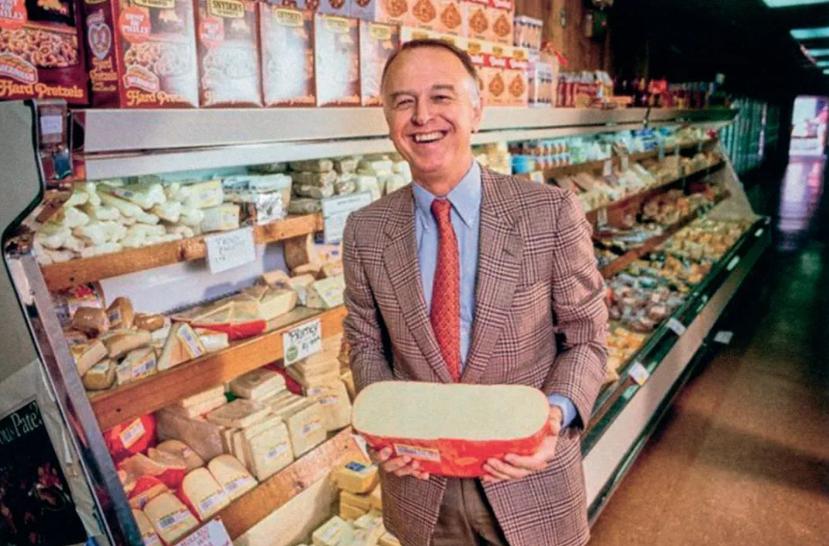
Core Insights - Trader Joe's has achieved remarkable success in the retail sector with a unique business model that includes no membership requirements, minimal online presence, and low traditional advertising spending, resulting in an impressive sales per square foot of over $2,000, which is nearly four times the industry average and three times that of Walmart [1] - The company has grown from a single store in Pasadena, California in 1967 to 568 locations across 42 states, generating annual revenues exceeding $13 billion [1] Market Positioning - The success of Trader Joe's can be traced back to its founder Joe Coulombe's early insights into consumer needs, particularly among a specific demographic of well-educated but underpaid individuals who seek quality and diverse food options without the high prices associated with premium retailers [2][4] - This target demographic has a stable average transaction value of $45-$55, which is lower than Whole Foods but significantly higher than discount retailers like ALDI [5] Strategic Location - Trader Joe's strategically selects locations in areas with a high concentration of its target demographic, such as college towns and cultural hubs, ensuring that stores are embedded within communities that value quality and unique shopping experiences [7][9] - The company prefers to sign long-term leases (15-20 years) to maintain cost stability, with rent expenses accounting for only 3.2% of revenue, well below the industry average of 5.8% [10] Product Strategy - Trader Joe's employs a streamlined product strategy with approximately 4,000 SKUs per store, significantly fewer than traditional supermarkets, allowing for better inventory management and enhanced customer experience [14] - About 80% of the products are private label, which helps maintain quality and reduce costs, with a rigorous selection process ensuring high standards [15][17] Operational Efficiency - The company combines cost control with a focus on customer service, maintaining a cash flow-oriented approach rather than solely maximizing profit margins [18][19] - Trader Joe's has a unique pricing strategy that prioritizes cash contribution over gross margin, allowing for competitive pricing while ensuring profitability [19][21] Marketing and Community Engagement - Trader Joe's relies on experiential marketing rather than traditional advertising, utilizing customer engagement through product sampling and community involvement to build brand loyalty [24][26] - The company actively participates in social responsibility initiatives, including food donations and sustainability efforts, which resonate with its target demographic [27][28] Lessons for the Industry - Trader Joe's success offers valuable insights for retailers facing homogenization and digital transformation challenges, emphasizing the importance of niche market focus and differentiation [29][31] - The company's employee management practices, which prioritize high wages and employee satisfaction, contribute to low turnover rates and high service quality, presenting a model for other retailers [32]
硅鲸科技CEO赵绍辉评盒马X会员店折戟:食品安全是不可逾越的生命线 新零售和互联网非“法外之地”
Sou Hu Cai Jing· 2025-08-06 12:55
Core Insights - The last Hema X membership store in Shanghai will close on August 31, marking the end of all Hema membership stores nationwide [1] - Experts and analysts have been consulted to interpret the implications of these closures [1] Group 1: Business Model and Challenges - Hema X membership stores have struggled due to a deviation from retail fundamentals, particularly in value and service, compared to established models like Sam's Club and Costco [5] - The economic downturn and consumer fatigue have exposed Hema's unclear positioning and high costs, leading to insufficient perceived value among members [5][6] - Hema has faced repeated food safety issues, damaging consumer trust and revealing systemic flaws in quality control and supplier management [5] Group 2: Future Prospects - The future of Hema, whether independent or not, hinges on its ability to focus on core operations and improve service efficiency [6] - Closing membership stores allows Hema to concentrate resources and streamline operations, with potential growth in specific areas like instant delivery and fresh produce [6] - Emphasizing safety and solidifying foundational retail capabilities are essential for Hema to navigate competition and sluggish consumer demand [6]

盒马告别会员店业务全面终止,从对标国际巨头回归零售本质战略
Sou Hu Cai Jing· 2025-08-05 03:56
Core Insights - The termination of Hema's membership store business signifies a strategic shift from expansion to a focus on retail fundamentals [1][12] - The company aims to prioritize profitability under the new CEO, Yan Xiaolei, with plans to enhance its core business operations [8] Timeline of Store Closures - Hema began its store closures in March 2024, reducing its locations from 10 to 5 by April [1] - By July 31, 2025, Hema will close its last stores in Beijing, Suzhou, and Nanjing, with the final closure in Shanghai on August 31, 2025, marking the end of the membership store business [2] Membership Rights Management - Paid members can continue shopping online through the "Cloud Enjoyment Meeting" channel, retaining membership pricing and delivery services [3] - Hema collaborates with Taobao 88VIP to offer a "free 90-day membership" initiative to transition users to its core business [3] Reasons Behind Store Closures - External pressures include intense competition from Sam's Club and Costco, as well as local brands like fudi and M Membership Store, leading to a slowdown in industry growth [5] - Internal strategic misalignment is evident, with insufficient product differentiation and supply chain weaknesses [6] Cost and Positioning Imbalance - Hema faced high rental costs, with a prime location in Beijing costing 15 RMB/m²/day, while the average industry rate is 8-10 RMB/m² [7] - The target customer base was misaligned, as the membership fee of 258 RMB/year did not match the high-end product experience, resulting in low member repurchase rates [7] Management's Strategic Shift - The new CEO emphasizes a "profit-first" approach, aiming for a GMV of 75 billion RMB and the first annual profit in FY2025 [8] - Plans include opening 100 new Hema Fresh stores and expanding the Hema Neighborhood Business (NB) to 1,000 stores, focusing on community discounts [8] Industry Reflection and Future Challenges - The membership store model faces challenges in China, with long-term investments clashing with the rapid pace of the internet [9] - Hema's localization efforts have been inadequate, failing to adapt to the needs of small families in China [9] Hema's New Battlefield and Concerns - The competition in instant retail is fierce, with JD's 7Fresh offering lower prices and Meituan's penetration into lower-tier markets [10] - Concerns about product quality in Hema NB could undermine brand trust if low-price strategies compromise quality [10] Insights: Return to Retail Fundamentals - The exit from membership stores reflects a return to retail principles, focusing on effective scale and user value [11] - Hema aims to enhance the shopping experience and address cost-performance issues while navigating competitive pressures [11][12]