咖啡因摄入

Search documents
一杯就让人睁眼到天亮?!很多人不知道还天天喝(不是咖啡)
Xin Lang Cai Jing· 2025-12-25 11:11
Core Viewpoint - The increasing popularity of milk tea among young consumers raises concerns about its caffeine content, which can be higher than that of coffee, potentially leading to insomnia [2][3]. Caffeine Content in Milk Tea - A cup of milk tea can contain caffeine equivalent to 7 cans of Red Bull or 4 cups of coffee, with an average caffeine content of 270 mg per cup, and a maximum of 480 mg found in some samples [3][11]. - In a 2019 study, the average caffeine content in milk tea was found to be 258 mg/kg, with the highest recorded at 522 mg/kg, equivalent to the caffeine in 7 cans of Red Bull [3][11]. Sources of Caffeine - The caffeine in milk tea primarily comes from tea leaves, which contain about 20-40 mg of caffeine per gram. Many commercial milk teas use concentrated tea powders, resulting in higher caffeine levels [5][11]. Caffeine Consumption Patterns - For adults, the highest sources of caffeine intake are tea, tea beverages, milk tea, and coffee. For minors, milk tea is the leading source of caffeine [6][11]. Individual Sensitivity to Caffeine - Individual responses to caffeine vary significantly, influenced by genetic factors that affect caffeine metabolism. Some individuals may experience insomnia after consuming just one cup of milk tea, while others may not be affected [8][9][11]. Safety of Caffeine Intake - Health organizations, including the FDA and EFSA, consider a daily caffeine intake of up to 400 mg safe for healthy adults. For milk tea, consuming up to 1524 g daily is deemed safe if no other caffeine sources are consumed [11][12]. - Special caution is advised for teenagers and pregnant women, as they are more sensitive to caffeine [11][12]. Health Considerations - Besides caffeine, milk tea often contains high levels of sugar and fat, with fat content reaching 40-70 grams and sugar content between 30-60 grams per cup, which can contribute to weight gain [15].


喝咖啡,真能提高健康长寿几率?
Hu Xiu· 2025-06-12 00:23
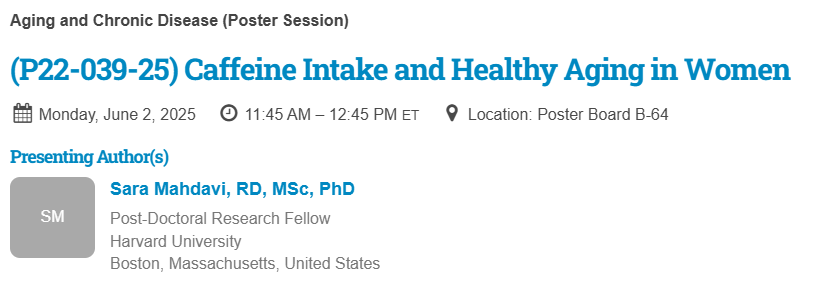
Core Insights - The article discusses a recent study from Harvard University indicating that drinking caffeinated coffee may increase the chances of healthy aging in women [2][3][15] - The research highlights that while coffee consumption is linked to health benefits, the effects are relatively small compared to overall healthy lifestyle choices [12][15] Group 1: Study Overview - The study titled "Caffeine Intake and Healthy Aging in Women" was presented at the NUTRITION 2025 conference [2] - It analyzed data from the Nurses' Health Study, involving 47,513 female participants, focusing on their intake of coffee, tea, and cola [4] - The definition of healthy aging includes living to 70 years or older without major chronic diseases or cognitive impairments [5] Group 2: Key Findings - The average caffeine intake among participants during middle age was 315 mg per day, equivalent to about 3 small cups of coffee [7] - Increased caffeine intake (80 mg/day) was associated with a 5% higher chance of healthy aging and a 2% to 5% increase in the likelihood of being free from major chronic diseases [9][8] - Drinking more than 5 cups of coffee per day showed significant benefits [10] Group 3: Beverage Comparisons - Tea and decaffeinated coffee did not show any correlation with healthy aging [11] - Consuming one additional can of cola (approximately 350 mL) was linked to a 19% decrease in the chances of healthy aging and a 20% to 26% reduction in the likelihood of being free from major chronic diseases [12] Group 4: Recommendations and Future Research - The researchers emphasize moderation, suggesting that up to two cups of coffee per day is safe and potentially beneficial [13] - Future research will focus on specific bioactive compounds in coffee and their interactions with genes and metabolism [14]