品牌估值

Search documents
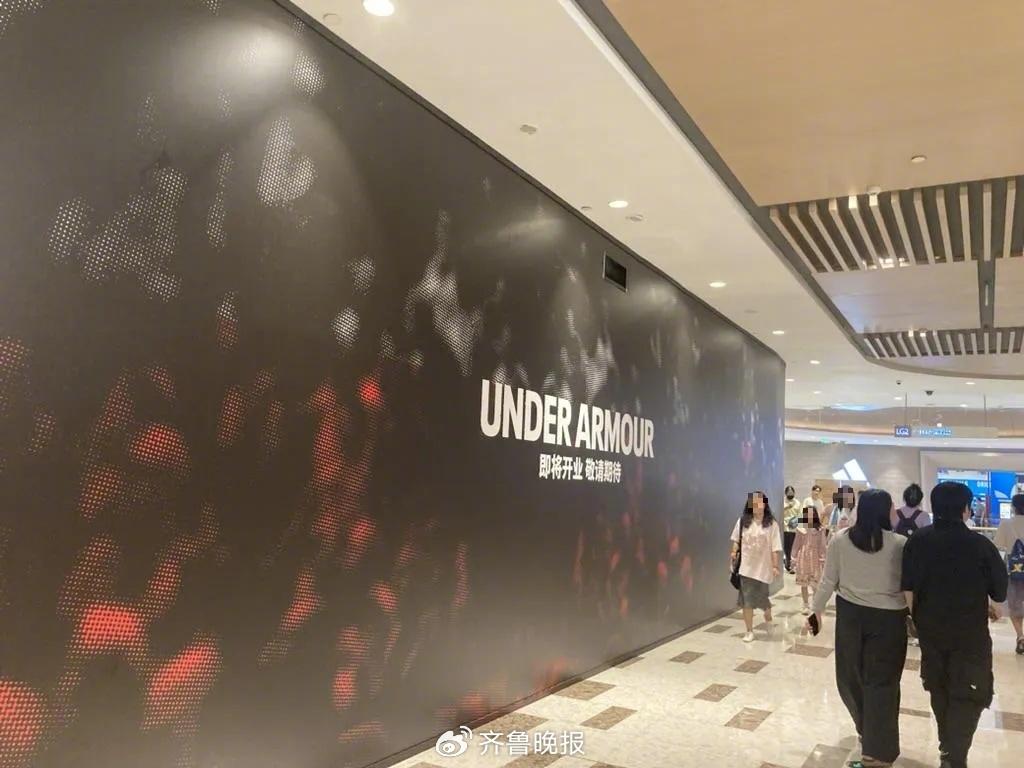
济南万象城彪马门店停业,济南仅余4家滔搏代理门店
Qi Lu Wan Bao· 2025-09-19 03:22
Core Viewpoint - The closure of the PUMA store in Jinan's MixC Mall indicates a shift in the retail landscape, with potential implications for PUMA's market presence in China and the operational strategies of its distributor, Tmall International Holdings Limited [1][3]. Group 1: Store Closures and Operations - PUMA has closed its store in Jinan's MixC Mall due to the expiration of the lease, with the possibility of re-entering the market in the future [1]. - Currently, there are four remaining PUMA stores in Jinan, all operated by Tmall International Holdings Limited [3]. - Tmall has been adjusting its store count, with a reported total of 5,020 stores as of February 28, 2025, reflecting an 18.3% year-on-year decrease [3][4]. Group 2: Financial Performance - Tmall's financial report indicates a significant reduction in store numbers, with 1,382 closures leading to a net decrease of 1,124 stores in the past year [3][4]. - The revenue for Tmall in the 2024/2025 fiscal year is projected to decline by 6.6%, totaling 27.01 billion, with a 41.9% drop in profit attributable to equity holders [5]. - PUMA's performance in China remains strong, with the Asia-Pacific region being the only area to show sales growth, particularly in the Greater China region, which has seen positive growth for eight consecutive quarters [5]. Group 3: Market Position and Future Prospects - PUMA ranks as the fifth most valuable global sports brand, according to a report by GYBrand, trailing only behind domestic brands like Anta [5]. - There are rumors regarding the potential sale of PUMA, with Anta and Li Ning being the most discussed potential buyers, although both companies have refrained from commenting on these speculations [5].


Lululemon 又暴跌?利润崩太快,估值杀太慢!
海豚投研· 2025-06-07 03:51
Core Viewpoint - Lululemon's Q1 performance indicates a slowdown in growth, with a significant drop in net profit margin to 13.3%, the lowest in three years, raising concerns about the company's growth trajectory and valuation [2][5][7]. Financial Performance - Lululemon reported Q1 revenue of $2.37 billion, a 7.3% year-over-year increase, aligning with market expectations but reflecting low growth [2][6]. - The gross profit margin improved to 58.3%, up 0.6% year-over-year, despite increased marketing expenses due to intensified competition [5][6]. - The company adjusted its full-year operating margin guidance downwards, now expecting a decline of 160 basis points, influenced by new tariffs affecting supply chain costs [5][7]. Market Segmentation - North America, Lululemon's primary market, saw a 3.2% year-over-year growth, with a decline in sales volume being the main factor for the slowdown [2][3]. - The Chinese market grew by 19%, but this is a significant drop from previous years' growth rates above 35%, attributed to increased competition and lower consumer spending in second-tier cities [2][3]. - Other international markets experienced an 18.5% growth, but this also indicates a slowdown, suggesting broader economic pressures [3]. Product Performance - Women's apparel generated $1.54 billion in revenue, growing 7%, while men's apparel, which has been a focus for growth, only increased by 8%, indicating underperformance [4][6]. - The company is shifting focus to upgrading existing stores rather than aggressively opening new ones, with only three new stores added in Q1, against a planned 40-45 for the year [4][6]. Consumer Behavior - The reduction in promotional activities led to a rise in average transaction value, but increased marketing expenses have impacted overall profitability [5][6]. - The introduction of high-ticket items like the Daydrift high-waisted pants has been positively received, contributing to the improved gross margin [5]. Valuation Concerns - Following the earnings report, Lululemon's stock dropped 22%, reflecting market concerns over its growth potential and valuation, which remains high at approximately 17 times projected earnings for 2025 [7][9]. - The company’s historical success in the yoga apparel market is under scrutiny as it seeks new growth avenues through category expansion and international market penetration [8][9].


最有价值和最强大的保险品牌100强的2025年度报告(英)2025
品牌价值· 2025-03-17 09:55
Investment Rating - The report indicates a positive investment outlook for the insurance industry, with a 9% growth in brand value among the top 100 insurance brands in 2025, driven by improved underwriting results and higher investment returns [10][17]. Core Insights - The leading insurance brand, Ping An Insurance, maintains its title with a brand value of $33.6 billion, although this is nearly half of its peak value of $60.6 billion in 2020, reflecting the lasting impact of the COVID-19 pandemic and economic downturn [30][24]. - Allianz follows closely with a brand value of $26.7 billion, showing a 9% increase, and is noted for strong performance across all market segments [24][42]. - The report highlights the significant contribution of U.S. companies, which account for 25% of the total brand value of the top 100 insurance brands, marking a 12% increase from the previous year [18][11]. Summary by Sections Industry Overview - In 2025, the top 100 insurance companies saw a 9% increase in brand value, attributed to better underwriting results, rising interest rates, and increased profitability [17]. - The U.S. insurance market is experiencing a surge, particularly in high-risk areas, with homeowners' insurance premiums rising by 22% from 2020 to 2023, surpassing the national average increase of 13% [17][18]. - The report emphasizes the rising risks associated with climate change, with 18 weather-related incidents in the U.S. in 2022, each causing over $1 billion in losses [18][19]. Valuation Analysis - The top 10 insurance brands in 2025 all experienced brand value growth, with Ping An and Allianz leading the way [24][27]. - AXA's brand value increased by 20% to $19.8 billion, surpassing China Life Insurance, which grew by 5% to $18.3 billion [25]. - Generali Group and Allstate also saw significant growth, with brand values rising by 47% to $17 billion and 39% to $16 billion, respectively [26]. Brand Strength Analysis - PZU achieved a Brand Strength Index (BSI) score of 94.4, earning it an AAA+ rating, placing it among the world's most influential brands [47][50]. - Local brands tend to have a significant advantage in brand strength, as evidenced by the strong performance of brands operating primarily in single markets [48][52]. Sustainability Analysis - Sustainability is a key driver of customer choice and reputation in the insurance industry, influencing 6.7% of customer considerations [56]. - The report notes that major insurers are increasingly recognizing the overlap between governance and environmental sustainability, particularly in light of recent climate-related events [58][59]. Brand Focus - Allianz's brand value growth is attributed to improved operational profits and a strong presence in Europe, with high brand recognition among consumers [42][44]. - The report highlights the importance of employee engagement in enhancing brand recognition and aligning with brand values [68][71].