商业竞争策略

Search documents
OpenAI 囤 DRAM 晶圆,内存价格炸了!32GB DDR5 一月狂涨 156%,厂商倒买、交货延期,商业遏制引市场崩盘?
AI前线· 2025-12-09 04:52
Core Viewpoint - The article discusses the dramatic increase in DRAM prices due to unexpected large-scale purchases by OpenAI, which has caused panic in the memory market and led to significant supply shortages [4][6][8]. Group 1: Price Surge and Market Reaction - A specific example highlights that a 32GB DDR5 memory kit increased in price by 156% within three weeks, raising concerns about future pricing trends [4]. - TrendForce estimates that DRAM prices may rise by 8% to 13%, while Counterpoint predicts even larger increases [5]. - The panic in the market is attributed to OpenAI's unprecedented DRAM procurement, which caught the industry off guard and led to widespread stockpiling by competitors [7][9]. Group 2: Market Vulnerabilities - The article identifies three main factors contributing to the market's fragility: chaotic tariff policies, continuous price declines, and stagnation in secondary DRAM production capacity [15][16]. - Companies reduced their safety stock due to unpredictable tariff changes, leading to a depletion of reserves [15]. - The ongoing decline in RAM prices discouraged companies from stockpiling, further exacerbating inventory shortages [16]. Group 3: OpenAI's Strategic Moves - OpenAI's purchases were not for finished memory modules but for raw wafers, indicating a strategy to hoard resources without immediate plans for production [18][22]. - The article suggests that OpenAI's actions may be driven by a fear of losing its competitive edge, as rivals are aggressively pursuing computational resources [20][21]. - The secretive nature of OpenAI's agreements with major DRAM suppliers has raised suspicions about the intent to manipulate market supply [22].


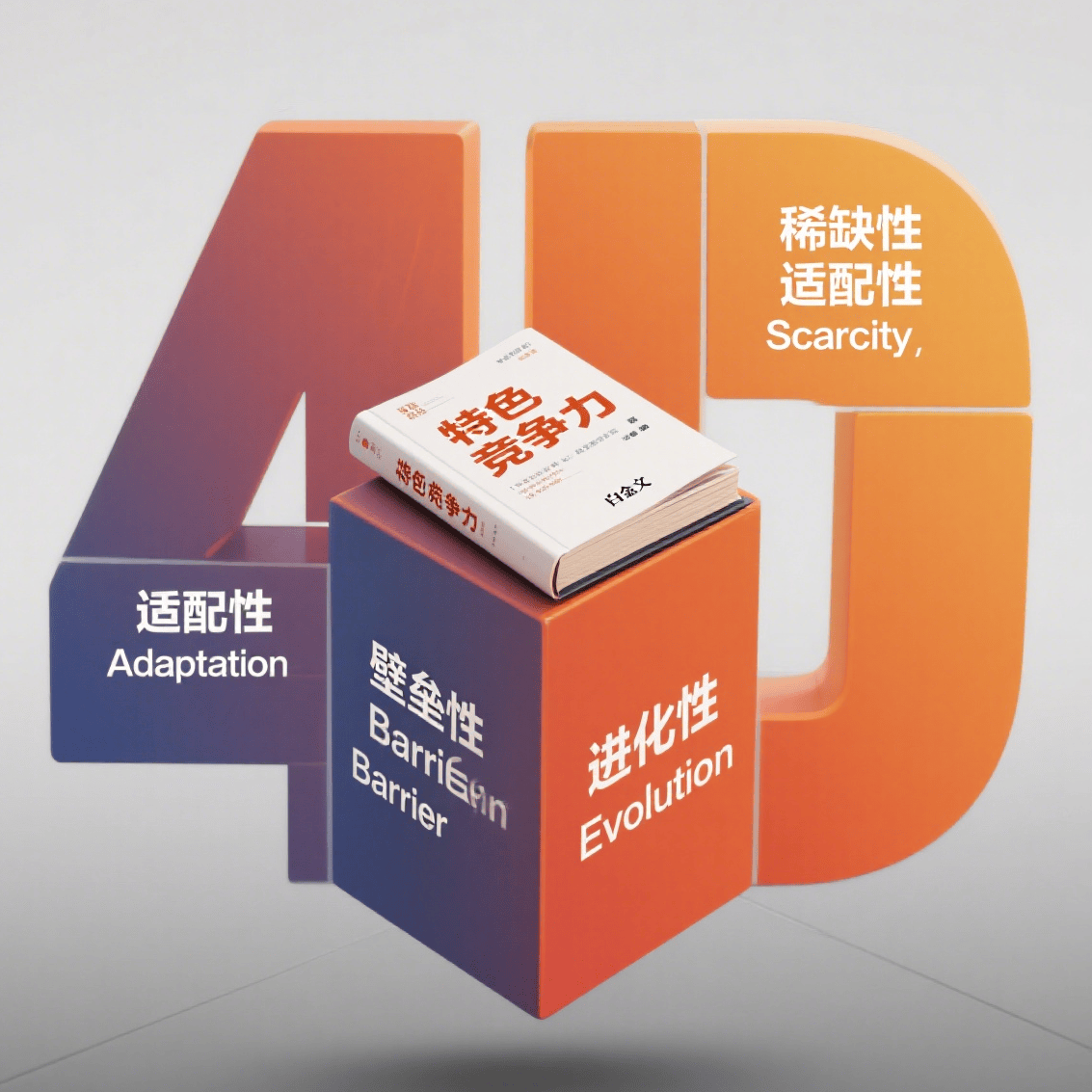
没有特色竞争力的企业,终将被市场所替代
Sou Hu Cai Jing· 2025-05-29 09:23
Group 1 - The article emphasizes the importance of unique competitive advantages for companies to survive and thrive in a highly competitive market [15] - Companies must adapt their strategies according to different market stages: being pioneers in empty markets, disruptors when competitors emerge, and striving to be unique in saturated markets [1][3][4] - The article outlines three competitive battlefields: the initial stage focuses on resource competition, the advanced stage on efficiency, and the top stage on irreplaceability [7][8][11] Group 2 - In the initial battlefield, companies often rely on resources such as capital and materials, leading to fierce competition and declining profits [7] - As competition intensifies, companies shift to improving efficiency through process optimization and cost reduction, but this can also lead to profit dilution [8] - In the top battlefield, companies that offer irreplaceable products or services dominate the market, exemplified by Tesla's technology and Apple's ecosystem [11]