商品补贴

Search documents
未来三年投入200亿元商品补贴 京东宣布“百亿超市”频道上线
Guang Zhou Ri Bao· 2026-02-26 08:00
Core Insights - JD.com has launched the "Billion Supermarket" channel on its app, significantly increasing its investment in subsidies for the supermarket category [1] - The company plans to invest over 20 billion yuan in product subsidies over the next three years, aiming to generate an additional 200 billion yuan in sales for brands [1] - The "Billion Supermarket" initiative will surpass other categories in subsidy strength, making it the largest subsidy program within JD's offerings [1] Investment and Growth Strategy - JD.com aims to grow its user base in JD Supermarket from 300 million to 500 million by 2025, with a projected annual growth rate exceeding 20% in user numbers and order volume [1] - The "Billion Supermarket" channel will cover a wide range of products, including food, beverages, household items, and more, providing consumers with affordable quality goods [1] User Engagement and Accessibility - Users can access the "Billion Supermarket" by navigating through the JD app or searching for it directly [2]

京东上线“百亿超市”频道 未来3年投入超200亿商品补贴
Di Yi Cai Jing· 2026-02-26 06:21
Group 1 - JD.com has launched a new "Billion Supermarket" channel on its app, increasing its investment in subsidies for supermarket categories [1] - The company plans to invest over 20 billion yuan in product subsidies over the next three years [1] - This initiative aims to help brands achieve an additional sales increment of 200 billion yuan [1]
京东:上线“百亿超市”频道,计划未来3年内投入超200亿元商品补贴
Xin Lang Cai Jing· 2026-02-26 06:16
Group 1 - The core point of the article is that JD.com has launched a "100 Billion Supermarket" channel on its app, significantly increasing its investment in subsidies for the supermarket category [1] - JD.com plans to invest over 20 billion yuan in product subsidies over the next three years [1] - The initiative aims to help brands achieve an additional sales increment of 200 billion yuan [1]
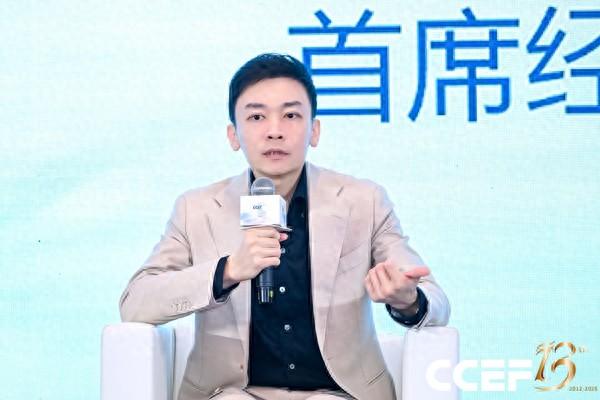
芦哲:商品补贴存在“吃老本”问题,可持续性消费可补位
Guan Cha Zhe Wang· 2026-01-12 00:05
Group 1 - The core viewpoint presented by the chief economist of Dongwu Securities, Lu Zhe, is that consumer spending does not require stimulation as people will spend money when they have it, which is a reflection of human nature [1] - Lu Zhe emphasizes the importance of the middle and low-income groups in consumer structure, noting that while they are significant, their impact is a slow variable [1] - He critiques the current approach of universal cash vouchers for consumption stimulation, suggesting that it is not realistic in the current environment, and points out the issue of "eating old capital" in current product subsidies [1] Group 2 - In the context of the 2025 automotive market, Lu Zhe highlights that strong growth in car consumption was largely driven by consumer expectations of the end of subsidies, leading to a pull-forward of demand from 2027 [3] - He warns of the risks associated with this demand drop-off and suggests that the government should gradually reduce consumption subsidies in 2026 compared to 2025 to avoid future issues [3] - Lu Zhe identifies sustainable consumption in service sectors, such as medical beauty, fitness, domestic services, and pet economy, as a key area for future growth and subsidy effectiveness [3]