
商改保

Search documents
一文看懂“北上深”三城「商改保」最新推进情况
Sou Hu Cai Jing· 2026-02-27 04:50
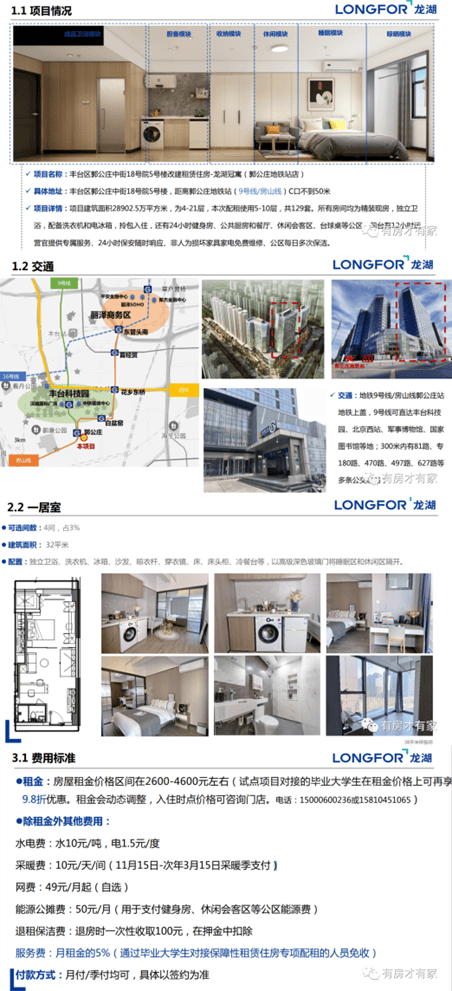
Core Insights - The "commercial-to-rental" initiative aims to convert idle non-residential properties into affordable rental housing, addressing the dual challenges of asset underutilization and housing shortages in major cities [1][3][31] Group 1: Policy Framework - The State Council's 2021 guidelines allowed the conversion of idle commercial properties into affordable rental housing without changing land use or paying additional land fees, providing tax incentives and utility price reductions [1][2] - Beijing has established a comprehensive policy framework for "commercial-to-rental," including top-level regulations and operational details, serving as a national benchmark [5][14] - Shanghai has developed a complete policy framework with a three-year action plan and implementation guidelines, focusing on the conversion of commercial properties into rental housing [14][15] Group 2: Market Conditions - Major cities like Beijing, Shanghai, and Shenzhen face high vacancy rates in commercial properties, with Beijing's Grade A office rental prices dropping to 246 RMB/sqm/month and vacancy rates reaching 17.9% [1][2] - The demand for affordable rental housing remains significant, with Beijing aiming for 400,000 new units and Shenzhen targeting at least 740,000 units during the 14th Five-Year Plan [2][3] Group 3: Project Implementation - Beijing's first "commercial-to-rental" project, the Longfor Guanyuyuan in Fengtai District, converted an idle office building into 728 rental units, showcasing a successful model [7][12] - Shanghai's Suhe Meixin Apartment, converted from an old office building, exemplifies the market-oriented approach to "commercial-to-rental," offering 230 high-quality rental units [16][20] - Shenzhen's first operational project, the Huan Shui | Boyu Ecological Software Park, quickly reached full occupancy, demonstrating the effectiveness of the initiative [25][29] Group 4: Financial and Operational Support - Financial institutions are providing low-interest loans and tax incentives for "commercial-to-rental" projects, facilitating funding and operational efficiency [6][15] - The approval process for these projects has been significantly streamlined, with some projects receiving approvals in as little as two months [6][15] Group 5: Broader Implications - The "commercial-to-rental" initiative addresses structural contradictions in urban development, optimizing resource allocation and enhancing living conditions [31] - It shifts urban renewal from extensive redevelopment to organic updates, preserving historical urban fabric while activating spatial value [31] - The integration of REITs into the "commercial-to-rental" model transforms it into a sustainable market-driven business, paving the way for new development models in the real estate sector [31]

一栋办公楼的“第二次生长”——北京“商改保”样本调研
Zheng Quan Ri Bao· 2026-02-12 16:14
Core Insights - The article emphasizes the importance of optimizing the supply of affordable housing, with a focus on transforming idle commercial properties into affordable rental housing, known as "commercial-to-affordable" (商改保) [1] - Financial institutions play a crucial role in supporting these initiatives, exemplified by the establishment of a 30 billion yuan housing rental fund by China Construction Bank [1] - The successful transformation of a vacant office building into a rental housing project in Beijing demonstrates the viability of this model, achieving a rental rate of 92.8% within a year of operation [3][5] Group 1: Project Overview - The CCB Jianrong Home project in Beijing represents a collaboration between various entities, marking the first affordable rental housing project under the Jianxin Housing Rental Fund [2] - The project features modern amenities such as a shared lobby café, gym, and communal kitchen, catering to the needs of tenants while fostering community interaction [2] - The transformation from an idle office building to a functional living space involved modular design and efficient use of existing structures, enhancing operational returns [3][6] Group 2: Operational Efficiency - The project adopted an industrialized and modular renovation approach, reducing costs from an initial estimate of 2,500 yuan per square meter to approximately 2,300 yuan [6] - The renovation process was completed in a significantly shorter timeframe than industry averages, with key procedures finalized in just 66 days [6] - The integration of digital management systems allows for efficient monitoring and management of the property, enhancing tenant experience and operational efficiency [7] Group 3: Market Viability - The "commercial-to-affordable" model has proven effective in revitalizing underperforming assets, as evidenced by the project's success despite initial market skepticism regarding its location and competition [5] - The establishment of affordable housing REITs has become a pivotal mechanism for revitalizing idle assets and addressing housing supply needs, with eight such REITs successfully issued to date [8] - The financial structure provided by REITs addresses long-standing challenges in the rental housing sector, enabling a sustainable operational model for affordable housing projects [8][9]