地域风味

Search documents
从“吃草”到“啃木头”,2025年奶茶爆品有多野?
Xin Lang Cai Jing· 2026-02-02 13:20
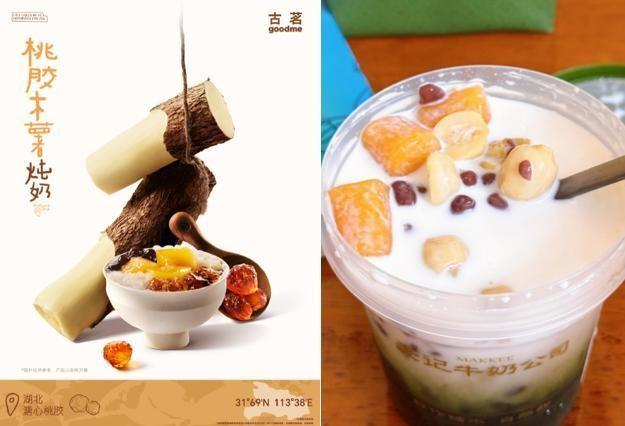
Core Insights - The beverage industry in 2025 continues to thrive on social media, with brands innovating to create surprising products that capture consumer interest [1][2] - The trends observed in 2025 provide a glimpse into the potential directions for 2026, highlighting a blend of nostalgia and modernity in product offerings [1][32] Group 1: Product Innovations - The return of traditional "sugar water" elements, particularly the rise of "tapioca," signifies a nostalgic trend in the beverage market, with brands like Gu Ming and Mai Ji Milk Company achieving significant sales through tapioca-based drinks [3][5][6] - Seasonal fruit competitions are evolving, with a shift from niche fruits to a focus on classic options like strawberries and cherries, emphasizing the importance of supply chain transparency and quality sourcing [7][9][10] - A "physical revolution" in beverage forms is occurring, blurring the lines between drinks and desserts, with products like liquid cakes and solidified versions of traditional drinks gaining popularity [11][12][13][16] Group 2: Health and Wellness Trends - The "super plant tea" category, which gained traction in 2024, continues to evolve in 2025, with an expanding range of ingredients and a focus on supply chain integrity, indicating a shift towards sustainable health-focused beverages [19][20] - The introduction of mushroom-infused drinks reflects a trend towards unique flavor profiles and regional cultural experiences, enhancing the diversity of offerings in the beverage market [20][22][24] Group 3: Market Dynamics - The emergence of "ice milk" drinks demonstrates a strategic return to familiar flavors, effectively meeting consumer demand for refreshing beverages during hot weather, while also creating a new product category [26][28] - The rise of "salty" flavors in beverages, such as cheese-infused teas, showcases a trend towards balanced flavor profiles that enhance the overall drinking experience [27][28] - The use of "dopamine colors" in product design and marketing is becoming a powerful tool for brands, enhancing visual appeal and consumer engagement through vibrant color schemes [29][31] Group 4: Future Outlook - The beverage industry is expected to continue exploring existing values and experiences to create the next generation of hit products, focusing on modern interpretations of traditional flavors and sensory experiences [32][33] - The competitive landscape in 2026 will favor brands that can not only generate short-term trends but also establish lasting connections with consumers through innovative and meaningful offerings [34]

思宾格Biospringer:流量“食”足,地域风味何以成为零食市场增长“新引擎”?
Zhong Guo Shi Pin Wang· 2026-01-16 07:24
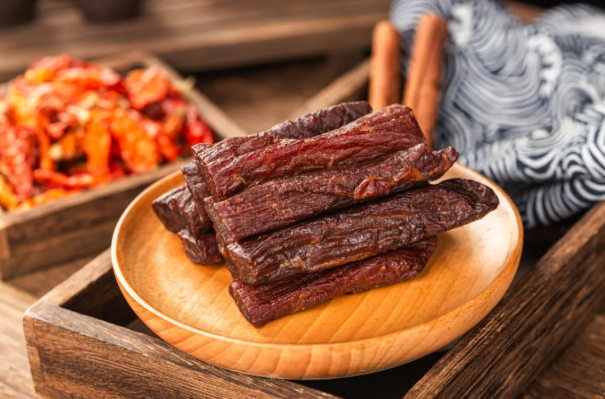
Group 1 - The core viewpoint of the article highlights the rising demand for regional flavor snacks driven by consumers' desire for flavor experiences and emotional connections, leading to a new consumption trend in the snack food market [1][3] - Regional flavor snacks are becoming a key growth engine in the snack food industry, with 26% of global consumers wanting local dish flavors in food and beverages, and 43% of consumers attracted to regionally limited delicacies [3] - The overall market size for flavored snacks in China is projected to reach 587.2 billion yuan in 2024, with regional specialty snacks accounting for 11.2% of this market [3] Group 2 - The innovation in regional flavor snacks is characterized by a dual approach of "classic preservation" and "cross-border integration," providing diverse taste experiences [3] - In the meat snack category, brands are focusing on flavor design that aligns with consumer emotional needs and health demands, utilizing ingredients like Biospringer yeast extract to enhance flavor while meeting health standards [5] - For puffed snacks, brands are transforming popular local dishes into flavors, emphasizing health attributes such as low fat and zero trans fats to cater to consumer health needs [7] Group 3 - The konjac snack category is seeing innovation through the fusion of northern and southern flavors, with spicy and tangy profiles becoming popular among consumers [9] - In the nut snack sector, brands are leveraging local flavors and rare ingredients to appeal to younger consumers while incorporating healthy components [11] - The health snack market in China is growing rapidly, with a year-on-year growth rate exceeding 30% for regional flavor snacks with "clean label" attributes [12] Group 4 - Companies are required to balance the preservation of regional flavors with health upgrades, utilizing natural ingredients like yeast extract to enhance flavor while addressing health concerns [13] - Biospringer yeast extract is recognized for its ability to reduce salt while enhancing flavor, making it a key solution for companies aiming to meet consumer health demands [13] - The rise of regional flavor snacks reflects a return to local cultural identity and serves as a practical example of industry innovation, suggesting that further exploration of local flavors and scientific formulation upgrades could drive market growth [13]
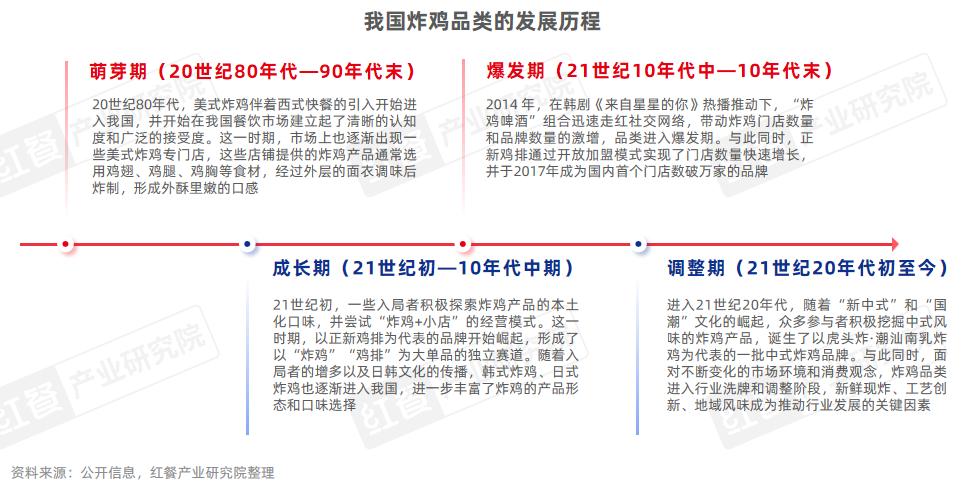
炸鸡品类发展报告2025:地域风味与年轻客群助力赛道持续扩容
3 6 Ke· 2025-12-22 09:09
Core Insights - The fried chicken segment is experiencing rapid growth driven by the young consumer demographic, with a market size projected to increase significantly by 2025 [2][9]. Market Overview - The fried chicken market in China has evolved since the introduction of Western fast food in the 1980s, becoming a significant player in the restaurant industry [2]. - The market has diversified into various subcategories, including American, Korean, Chinese, and Japanese fried chicken, catering to different consumer tastes and cultural experiences [5]. Growth Factors - Four key factors contributing to the rapid growth of the fried chicken segment include standardization ease, mature supply chains, light investment models, and the rise of street food economies [8]. - The compound annual growth rate (CAGR) for the fried chicken market from 2019 to 2024 is projected at 9.4%, with an expected year-on-year growth rate of 11.7% by November 2025 [9]. Brand Landscape - As of November 2025, there are approximately 98,800 fried chicken-related enterprises in China, with an increase of nearly 4,000 from the end of 2024 [11]. - The market remains fragmented, with several brands like Zhengxin Chicken and emerging players rapidly expanding their store counts [12][15]. Consumer Demographics - The primary consumer base for fried chicken consists of young individuals aged 18 to 35, accounting for 79% of the market, with a notable frequency of purchase among this group [18][20]. - Fried chicken is popular across various consumption scenarios, including afternoon tea, late-night snacks, and social gatherings [20]. Product Innovation and Differentiation - Brands are focusing on fresh and transparent cooking processes, with many adopting open kitchen formats to enhance consumer experience [22]. - There is a trend towards local flavor adaptations and innovative product offerings, with brands exploring diverse chicken parts and regional tastes [26][27]. Store Formats and Strategies - Many fried chicken brands utilize small store formats (10-30 square meters) to optimize operational efficiency and adapt to various locations [29][32]. - The low investment requirement for small stores facilitates rapid expansion and market penetration [32]. Delivery and Marketing Strategies - The fried chicken segment has seen a significant shift towards online delivery, with over 50% of sales coming from this channel, indicating a growing trend [33][34]. - Brands are employing diverse marketing strategies to engage young consumers, including social media interactions and cultural themes [35][36]. Supply Chain Development - The growth of the fried chicken segment is supported by an increasingly robust supply chain, with partnerships between brands and leading suppliers ensuring quality and consistency [37][41]. - Some brands are investing in their supply chain capabilities to enhance operational efficiency and product quality [41][44]. Conclusion - The fried chicken segment is poised for continued growth, driven by young consumer preferences, product innovation, and supply chain enhancements, indicating a promising future for the industry [45].