地域风味全国化

Search documents
炼丹炉:调味品市场消费趋势洞察
Xin Lang Cai Jing· 2025-12-22 11:21
Market Overview - The Chinese condiment market is expected to grow steadily, reaching a scale of 699.8 billion yuan by 2029, with a compound annual growth rate (CAGR) of 7.0%, significantly higher than the global average [7][8]. - The market size increased from 408.1 billion yuan in 2019 to 498.1 billion yuan in 2024, indicating strong consumer potential and growth driven by consumption upgrades, restaurant recovery, and product innovation [7][8]. Category Trends - Basic condiments are experiencing steady growth, while compound condiments are seeing explosive growth with a CAGR of 10.2%, contributing 62% to the industry's incremental growth [9][10]. - The demand for compound condiments is driven by trends in industrialized dining and the development of pre-prepared dishes, with solid packaging becoming the dominant form [9][10]. Trend Insights - The consumption scenarios for condiments in China include dining, home cooking, and food processing, with the dining sector having the highest demand [11][12]. - Online purchasing channels are rapidly growing, with nearly half of consumers using platforms like Meituan for convenience, alongside traditional supermarkets and markets [11][12][13]. - The online channel accounts for 28% of the market, with instant retail and live e-commerce emerging as key growth drivers, particularly with a growth rate exceeding 40% for instant retail [13][14]. Consumer Behavior - Consumers prioritize taste and health when selecting condiments, showing a preference for independent small packaging to reduce waste [18][19]. - The average cooking frequency is 3.68 times per week, with families living with children cooking more frequently, indicating that household structure significantly influences cooking habits [16][17]. Regional Specialty Seasonings - The market is witnessing a shift towards the nationalization of regional flavors, with products like Guizhou sour soup and Thai tom yum experiencing explosive growth through online channels [69][70]. - Brands that successfully integrate local culinary culture into recognizable products and experiences are likely to gain a competitive edge in the diversified market [69][71].


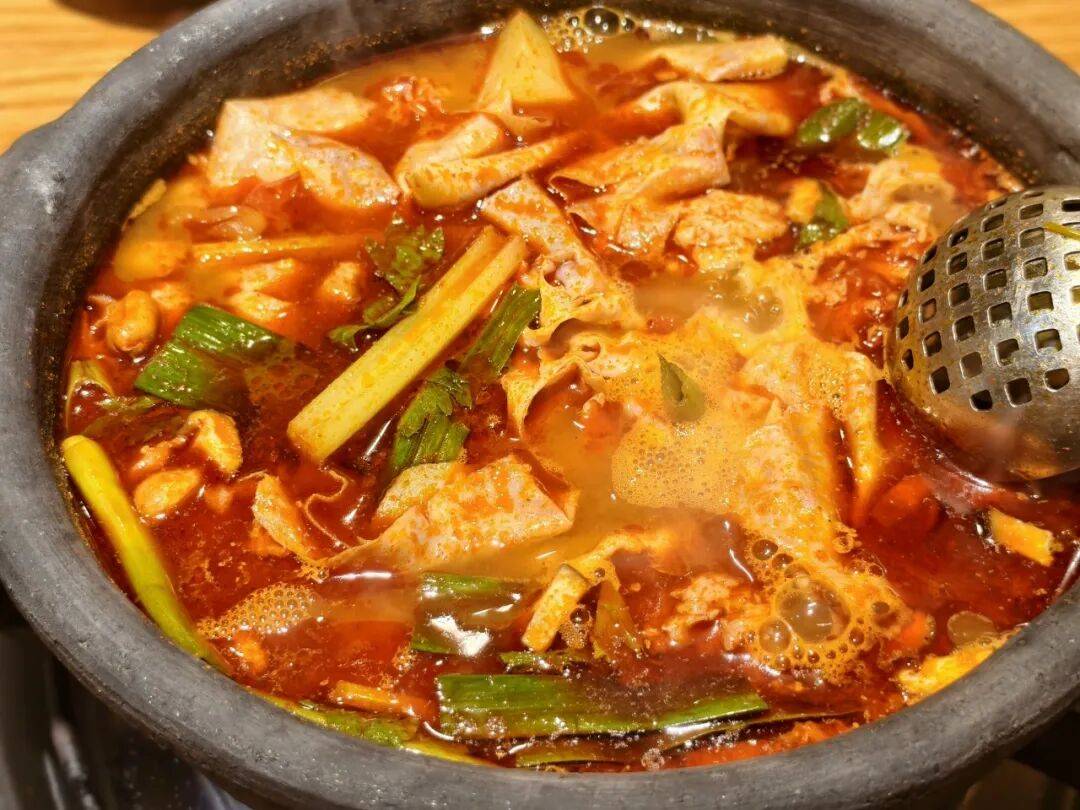
一线城市拼美学,下沉市场卖性价比,酸汤从出圈到全国化生存
Sou Hu Cai Jing· 2025-09-10 09:41
Market Overview - The market size of Chinese cuisine, specifically Yunnan-Guizhou cuisine, is projected to reach 36 billion yuan by 2025, representing a growth of 13.2% from 2023, outpacing the average growth rate of Chinese cuisine for three consecutive years [1] - The hot pot market is expected to expand to 650 billion yuan, but profitability for hot pot restaurants is becoming increasingly challenging due to intense competition [3] Hot Pot Trends - The rise of sour soup hot pot is notable, with an annual growth rate exceeding 25%, driven by its appeal to younger consumers seeking bold flavors and health-conscious options [3][4] - Flavor innovation is critical in a competitive market, with spicy flavors leading at 28.4% market share, followed closely by sour and clear broths at 23.0% and 21.6%, respectively [3] Health and Consumer Preferences - Sour soup hot pot's popularity is attributed to its health benefits, being lighter in oil and suitable for sensitive stomachs, making it a preferred choice for family gatherings [4] - The use of wild mushrooms and other local ingredients enhances the health attributes and regional characteristics of sour soup hot pot [4] Cultural and Marketing Strategies - Internet platforms, especially short video sites like Douyin, have significantly boosted the visibility of regional hot pot flavors, with Yunnan and Guizhou cuisine topics garnering over 10 billion views [6] - Cultural storytelling is becoming a key differentiation strategy, with brands incorporating local cultural elements into their dining experiences [7] Integration with Tourism - The integration of food and tourism is driving growth, with topics related to Yunnan tourism generating 134.6 billion views, leading to a 67% increase in restaurant consumption [8] Market Expansion and Challenges - As sour soup hot pot gains popularity, brands are focusing on refined operations and optimizing single-store models, particularly in lower-tier markets where disposable income is significant [9] - The industry faces challenges of homogenization, with many new stores focusing solely on sour soup offerings, and the need for standardization remains a critical issue [9][10] Supply Chain Considerations - The stability of supply chains is becoming a crucial factor in product strategies for hot pot companies, with many opting for direct sourcing and category adjustments to mitigate market fluctuations [10]