文化营销

Search documents
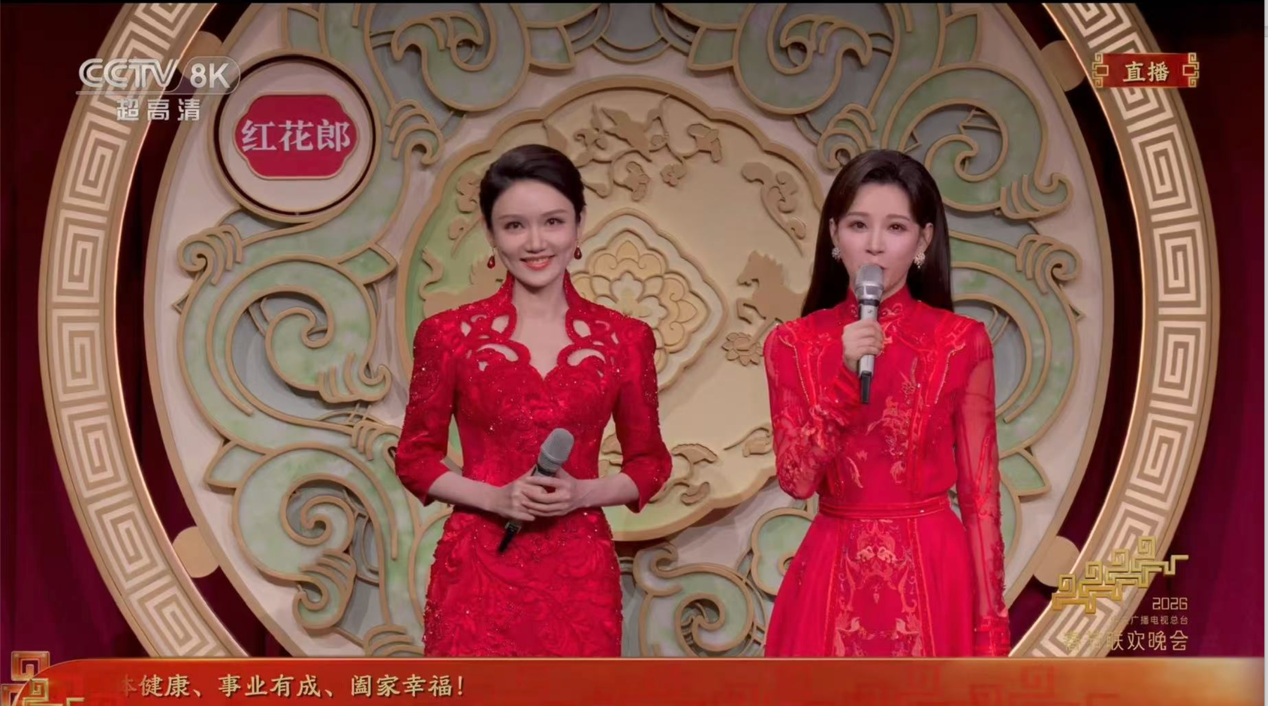
情暖万家团圆,展露时代风华:红花郎“红动中国、红暖万家、红遍全球”!
Xin Lang Cai Jing· 2026-02-22 11:46
Core Viewpoint - The article highlights the successful integration of the Honghua Lang brand into the cultural fabric of the Chinese New Year celebrations, particularly through its long-standing association with the CCTV Spring Festival Gala, enhancing brand recognition and cultural resonance among consumers [1][8]. Group 1: Brand Integration and Cultural Resonance - Honghua Lang has been a partner of the Spring Festival Gala since 2009, evolving from a guest to a family member of the event, creating a strong association with the New Year celebrations [1]. - The cultural program "He Hua Shen" showcased a deep connection between traditional Chinese aesthetics and Honghua Lang's brewing techniques, leading to positive reception and increased brand visibility [3]. - The brand's presence in various segments of the gala, including modern technological showcases, illustrates its ability to bridge traditional values with contemporary advancements [5]. Group 2: Marketing and Consumer Engagement - Honghua Lang launched a microfilm titled "Chinese Red in Time" to promote Sichuan New Year customs, enhancing its cultural storytelling and consumer engagement [5]. - A nationwide challenge on Douyin (TikTok) was initiated, allowing consumers to participate and win prizes, thereby increasing brand interaction and visibility across millions of users [5]. - The brand's marketing strategy aims to cover all sales and consumption scenarios, ensuring a robust presence in the market and driving sales growth [5]. Group 3: Global Outreach - Honghua Lang illuminated global landmarks with a 3D display of "Chinese Red," engaging audiences worldwide and inviting them to experience Chinese culture [6]. - The brand's presence at the United Nations during the Spring Festival showcased its international appeal and commitment to sharing Chinese traditions globally [5][6]. - The campaign emphasizes the brand's role as a cultural ambassador, connecting with both Chinese expatriates and international audiences [6].

故宫、非遗印上产品包装,休闲食品饮料主打文化牌
Xin Jing Bao· 2026-02-13 09:14
Core Insights - The leisure food and beverage market is experiencing a surge as the Chinese New Year approaches, with cultural elements becoming a key focus for brands [1][6] - Companies are integrating traditional culture and popular IPs, such as intangible cultural heritage and the Palace Museum, into their marketing strategies to enhance brand appeal during the festive season [1][4] Group 1: Cultural Marketing Strategies - Brands are leveraging cultural attributes as a primary marketing strategy, with a focus on traditional Chinese culture to resonate with consumer sentiments during the Spring Festival [2][6] - Coca-Cola has initiated a series of activities, including a themed fireworks display in Chongqing, to engage consumers both online and offline, continuing its tradition of incorporating cultural themes into its products since the 2022 Year of the Tiger [2][3] - Mondelez China is launching a range of festive gift boxes that blend traditional Chinese culture with creative design, responding to consumer demand for meaningful and aesthetically pleasing gifts [2][3] Group 2: Product Innovations - Brands like Master Kong are incorporating Eastern aesthetics into their New Year gift box designs, while Bawang Tea is introducing themed cups that reflect traditional Chinese literature, enhancing their brand narrative for the Year of the Horse [3][4] - Daqiao Beverage has collaborated with a traditional shadow puppet artist to create limited edition packaging that merges intangible cultural heritage with festive customs, making their products stand out [4][5] Group 3: Collaborations with Cultural Institutions - Collaborations with cultural institutions like the Palace Museum are becoming increasingly popular, with brands using these partnerships to create unique products that highlight Chinese cultural heritage [4][5] - Baicaowei has launched a "He" series of gift boxes inspired by the Palace Museum, showcasing the cultural richness of the Spring Festival [4][5] - The Palace Museum's cultural products are gaining international recognition, helping brands attract younger consumers and promote traditional Chinese culture [4][6]
金典携手马斯克!马年CNY又现王炸
Sou Hu Cai Jing· 2026-02-13 03:57
Core Insights - The article discusses how the traditional Chinese New Year is gaining global recognition and participation, with various cultures embracing its customs and celebrations [1][2][4] - The marketing campaign by Jindian Milk featuring Maye Musk is highlighted as a strategic move to connect with this global interest in Chinese culture [2][4][30] Group 1: Cultural Significance - The concept of "Nianwei" (the flavor of the New Year) is evolving, with international audiences increasingly engaging in Chinese New Year traditions [1][2] - Jindian Milk's advertisement featuring Maye Musk serves as a narrative that emphasizes cultural exchange and the growing global appreciation for Chinese traditions [4][30] Group 2: Marketing Strategy - The campaign is not merely a product promotion but a sophisticated narrative about cultural authority and the significance of the New Year [4][30] - Maye Musk's role as a cultural ambassador, exploring and learning about Chinese New Year, adds authenticity and relatability to the advertisement [12][19] Group 3: Brand Positioning - Jindian Milk successfully integrates its product into the cultural practices of the New Year, positioning milk as a symbol of health and well-wishing [18][30] - The advertisement leverages Musk's credibility as a cultural insider and a nutrition expert, enhancing the message that giving milk is synonymous with giving health [19][21] Group 4: Engagement and Humor - The campaign incorporates humor and relatable cultural references, making it appealing to both Chinese and international audiences [25][30] - The clever use of dialogue and cultural nods creates a buzz on social media, enhancing brand visibility and engagement [28][30] Group 5: Broader Implications - The marketing approach reflects a shift towards creating "cultural customers" who resonate with the brand's values and cultural narratives [30][32] - The campaign illustrates how Chinese New Year can be transformed into a global cultural event, showcasing the brand's confidence in its cultural heritage [32]

从“伊琍”到“金莎”,金沙新春双品牌营销“文化筑底”
Xin Lang Cai Jing· 2026-02-11 08:52
Core Viewpoint - The Chinese liquor industry, particularly the sauce-flavored liquor segment, is facing significant challenges in 2025, including production halts for small distilleries, a restructuring of pricing systems, and high channel inventories. However, Jinsha Liquor is leveraging its dual-brand strategy with "Summary" and "Jinsha Huai Sha" to enhance brand value amidst these pressures [1][10]. Group 1: Marketing Strategies - Jinsha Liquor has adopted a "listening persuasion" marketing approach by signing singer Jinsha as a brand friend, launching interactive topics such as "Shake with Jinsha" and "Cheers with Jinsha" to engage consumers [1][10]. - The collaboration with Jinsha, a well-known singer among the 80s and 90s generations, effectively connects with the core consumer demographic, enhancing brand recognition through phonetic association [4][13]. - The marketing strategy includes user-generated content (UGC) on platforms like Douyin, where consumers share personal experiences with Jinsha liquor, transforming them from passive viewers to active brand promoters [4][10]. Group 2: Cultural Integration - Jinsha Liquor's partnership with historian Yu Gengzhe aims to deepen cultural engagement, avoiding superficial marketing by embedding cultural narratives into brand storytelling [5][14]. - Previous initiatives, such as the "Beautiful Life·Book Fragrance China" event, have successfully linked the brand with cultural themes, reinforcing the "book and liquor coexist" philosophy [7][17]. Group 3: Product Focus - The marketing campaign is anchored on the launch of three new products related to the Year of the Horse, including the "Summary Year of the Horse" collectible liquor (1.5L) and gift boxes, designed to meet diverse consumer needs [9][19]. - A promotional campaign from January 1 to March 31 offers consumers a chance to win a 1.5L Jinsha Huai Sha Year of the Horse liquor or cash prizes through a QR code scanning initiative, ensuring a 100% winning rate [19][20]. - The dual-end strategy of incentivizing both consumers and store owners through the QR code campaign fosters a positive feedback loop, enhancing engagement and sales [20].
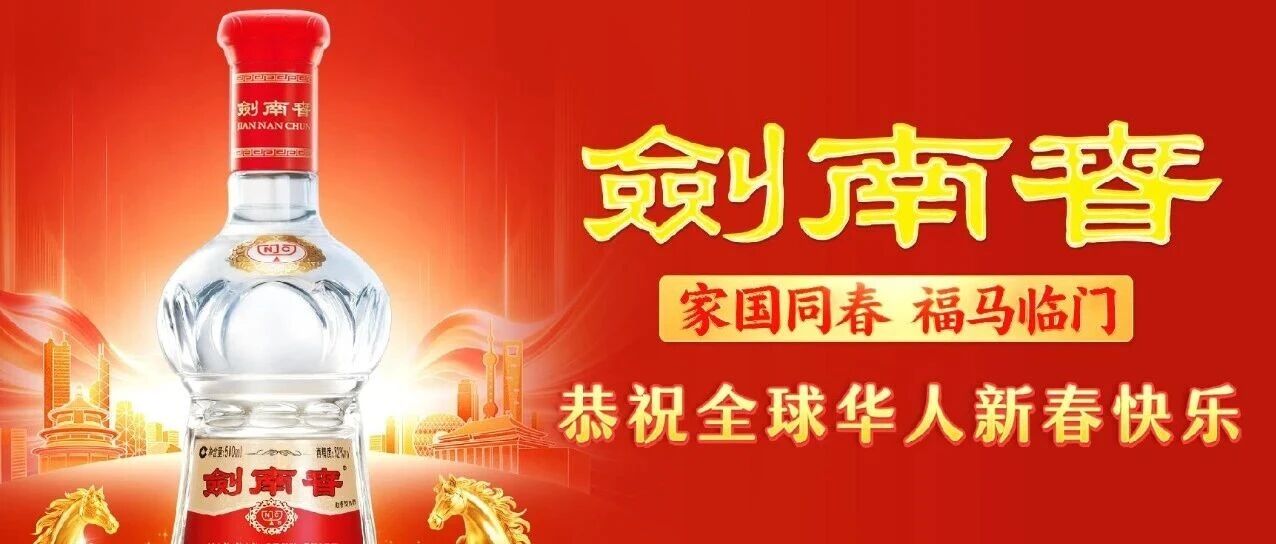
剑南春马年春节营销:以“家国情怀”为笔,绘就市场热销画卷
经济观察报· 2026-02-10 10:02
Core Viewpoint - The white liquor industry is transitioning from rapid growth to high-quality development, where brands that understand and meet consumer spiritual needs and build deep cultural connections will gain a competitive edge in the next industry cycle [1][20]. Group 1: Market Environment and Trends - As the Spring Festival approaches, the white liquor industry is experiencing a critical turning point amid deep adjustments, with the market showing a "three lows and one high" trend, indicating an anticipated industry inflection point [2][4]. - The market for zodiac liquor is projected to exceed 20 billion, but the growth rate has decreased by 5.3 percentage points compared to the previous year, indicating a shift in consumer focus towards cultural and emotional values [4][18]. Group 2: Cultural Marketing Strategies - Jian Nan Chun has integrated "national sentiment" into every aspect of its Spring Festival marketing, recognizing the industry's shift from material consumption to spiritual consumption, where cultural resonance is a key factor for consumer choice [4][10]. - The company has successfully engaged consumers through cross-industry collaborations, such as the Douyin micro-variety show "National Sentiment and Spring Flavor," which explores regional cultural nuances and enhances brand culture [5][10]. Group 3: Product Innovation - Jian Nan Chun's zodiac liquor, priced at 1,099 yuan, serves as a link between the "National Sentiment" theme and the Spring Festival market, featuring a design inspired by cultural heritage [7][10]. - The cultural strategy enriches the product's significance, while high-quality and distinctive products further support the cultural marketing efforts, creating a symbiotic relationship [10]. Group 4: Scene Integration - The importance of scene marketing is increasing, with consumers seeking holistic experiences tied to specific occasions and emotional atmospheres, driving brand growth [12][15]. - Jian Nan Chun has created diverse consumer experiences, from sponsoring local lantern festivals to organizing a New Year shopping festival, enhancing brand recognition and purchase desire [12][15]. Group 5: Long-term Cultural Strategy - The white liquor market is under pressure from deep adjustments while also seeing signs of consumer recovery, pushing the industry towards a "true value" competition phase [18][20]. - Jian Nan Chun's marketing actions during the Spring Festival reflect a strategic focus on cultural elements, meeting consumer demands for emotional value and cultural significance [18][20]. - The company's cultural strategy is not just a short-term marketing tool but a core aspect of long-term brand building, positioning it for success in the evolving white liquor industry [20].
剑南春马年春节营销:以“家国情怀”为笔,绘就市场热销画卷
Jing Ji Guan Cha Wang· 2026-02-10 09:38
Core Insights - The white liquor industry is experiencing a critical turning point amidst deep adjustments, with market expectations indicating an impending industry inflection point [1][2] - Jian Nan Chun has launched a vibrant Spring Festival marketing campaign themed "Family and Country in Spring, Fortune Comes with the Horse," focusing on cultural innovation, scene integration, and channel empowerment [1][2] Group 1: Cultural Breakthrough and Product Innovation - The white liquor market environment before the 2026 Spring Festival is complex, with the zodiac liquor market expected to exceed 20 billion, but growth has decreased by 5.3 percentage points compared to the previous year [2] - Jian Nan Chun integrates "family and national sentiment" into every aspect of its Spring Festival marketing, recognizing the shift from material to spiritual consumption in the white liquor industry [2][4] - The brand has successfully engaged consumers through cross-industry collaborations, such as the Douyin micro-variety show "Family and Country in Spring," which explores regional cultural characteristics [3][4] Group 2: Scene Integration - Scene marketing has become increasingly important in the competitive white liquor market, with consumers seeking overall experiences tied to specific occasions and emotional atmospheres [5] - Jian Nan Chun has sponsored the Deyang Lantern Festival, combining its thousand-year liquor culture with regional customs, enhancing consumer experiences [5][7] - The brand has also created a New Year shopping festival, allowing consumers to taste its products while shopping, thus increasing brand recognition and purchase desire [5][7] Group 3: Long-term Value of Cultural Strategy - The white liquor market is under pressure from deep adjustments while also seeing signs of consumer recovery, pushing the industry towards a "true value" competition phase [8] - Jian Nan Chun's marketing strategies during the Spring Festival reflect a focus on cultural elements, meeting consumer demands for emotional value and cultural significance [8][9] - The brand's successful "Family and Country in Spring" campaign illustrates the importance of understanding and fulfilling consumer spiritual needs in the evolving market landscape [9]
全球顶流LISA入局,CEO卸任!知名品牌同日两大重磅官宣
Sou Hu Cai Jing· 2026-01-22 04:20
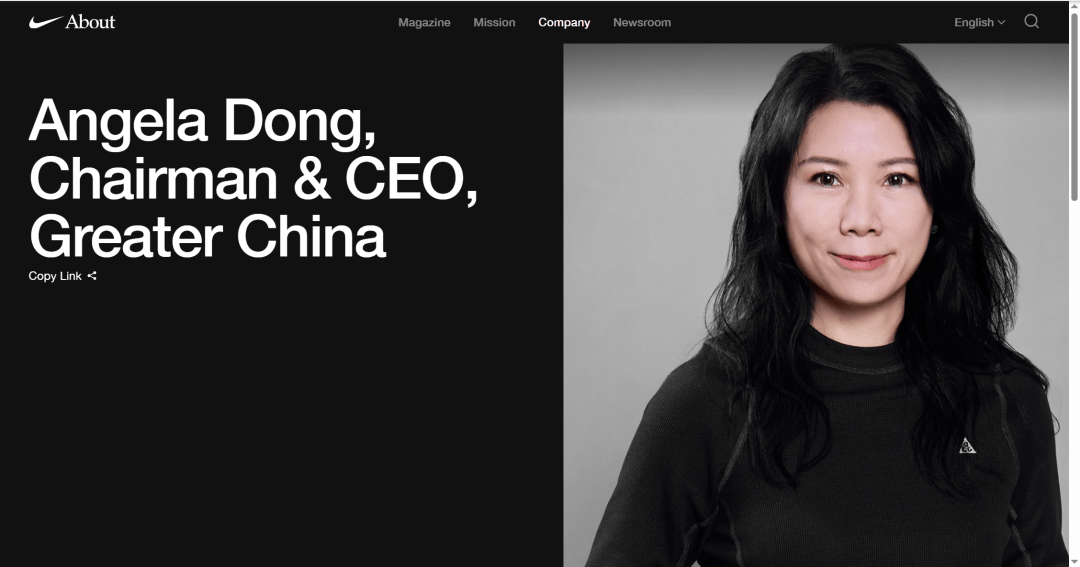
Core Viewpoint - Nike's leadership change in the Greater China region is seen as a strategic move to address declining performance, with Angela Dong stepping down and Cathy Sparks taking over amid significant revenue and profit declines in the region [1][5][12] Group 1: Leadership Change - Angela Dong, the current Chairman and CEO of Nike Greater China, will resign on March 31, with Cathy Sparks, who has 25 years of retail experience at Nike, set to replace her [1][3] - Dong's departure is unexpected, given her contributions to Nike's rapid expansion in China since joining in 2005, including building brand assets through sponsorships [3][5] - Nike's praise for Dong contrasts sharply with the declining performance metrics, highlighting the urgency for change in leadership [5][12] Group 2: Financial Performance - Nike's latest financial report shows a 17% year-over-year decline in revenue for the Greater China region, with a 49% drop in EBIT for the second quarter of the 2026 fiscal year [1][5] - Digital sales fell by 36%, and wholesale business decreased by 15%, raising alarms at Nike's global headquarters [5][12] - The CEO emphasized the importance of the Greater China market, stating it remains a priority and potential growth area, necessitating a shift in strategy to adapt to local market characteristics [5][12] Group 3: Strategic Shift - Cathy Sparks is expected to lead a strategic shift towards consumer insights and retail experience, moving away from the previous focus on stable operations [6][10] - Nike's recent marketing strategies, including signing global pop icon LISA, aim to engage a broader young consumer base and enhance brand appeal [10][12] - The transition from a "steady operator" to a "cultural disruptor" reflects Nike's desire to redefine trends and cultural influence in the market [12][15] Group 4: Market Challenges and Opportunities - Despite the challenges posed by local competitors like Anta and Li Ning, Nike is actively adjusting its strategies, including reducing inventory levels by 20% year-over-year [14][15] - Retail initiatives, such as store upgrades in key cities, have shown positive results, with a 25% increase in sales for upgraded product lines [14][15] - The effectiveness of Sparks' leadership in converting marketing efforts into sustainable market share growth will be critical for Nike's recovery in the Greater China market [15]

《舍得智慧人物》第七季收官:全网曝光72亿 品效协同筑牢品牌价值护城河
Zheng Quan Ri Bao Zhi Sheng· 2026-01-19 08:09
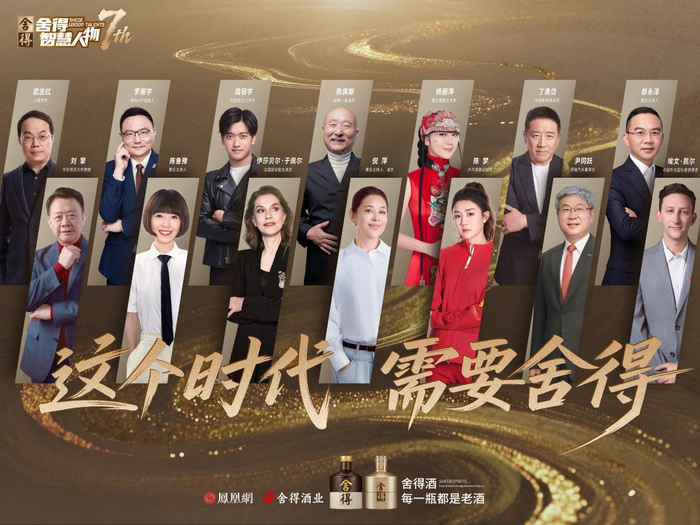
Core Insights - The seventh season of the high-end interview program "Shede Wisdom Figures" concluded on January 15, featuring 12 influential figures from various fields, achieving over 7.2 billion total exposures and appearing on 80 trending lists [1][3] Group 1: Program Overview - The program's theme "Gathering Life's Strength" resonated with public sentiment, showcasing stories of perseverance and success from guests like Zhou Guanyu and Yang Liping [5][7] - The series has evolved into a cultural IP that strengthens brand value and market dynamics, serving as a model for "content-driven growth" in the industry [3][9] Group 2: Marketing Innovations - The seventh season innovatively linked program content with annual marketing timelines, achieving synergy between content exposure, audience resonance, and sales conversion [3][9] - The program's integration into marketing strategies included live interactions and targeted events, effectively driving sales during key promotional periods [11] Group 3: Cultural Impact - The program has established a strong cultural presence, transforming abstract cultural concepts into relatable narratives that deepen public understanding of the brand's spirit [7][11] - The inclusion of international guests expanded the program's cultural reach, enhancing its global influence and appeal [5][7] Group 4: Brand Strategy - The series has transitioned from being a content benchmark to a market engine, facilitating a shift from cultural assets to market dynamics [9][11] - The brand's commitment to long-term cultural marketing has fortified its value proposition, creating a sustainable competitive advantage in the market [11]

青花汾酒携手央视跨年晚会共同启航2026
Xin Lang Cai Jing· 2025-12-31 04:04
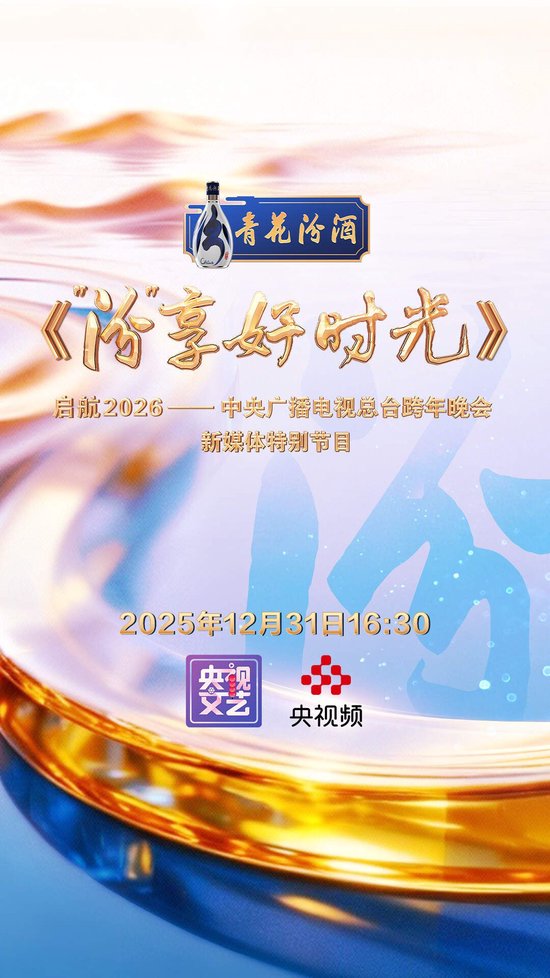
Core Viewpoint - The article highlights the successful integration of the Fenjiu brand into the cultural narrative of the New Year's Eve gala, showcasing its historical significance and cultural roots in the revolutionary area of Luliang, Shanxi [4][6][15]. Group 1: Event Overview - The "Set Sail 2026" New Year's Eve gala was held on December 31, 2025, in Luliang, Shanxi, and broadcasted across multiple channels by CCTV [1][10]. - The gala featured prominent hosts and artists, creating a rich audiovisual experience that reflects both contemporary and cultural themes [4][13]. Group 2: Brand Integration - Fenjiu's sponsorship of the gala represents a strategic move to embed the brand within a national cultural narrative, elevating its status beyond a mere beverage to a symbol of cultural identity [6][15]. - The event's location in the birthplace of Fenjiu emphasizes the brand's deep historical roots and connection to the revolutionary spirit of the region [4][12]. Group 3: Cultural Significance - The gala's theme resonates with the idea of celebrating ordinary happiness and warmth, aligning with Fenjiu's role in family gatherings and social interactions during the New Year [9][18]. - Fenjiu's marketing strategy has evolved to focus on cultural engagement, integrating its brewing heritage with local history and national pride [18]. Group 4: Quality and Tradition - Fenjiu boasts a 6000-year brewing history, utilizing traditional methods that reflect craftsmanship and quality [7][16]. - The meticulous production process, from ingredient selection to fermentation, underscores the brand's commitment to maintaining high standards [16].

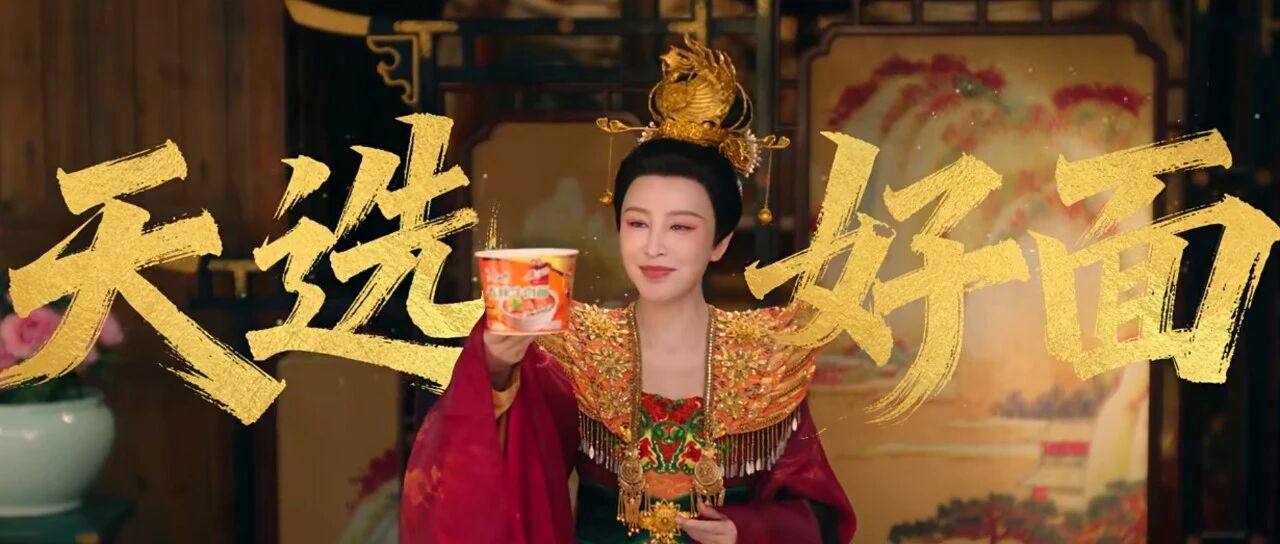
以文化为媒,康师傅用“在场感”重塑快消品牌增长逻辑
新华网财经· 2025-12-10 12:10
Core Insights - The fast-moving consumer goods (FMCG) industry, particularly the instant noodle segment, is at a critical transformation point, with growth entering a plateau phase and cultural consumption trends providing new momentum [2][3] - Traditional functional appeals of instant noodles are losing traction among younger consumers, while interest in traditional culture is rising, with 85.2% of consumers showing increased interest in traditional culture [2] - The integration of regional cultural elements into products, such as the surge in sales of culturally infused flavors like snail noodles, indicates a shift towards cultural resonance in consumer preferences [2] Group 1: Marketing Revolution - The ultimate battleground for marketing is in cultural recognition rather than mere product placement, necessitating a shift from one-way information dissemination to two-way co-creation of meaning [4] - Brands must transition from being "advertisers" to "content co-creators," from providing "product functionality" to delivering "cultural recognition," and from "one-time transactions" to building "emotional assets" [4][6] - The collaboration between brands and cultural narratives, such as the partnership between Kang Shifu and the popular IP "Tang Chao Gui Shi Lu," exemplifies how cultural foundations can enhance brand positioning [4][6] Group 2: Cultural Integration - Kang Shifu's collaboration with "Tang Chao Gui Shi Lu" innovatively integrates products into the narrative, making them key elements of the story rather than mere background props [7][10] - The use of AI technology to create customized content for characters enhances viewer engagement, transforming product exposure into a meaningful brand experience [10][12] - Over 60% of consumers are willing to pay a premium for products that offer cultural resonance, indicating a significant shift in consumer expectations [12][14] Group 3: Experience Creation - Kang Shifu's marketing strategy moves beyond passive demand fulfillment to actively creating new consumer experiences through cultural resonance and engagement [27][30] - The brand's initiatives, such as the "Chasing Drama Calendar" and the immersive "Kang Shifu Noodle Shop" experience, exemplify how to create a tangible connection between cultural narratives and consumer behavior [29][30] - By redefining itself as an essential component of the cultural experience, Kang Shifu establishes a competitive edge in the market [33] Group 4: Future Implications - The case of Kang Shifu and "Tang Chao Gui Shi Lu" illustrates that the most effective brand communication occurs when consumers are fully engaged in meaningful cultural experiences [35] - The integration of traditional culture into modern marketing strategies not only meets the demand for cultural recognition among younger consumers but also revitalizes traditional culinary heritage [35][36] - The future of competition will hinge on cultural interpretation, content co-creation, and the ability to define consumer experiences, marking a shift in the rules of engagement in the market [36]