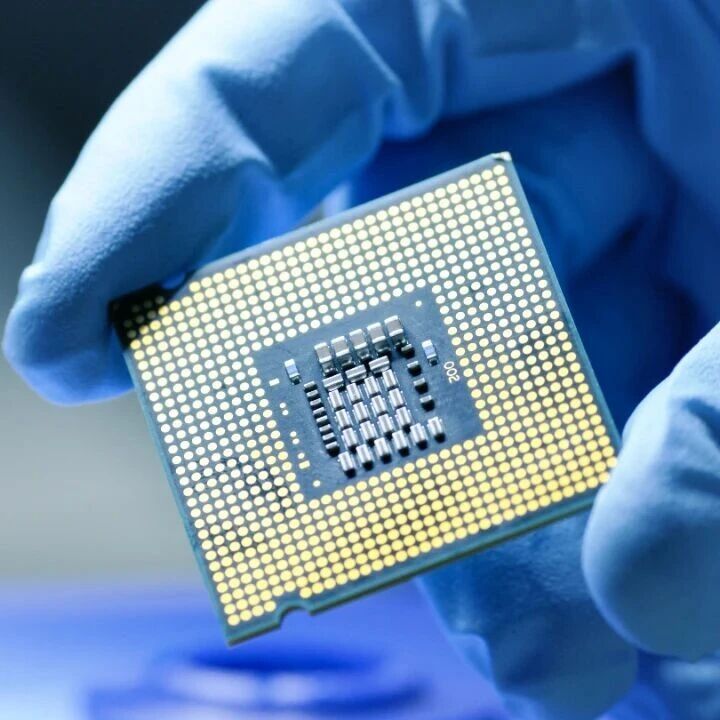
地缘政治围堵

Search documents
EUV突破后,美国AI与地缘的双重围堵已拉开
Xin Lang Cai Jing· 2025-12-24 00:44
Group 1 - The core argument of the articles revolves around the escalating technological competition between China and the United States, particularly in the fields of AI and semiconductor technology, with significant geopolitical implications [1][9][10] - The U.S. has allowed Nvidia to sell the H200 chip to China, which is a lower-performance version of the A100, indicating a strategic delay to keep Chinese AI companies dependent on imports while the U.S. focuses on its own AI advancements [2][3] - The U.S. is consolidating global capital for AI development, as evidenced by OpenAI's significant funding from major investors, which reflects a national strategy to maintain technological superiority over China [2][3] Group 2 - The U.S. military presence around Venezuela is aimed at countering China's influence, as Venezuela is a key oil supplier to China, highlighting the geopolitical maneuvering in resource control [5] - The U.S. is characterized as a "supercapitalist collective" rather than a traditional nation-state, with its legislative bodies acting in the interests of capital rather than the public [7] - The AI market is projected to reach $1.3 trillion by 2027, emphasizing the economic stakes involved in the competition, where losing AI leadership could threaten U.S. capital interests [7] Group 3 - The breakthrough in EUV technology represents a significant achievement for China, but it also opens up a more complex battleground involving U.S. strategies in AI and geopolitical resource control [9][10] - To counter U.S. efforts, China must focus on deepening its technological capabilities, particularly in AI algorithms, and strengthen partnerships with resource-rich countries to mitigate risks [9][10] - The integration of AI into traditional industries is essential for realizing its practical value, as seen in examples like BYD's AI quality inspection system and Alibaba's agricultural AI initiatives [9][10]

“安世困境”再上演!中资半导体收购,频陷海外干预漩涡
是说芯语· 2025-12-17 04:27
Core Viewpoint - The article discusses the forced divestment of Chinese investment firm Jian Guang Asset's stake in FTDI, a leading global USB bridge chip company, by the UK government under the pretext of national security, highlighting geopolitical challenges faced by Chinese semiconductor investments abroad [1][5]. Group 1: Investment Context - Jian Guang Asset acquired 80.2% of FTDI for $414 million in December 2021, targeting FTDI's unique value in the global semiconductor industry [3]. - FTDI, established in 1992 and headquartered in Glasgow, is a hidden champion in the USB bridge chip sector, holding nearly 20% market share and competing with major players like Texas Instruments and Infineon [3][4]. Group 2: Strategic Importance - FTDI's integrated "chip + software + standards" advantage is crucial for addressing China's shortcomings in high-end analog and mixed-signal chips, making the acquisition a key part of China's semiconductor "supply chain strengthening" strategy [4]. - The acquisition aimed to enhance China's integrated circuit industry by introducing advanced technology and industry ecosystems from FTDI, supporting national industrial upgrades [4]. Group 3: Geopolitical Implications - The UK government's intervention is seen as a violation of legal principles, as the acquisition occurred before the enforcement of the UK's National Security and Investment Act, raising concerns about selective enforcement driven by geopolitical motives [5]. - The forced sale not only risks a significant financial loss for Jian Guang Asset but also represents a missed opportunity for China to acquire critical technology and improve its semiconductor supply chain [5]. - This incident, alongside the previous case of Nexperia, illustrates a systemic geopolitical blockade faced by Chinese firms in acquiring core semiconductor assets overseas [5].
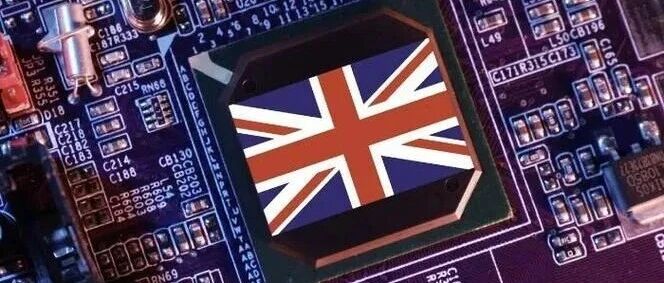
中资企业被强制出售海外芯片公司
半导体行业观察· 2025-12-11 01:23
Core Viewpoint - The UK government's forced sale of FTDI, a leading USB bridge chip company, under the pretext of "national security," reflects a growing trend of political interference in international semiconductor investments, following the Netherlands' intervention in the Nexperia case [1][10]. Group 1: FTDI Company Overview - FTDI (Future Technology Devices International) is a global leader in USB bridge chips, established in 1992 and headquartered in Glasgow, UK. The company specializes in the design, development, and sales of USB bridge chips, modules, cables, and supporting software, with applications in automotive electronics, IoT, industrial products, medical devices, new energy, and high-end consumer electronics [3][5]. - FTDI holds a nearly 20% market share in the USB bridge chip sector, competing with companies like Silicon Labs, Microchip, Texas Instruments, and Infineon. Its products are recognized for high-speed and super-speed USB 3.0 series, deeply integrated into the global supply chain of mainstream electronic products [5][6]. Group 2: Investment and Acquisition - In December 2021, Jian Guang Asset acquired 80.2% of FTDI for $414 million, aiming to leverage FTDI's integrated advantages of "chip + software + standards" to enhance China's semiconductor ecosystem [5][6]. - The acquisition was seen as a strategic move to fill the gap in high-end interface chips in China, supporting the country's integrated circuit industry and contributing to national industrial upgrades [6][7]. Group 3: UK Government Intervention - The UK government mandated the forced sale of FTDI by November 2025, citing vague "national security" concerns, which has been criticized for lacking substantial evidence and being politically motivated [1][9]. - The forced sale is characterized as an "administrative sell-off" with limited buyer options and insufficient bidding mechanisms, potentially leading to significant financial losses for the Chinese investors and hindering the progress of China's semiconductor supply chain [7][10]. Group 4: Implications for Global Semiconductor Industry - The intervention by the UK government raises concerns about the increasing politicization of international technology collaborations, threatening the established cooperative innovation systems in the global semiconductor industry [10]. - The FTDI case, alongside the Nexperia incident, signals a high political risk environment for international investments, potentially damaging the confidence of Chinese enterprises in investing in Europe and affecting the political trust and cooperation in China-EU economic relations [10][12]. Group 5: Strategic Recommendations - To navigate the current geopolitical landscape, the semiconductor industry in China should adopt a dual approach: advancing independent innovation to overcome critical technology barriers while fostering an open international cooperation environment to integrate global resources [14]. - The recent events highlight the need for collective efforts and strategic support from various sectors to address the challenges posed by political interference in technology investments [14].