USB桥接芯片

Search documents
海外并购资产遭遇强制出售,“FTDI案”进入关键节点
第一财经· 2026-02-07 14:56
Core Viewpoint - The article discusses the forced divestiture of the Chinese consortium's stake in the UK chip company Future Technology Devices International Limited (FTDI) due to national security concerns raised by the UK government, highlighting the implications for Chinese investments abroad in the context of geopolitical tensions [2][12]. Group 1: Background of FTDI and Acquisition - FTDI, established in March 1992 and based in Glasgow, UK, is a significant player in the USB bridge chip design market, holding nearly 20% of the global market share [4]. - In early 2021, a Chinese consortium acquired approximately 80.2% of FTDI through Dongguan Feite Holding Limited, with a total transaction value of about $414 million, funded by $364 million in domestic capital and a $50 million overseas bank loan [5][6]. - The acquisition was part of a competitive bidding process involving multiple international and Chinese companies, with the Chinese consortium ultimately winning the bid [7]. Group 2: National Security Review and Divestiture - Following the enactment of the National Security and Investment Act (NSIA) in January 2022, the UK government initiated a national security review of the FTDI acquisition in November 2023, leading to a ruling that the transaction posed a national security risk [8][14]. - The UK government mandated the Chinese consortium to divest its entire stake in FTDI by February 7, 2026, citing potential threats to national security [2][12]. - The Chinese consortium has sought extensions and proposed various compliance measures to retain ownership, but these efforts have not been accepted by the UK authorities [8][12]. Group 3: Financial Implications for Chinese Companies - Chinese listed companies, including Dalian Technology and Huapengfei, have disclosed potential significant financial impacts due to the forced sale, with Dalian Technology estimating a loss exceeding 200 million RMB and Huapengfei projecting a loss over 19 million RMB [10][11]. - The forced divestiture has raised concerns about asset impairment and investment losses, prompting these companies to reassess their overseas investment strategies in light of geopolitical risks [10][12]. Group 4: Broader Implications for Chinese Investments - The FTDI case reflects a growing trend where Western countries scrutinize Chinese acquisitions under the guise of national security, impacting the willingness of Chinese firms to engage in international mergers and acquisitions [14]. - Industry insiders suggest that geopolitical uncertainties will increasingly influence the risk assessment of overseas investments by Chinese companies, potentially leading to a more cautious approach in future transactions [14].



海外并购资产遭遇强制出售,“FTDI案”进入关键节点
Di Yi Cai Jing Zi Xun· 2026-02-07 13:40
Core Viewpoint - The forced sale of the Chinese-acquired UK chip company Future Technology Devices International Limited (FTDI) due to national security concerns has significant implications for Chinese enterprises' overseas mergers and acquisitions, prompting a reevaluation of geopolitical risks in such transactions [1][7]. Group 1: Background of FTDI and Acquisition - FTDI, established in March 1992 and based in Glasgow, is a key player in the global USB bridge chip design market, holding nearly 20% market share [2]. - In early 2021, a Chinese consortium acquired approximately 80.2% of FTDI through Dongguan Feite Holdings, with a total transaction value of about $414 million, funded by domestic and overseas financing [2][3]. - The acquisition was part of a competitive bidding process involving multiple international and Chinese companies, with the Chinese consortium ultimately winning [3]. Group 2: Regulatory Developments - The UK government initiated a national security review of the FTDI acquisition in November 2022, leading to a decision in November 2023 that mandated the Chinese consortium to divest its stake due to potential national security risks [3][6]. - The UK High Court upheld the forced sale decision in February 2025, reinforcing the requirement for the Chinese consortium to sell its shares [3]. Group 3: Financial Implications for Chinese Companies - Chinese listed companies, including Delian Technology and Huapengfei, have disclosed potential significant financial impacts due to the forced sale, with Delian estimating a loss exceeding 200 million RMB and Huapengfei projecting a loss over 19 million RMB [5]. - The uncertainty surrounding the final outcomes of the divestiture and its financial implications remains a concern for these companies [5]. Group 4: Broader Industry Impact - The FTDI case highlights the increasing scrutiny of Chinese investments in foreign companies, with geopolitical factors now playing a more prominent role in merger and acquisition decisions [7]. - The Chinese consortium is actively seeking additional time to manage the divestiture process and minimize losses, while facing challenges in finding buyers due to the designation of "national security risk" [6][7].
中国财团集体“团灭”,英国芯片FTDI跨国并购崩盘
Sou Hu Cai Jing· 2026-02-02 11:21
Core Viewpoint - The article discusses the significant financial losses faced by Shenzhen-based company Dianlian Technology due to a forced divestment of its stake in FTDI, a UK-based USB bridge chip company, following a government mandate. This situation has led to a drastic decline in Dianlian's stock price and raised concerns about the management and oversight of the investment process. Group 1: Financial Impact - Dianlian Technology's stock price fell from 70 yuan at the beginning of 2025 to 42.68 yuan by the end of January 2026, marking a nearly 40% decline [2] - The investment in FTDI is expected to result in a loss exceeding 200 million yuan for Dianlian Technology [3] - Other investors, such as Huapengfei, anticipate losses over 19 million yuan due to their stake in Dongguan Feite [3] Group 2: Investment Background - In 2021, Dianlian Technology acquired a 21.17% stake in Dongguan Feite, which holds 80.2% of FTDI [2] - The acquisition was financed through a combination of 364.14 million USD in domestic funds and 50 million USD in overseas loans, totaling approximately 4.1414 billion USD [8] - The deal was completed on February 11, 2022, but was soon complicated by the UK's National Security and Investment Act, which allows for retrospective reviews of transactions [9][11] Group 3: Management and Oversight Issues - Concerns have been raised regarding the management of the investment by Jian Guang Asset, which was responsible for orchestrating the acquisition [5] - Investors were reportedly not informed about the retrospective review clause in the UK law, which could have influenced their decision to invest [15][16] - There are allegations of mismanagement, with investors claiming they were not kept informed about the operational details of FTDI post-acquisition [19] Group 4: Market Dynamics and Strategic Failures - FTDI, a company with a significant market share in USB bridge chips, faced a sudden decline in performance, which affected investor confidence [7][24] - The management team of FTDI exercised their right of first refusal to repurchase shares at a significantly lower price, raising suspicions of a strategic plan to benefit from the situation [23][28] - The original intent of the investment was to bring advanced technology to China, but this goal has not been realized due to the lack of access to core technologies [29] Group 5: Legal and Compliance Challenges - Jian Guang Asset has faced accusations of failing to adhere to the partnership agreement, which required investor consent for significant decisions [31] - The firm has attributed the losses to external regulatory pressures rather than internal mismanagement, claiming compliance with legal requirements [34] - The ongoing situation involves complex legal negotiations and potential liabilities for the investors involved [36]

以数据见证专业:QYResearch 2026年01月行业数据引用案例精选集合
QYResearch· 2026-01-30 09:50
Group 1 - QYResearch is recognized for its authoritative industry analysis and customized reports, widely cited by numerous domestic and international enterprises, securities firms, and media [2] - The global laser communication terminal market is projected to surge to $2.948 billion by 2031, with a compound annual growth rate (CAGR) of 45.0% from 2025 to 2031 [5] - The global hot runner market report indicates that Hengdao Technology's market share was only 2.07% in 2022, ranking sixth in the industry, which contradicts other public information [8] Group 2 - The near-space travel market in China is expected to reach $894 million by 2032, with a CAGR of 13.6% from 2026 to 2032 [10] - The USB bridge chip market report shows that Qinheng Microelectronics is ranked ninth globally and first domestically in sales revenue for 2024 [12] - The global multi-fingered dexterous robot hand market is forecasted to exceed $5 billion by 2030, with a CAGR of 64.6% from 2024 to 2030 [15] Group 3 - The global repair equipment market is expected to grow from $3.7 billion in 2024 to $8.49 billion by 2030, with a CAGR of 13.8% [17] - The mild hyperbaric oxygen chamber market is projected to reach $321.83 million by 2030, with a CAGR of 14.88% from 2024 to 2030 [20] - The medical low-value consumables market is expected to grow at a CAGR of 8.3% from 2024 to 2031, driven by an aging population and rising chronic disease rates [22] Group 4 - The low-temperature dairy products market is anticipated to exceed 70 billion yuan by 2025, with QYResearch highlighting Junlebao's strategic positioning in this sector [25] - The global drone market is projected to grow significantly, with consumer drones contributing approximately 35% of market revenue in 2024 [28] - The semiconductor metrology and inspection market is expected to reach $27.76 billion by 2030, with a CAGR of 8.1% from 2024 to 2030 [29] Group 5 - The gallium arsenide solar cell market is expected to see significant growth, with over 95% of space equipment powered by these cells [31][43] - The wireless charging chip market is projected to rank first domestically and among the top three globally in 2023 and 2024 [44] - The global algae oil DHA market is expected to grow from $604 million in 2024 to $1.377 billion by 2031, with a CAGR of 12.7% [48]

心智观察所:中资芯片的绝境反击之路
Guan Cha Zhe Wang· 2026-01-19 00:55
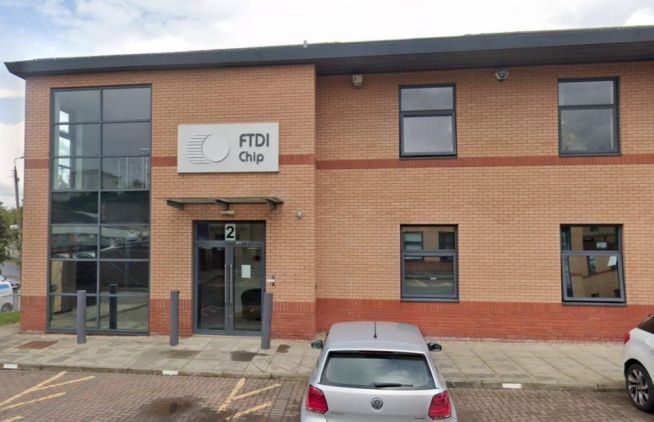
Core Viewpoint - The global semiconductor industry is facing unprecedented fractures, particularly affecting Chinese investments abroad, as geopolitical tensions escalate and national security concerns are weaponized against foreign acquisitions [1][6]. Group 1: Investment and Acquisition - In December 2021, a Chinese investment firm, Jian Guang Asset, acquired 80.2% of FTDI for $414 million, marking a significant step for China's semiconductor industry to fill its technology gaps [3][4]. - FTDI, a leader in USB bridge chips with nearly 20% global market share, was expected to integrate into a Chinese A-share listed company, enhancing the domestic semiconductor ecosystem [3][4]. Group 2: Regulatory Challenges - In November 2024, the UK government initiated a retrospective investigation under the National Security and Investment Act, citing vague national security risks despite FTDI's civilian focus [4][5]. - The UK government set a deadline of December 2025 for the forced sale of FTDI shares, risking significant financial losses for Jian Guang Asset due to a lack of competitive bidding [5][6]. Group 3: Legal and Political Implications - The legal framework has been weaponized, allowing governments to retroactively challenge completed transactions, undermining the predictability of international investments [8][13]. - The case of FTDI reflects a broader trend where Chinese acquisitions are scrutinized under the guise of national security, impacting the global semiconductor supply chain [6][9]. Group 4: Responses and Strategies - Chinese companies are exploring international arbitration and local partnerships to mitigate risks associated with foreign investments, while also accelerating domestic supply chain development [11][12]. - The strategy of "dual-track" development—engaging in global supply chains while fostering local capabilities—has become essential for Chinese firms to navigate geopolitical challenges [11][15]. Group 5: Industry Outlook - The ongoing geopolitical tensions and regulatory hurdles are pushing the semiconductor industry towards fragmentation, threatening the collaborative nature that has historically characterized it [8][14]. - The situation underscores the need for transparent and predictable international rules to prevent the semiconductor sector from becoming a casualty of great power competition [15].
中资芯片的绝境反击之路
Guan Cha Zhe Wang· 2026-01-19 00:44
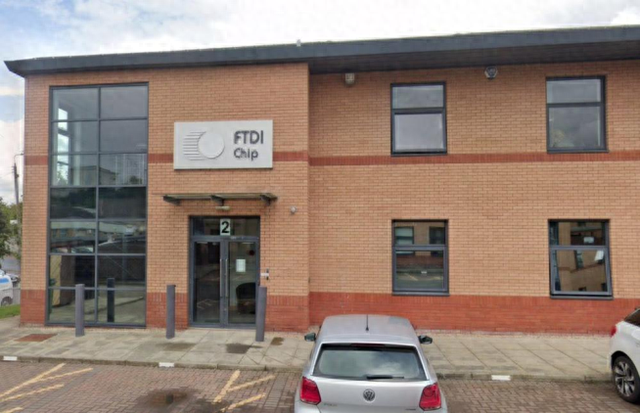
Core Viewpoint - The global semiconductor industry is facing unprecedented fractures, particularly affecting Chinese investments in overseas semiconductor companies due to geopolitical tensions and national security concerns [1]. Group 1: Investment and Acquisition - In December 2021, a Chinese investment firm, Jian Guang Asset, acquired 80.2% of FTDI for $414 million, marking a significant step for China's semiconductor industry to fill its technology gaps [3]. - FTDI, a leader in USB bridge chips, holds nearly 20% of the global market share and serves various sectors including automotive electronics and medical devices [3]. - The UK government initiated a retrospective investigation into this acquisition under the National Security and Investment Act, citing vague national security risks despite FTDI's civilian focus [4][5]. Group 2: Legal and Regulatory Challenges - The UK government set a deadline of December 2025 for the forced sale of FTDI shares, which could lead to significant financial losses for Jian Guang Asset due to a lack of competitive bidding [5]. - Jian Guang Asset attempted to challenge the UK government's order in court, but the court upheld the government's decision, emphasizing the importance of national security [5][6]. - The situation reflects a broader trend of using legal frameworks as tools for geopolitical maneuvering, particularly against Chinese investments in advanced technologies [6][8]. Group 3: Broader Implications for the Semiconductor Industry - The ongoing geopolitical tensions are leading to a fragmentation of the semiconductor supply chain, which could increase costs and hinder innovation across the industry [8][9]. - The case of Nexperia in the Netherlands illustrates the unintended consequences of government interventions, which can disrupt entire supply chains and affect numerous downstream customers [9][10]. - China's response to these challenges includes accelerating domestic production capabilities and seeking alternative supply chains to mitigate geopolitical risks [11][12]. Group 4: Future Outlook and Strategies - Chinese companies are exploring international arbitration to challenge governmental interventions, aiming to set precedents for future cases [11]. - The trend of "decoupling" from international supply chains is becoming more pronounced, as companies seek to ensure production continuity amid geopolitical uncertainties [10][11]. - The semiconductor industry is at a crossroads, with the need for transparent and predictable international rules becoming increasingly critical to avoid further fragmentation and to foster cooperation [15].

突发!特朗普否决涉华芯片交易,解密对华遏制“组合拳”
是说芯语· 2026-01-03 10:21
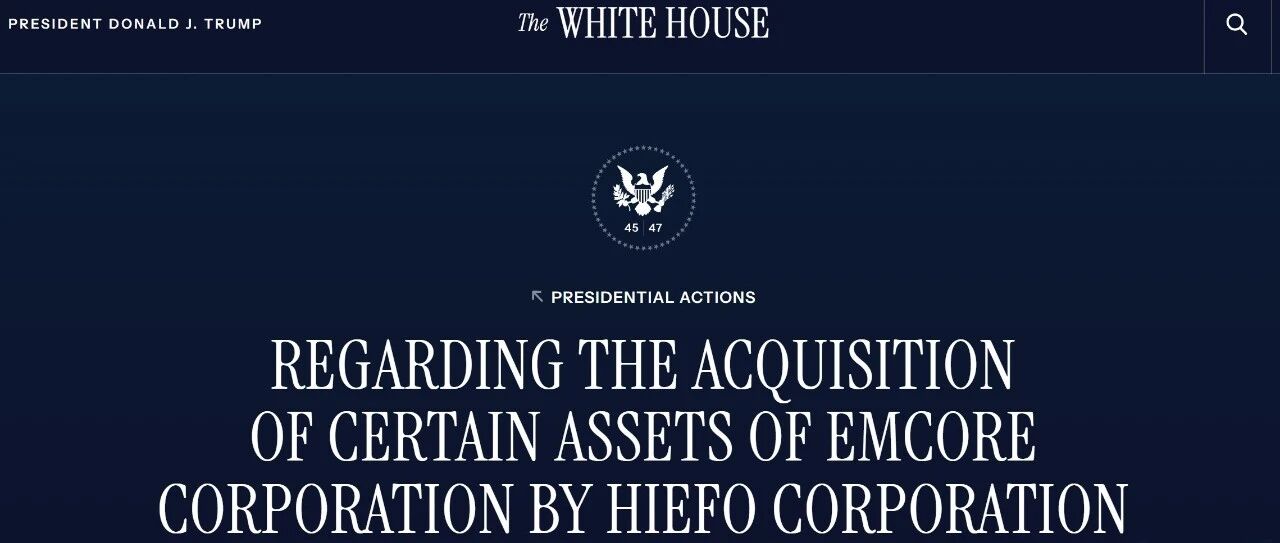
Core Viewpoint - The article discusses the recent intervention by the Trump administration requiring the Chinese-controlled U.S. company HieFo to divest its semiconductor assets, highlighting a systematic trend of the U.S. and its allies to curb Chinese semiconductor enterprises' overseas expansion [1][8]. Group 1: HieFo Acquisition Background - HieFo acquired EMCORE's digital chip and related wafer design, manufacturing, and processing business for approximately $2.92 million on April 30, 2024, as EMCORE faced severe operational pressures due to continuous losses in 2023 [3]. - EMCORE's core products, which include critical components for the U.S. military, embedded the company deeply within the defense supply chain, setting the stage for potential U.S. government intervention [3]. Group 2: U.S. Government Intervention - The intervention was triggered by HieFo's ownership structure, with control held by a Chinese national who previously served as EMCORE's engineering vice president. The U.S. claimed that HieFo did not proactively report the acquisition to the Committee on Foreign Investment in the United States (CFIUS) [4]. - CFIUS utilized enhanced monitoring powers under the Foreign Investment Risk Review Modernization Act (FIRRMA) to initiate a review of the non-reported transaction, revealing the expanded authority of CFIUS to retroactively review completed transactions [4]. Group 3: Broader Implications and Patterns - The HieFo incident is part of a broader pattern of interventions, including the Netherlands' ASML semiconductor case and the UK's FTDI equity divestment, all of which share a common theme of using "national security" as a pretext without substantial evidence [5][6]. - These interventions target the semiconductor sector, aiming to block Chinese access to critical technologies and maintain Western technological dominance [6]. Group 4: Impact on Global Semiconductor Industry - The forced divestiture of HieFo's assets could disrupt global contracts and intellectual property, affecting technology development and production capacity [7]. - Similar actions in the ASML and FTDI cases have already led to significant disruptions in the global semiconductor supply chain, highlighting the potential for increased costs and inefficiencies across the industry [7]. Group 5: Conclusion on U.S. Strategy - The article concludes that the U.S. and its allies are employing overt technology protectionism under the guise of national security, aiming to stifle the development of China's semiconductor industry and preserve their technological hegemony [8][9]. - This trend poses risks for Chinese enterprises seeking overseas investments and could hinder global technological innovation and cooperation, ultimately harming collective interests [9].
第2个抢劫中国资产的国家出现,中国企业退出,整个欧洲信誉破产
Sou Hu Cai Jing· 2025-12-31 13:18
Group 1 - The Netherlands and the UK are taking actions against Chinese investments in semiconductor companies, citing "national security" concerns, which undermines the credibility of European nations [2][4] - Nexperia, a subsidiary of Wingtech Technology, was acquired by Chinese capital in 2019, leading to significant improvements in its financial performance, with revenue projected to reach €284 million by 2024 [2] - The Dutch government issued an administrative order on September 30, 2025, to freeze Chinese control over Nexperia, causing disruptions in the global supply chain, particularly in the automotive sector [2][6] Group 2 - In 2021, China Jian Guang Asset acquired 80.2% of UK-based FTDI for $414 million, turning around its financial situation within a year, with net profit rising to $13.03 million and a gross margin exceeding 70% [4][6] - The UK government ordered Jian Guang Asset to divest its shares in FTDI by November 5, 2024, again citing national security as the reason [4][6] - The actions taken by the UK and the Netherlands reflect a broader trend of Western nations reacting to Chinese investments in the semiconductor sector, leading to a decline in Chinese investments in Europe [8][10] Group 3 - The U.S. Department of Commerce added Jian Guang Asset, Wingtech Technology, and Zhilu Capital to its entity list on December 5, 2024, restricting technology exports to these companies [6] - The European economy is already facing challenges, with a projected GDP growth of only 1.1% in spring 2025, which was later adjusted to 1.4% in autumn, indicating ongoing economic uncertainty [8][10] - The tightening of foreign investment rules in Europe, particularly against Chinese companies, is expected to harm local economies and innovation, leading to increased unemployment and a decline in investment activity [10]

喜娜AI速递:今日财经热点要闻回顾|2025年12月31日
Xin Lang Cai Jing· 2025-12-31 12:04
Group 1 - Chinese semiconductor firm Jian Guang Asset is forced to sell 80.2% of its stake in FTDI due to UK government intervention citing national security risks, potentially leading to significant losses for the company and its shareholders [2][7] - The precious metals market experienced significant volatility, with silver prices dropping 9.08% and gold prices falling by 1.50% on December 31, attributed to factors such as profit-taking and changes in trading conditions [2][7] - The RMB/USD central parity rate was adjusted to 7.0288, marking the highest level since September 30, 2024, with offshore RMB breaking below 6.99 [2][7] Group 2 - The A-share market showed strong performance in 2025, with the Shanghai Composite Index reaching 4000 points and total trading volume hitting 419.86 trillion yuan, indicating a bullish outlook for 2026 [3][8] - The 2026 "Two New" policy optimizes subsidy standards for the automotive industry, with a total of 625 billion yuan allocated to support the replacement of consumer goods [3][8] - The first national standard for solid-state batteries was released, aiming to regulate the industry and promote its mature development [3][8] Group 3 - Geely's subsidiary, Weirui Power, is suing Awin for 2.314 billion yuan over battery quality issues related to the Zeekr 001 model, which may lead to significant industry restructuring [4][9] - Zijin Mining expects a net profit of approximately 51-52 billion yuan for 2025, a year-on-year increase of about 60%, supported by rising gold prices [4][10] - CITIC Securities identified ten macro opportunities for 2026, including the continued accumulation of gold reserves and the integration of new technologies [4][10] Group 4 - China Energy Equipment announced the termination of an over 800 million yuan acquisition of three high-voltage electrical companies to avoid potential financial losses [5][10]

中国AI公司,140亿闪电卖给扎克伯格;雷军感冒,分拆小米YU7延迟;又有中资半导体企业,遭强制出售;基金业“顶流”王宗合病逝|| 大件事
Sou Hu Cai Jing· 2025-12-31 11:58
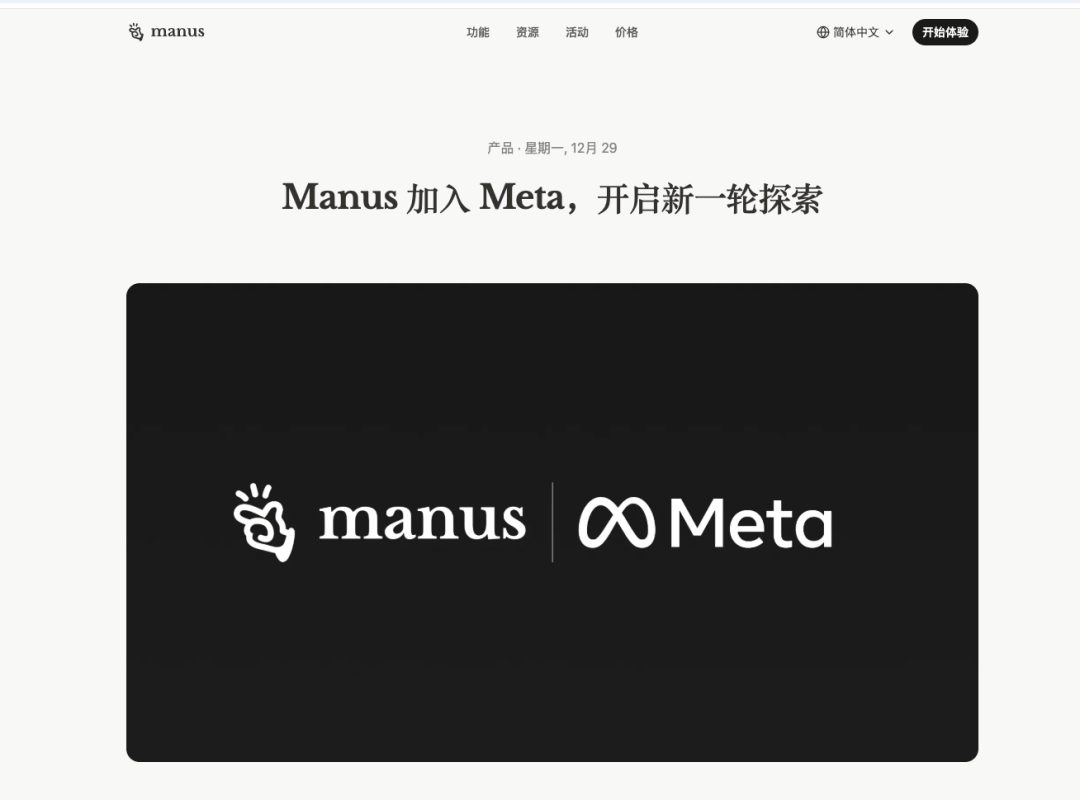
Group 1 - Meta has announced the acquisition of Manus's parent company, Butterfly Effect, for over $2 billion, marking Meta's third-largest acquisition to date [4] - The negotiation period for the acquisition was notably brief, lasting only about ten days from initial contact to agreement [4] - Following the merger, Butterfly Effect will continue to operate independently while integrating with Meta's core consumer products [4] Group 2 - Manus's founder, Xiao Hong, will join Meta as a Vice President, reporting directly to CEO Mark Zuckerberg, focusing on AI agent technology and product direction [4] - Manus launched its general AI Agent product in March 2025, which is recognized as the first true general intelligence agent [5] - The company achieved an annual recurring revenue (ARR) of over $100 million by December 2025, shortly before receiving the acquisition offer from Meta [5] Group 3 - Prior to the acquisition, Butterfly Effect had completed four rounds of financing, with a post-money valuation reaching nearly $500 million by April 2025 [5] - The company was initially valued at $14 million after its seed round in February 2023 [5] - The rapid growth and valuation increase of Manus attracted significant interest from major venture capital firms and tech companies [5]