地缘格局

Search documents
2026年钴行业策略:地缘格局引机遇,供减需增价格望新高
Orient Securities· 2026-02-11 13:15
Core Insights - The cobalt industry is expected to experience a significant price increase due to geopolitical factors and supply constraints, with prices likely reaching new highs by 2026 [2][4][10] - The Congo (DRC) quota system is driving the global cobalt market's pricing power, with supply constraints becoming more influential than simple supply-demand dynamics [4][6][10] Group 1: Overall Industry Outlook - The year 2025 marks a critical turning point for the cobalt industry, transitioning from a supply surplus to a structural shortage, which is expected to continue into 2026 [10][11] - The global cobalt supply is highly concentrated, with the DRC accounting for approximately 76% of global production, making the market sensitive to geopolitical and policy changes [41][50] Group 2: Supply Dynamics - The DRC's export quota for cobalt is set at 96,600 metric tons annually for 2026-2027, a 55% reduction from 2024 levels, leading to a structural supply gap of 91,000 and 112,000 metric tons in 2026 and 2027, respectively [6][10] - The supply of cobalt from artisanal mining is expected to remain limited due to government control and quota restrictions, impacting overall market supply [61] Group 3: Demand Projections - Battery applications dominate cobalt demand, accounting for 73% of total consumption, with electric vehicle batteries being the primary growth driver [4][19] - The demand for cobalt in the consumer electronics sector is also expected to recover, with a projected compound annual growth rate (CAGR) of approximately 5% over the next three years [4][19] Group 4: Price Outlook - The pricing mechanism for cobalt is shifting from a cost-based model to one driven by supply shortages and geopolitical risks, suggesting that cobalt prices will remain elevated in the long term [11][10] - Cobalt prices are projected to maintain high levels due to the structural supply-demand imbalance, with significant price increases observed following policy changes in the DRC [15][38] Group 5: Investment Recommendations - Key investment targets include Huayou Cobalt, Luoyang Molybdenum, Tengyuan Cobalt, and Greeenme, all of which are positioned to benefit from the anticipated price increases and supply constraints in the cobalt market [4][6]



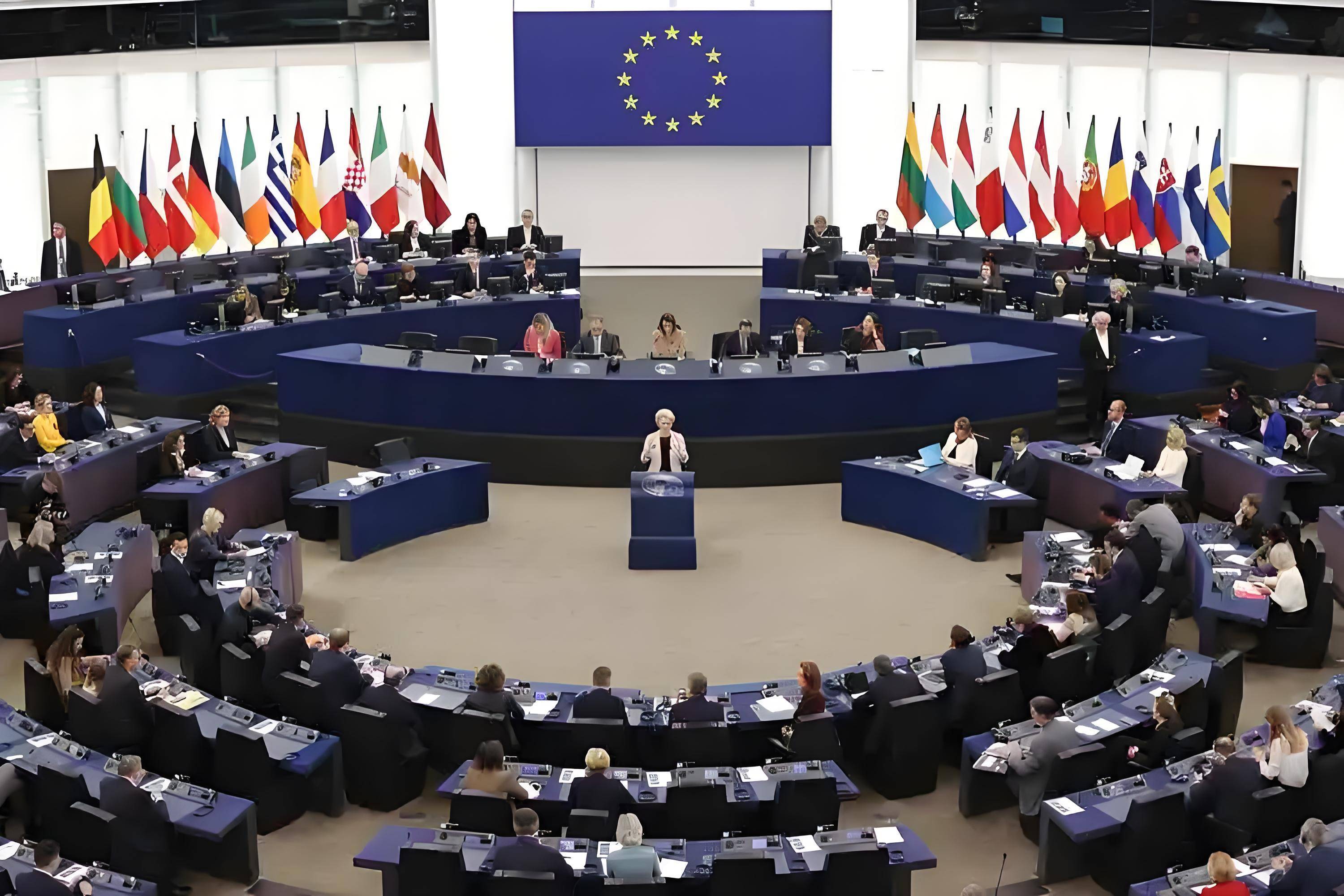
突发特讯!欧盟将举行紧急会议,商讨格陵兰岛及美关税问题,引发全球高度关注
Sou Hu Cai Jing· 2026-01-18 05:20
Core Viewpoint - The article discusses the geopolitical implications of President Trump's threat to impose tariffs on eight European countries unless they agree to sell Greenland, highlighting the underlying competition for Arctic resources [1][4]. Group 1: Tariff Threat and Geopolitical Context - The U.S. plans to impose a 10% tariff starting February 1, escalating to 25% in June on Denmark and seven other European nations unless they agree to "completely and thoroughly sell Greenland" [1] - Greenland is strategically significant, possessing a quarter of the world's rare earth reserves and controlling future Arctic shipping routes [4] - The timing of the tariff threat coincides with military exercises involving multiple countries on Greenland, indicating a deeper strategic maneuver by the U.S. [4][6] Group 2: Rare Earth Resources and Economic Implications - Greenland's rare earth oxide reserves are estimated at 38.5 million tons, with critical materials like praseodymium and neodymium essential for the renewable energy sector [6] - Chinese investments in Greenland's southern rare earth mining areas account for 12%, which may explain U.S. concerns regarding resource control [6] Group 3: EU's Response and Strategic Considerations - The EU is considering two countermeasures: initiating WTO dispute resolution and coordinating member states on U.S. export controls [8] - The situation reflects a shift in how geopolitical conflicts are managed, with tariffs being used as leverage in resource competition [9] - The EU's unified stance against the U.S. indicates a significant shift in international relations, emphasizing sovereignty over economic concessions [8][9]