
城乡一体化发展

Search documents
新年画映照新风尚(深观察)
Ren Min Ri Bao Hai Wai Ban· 2026-02-26 22:56
Core Viewpoint - The "New Life · New Style · New Year Painting" art exhibition showcases 302 traditional and contemporary New Year paintings, reflecting the vibrant changes in modern Chinese society and culture during the Spring Festival [2][4][9]. Group 1: Event Overview - The exhibition is organized by multiple cultural and artistic institutions and aims to present a rich artistic experience filled with cultural significance during the Spring Festival [2]. - A total of 7,000 artworks were submitted, marking a historical high, from which 302 were selected for display based on their artistic and thematic qualities [5][9]. - The event features both online and offline activities, enhancing accessibility and engagement for a wider audience [4][6]. Group 2: Artistic Themes and Styles - The exhibition is divided into four thematic sections: "Welcoming Spring with Horses," "Happy Songs of Happiness," "Abundant Harvest," and "Beautiful Future," showcasing a variety of styles and subjects [7]. - Many artworks incorporate traditional elements while also reflecting contemporary life, such as the themes of prosperity and happiness, as seen in pieces like "Fish Full Warehouse" and "Rushing to the Sea on the Golden Sands" [7][8]. - The integration of modern themes, such as technology and rural development, is evident in works like "Urban-Rural Intelligent Creation" and "Digital Ancient Village," highlighting the fusion of tradition and modernity [8]. Group 3: Audience Engagement and Experience - The exhibition has upgraded its presentation methods by incorporating digital and interactive elements, allowing visitors to engage more deeply with the artworks [6]. - Features such as digital guides and interactive zones enhance the viewer's experience, making the art more accessible and engaging [6]. - The event aims to bring traditional cultural resources to grassroots communities, promoting cultural innovation and revitalization [9].

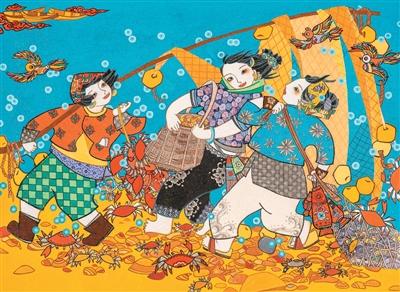
在美丽乡村过大年
Ren Min Ri Bao· 2026-02-19 00:08
Core Insights - The article highlights the successful implementation of ecological and sustainable agricultural practices in various villages across China, showcasing how these initiatives have improved local economies and living conditions while preserving the environment [12][14][17][21][25]. Group 1: Agricultural Innovations - In Guizhou's Jinhua Village, the introduction of modern tea management techniques has led to an increase in tea garden size to over 6,000 acres, generating an annual output value exceeding 40 million yuan [14][15]. - Dabaizi Village in Liaoning has adopted an "ecological rice-crab co-culture" model, resulting in a pure income of over 100,000 yuan from 100 acres of rice cultivation, with a total agricultural output value of 21.8 million yuan [25][26]. - The promotion of green pest control technologies in Jinhua Village has enhanced the quality of tea, leading to a reputation for organic and clean tea products [15]. Group 2: Environmental Improvements - Tower Front Village in Hebei transformed from a polluted environment to a clean and attractive village, achieving a 95% wastewater collection and treatment rate, and boosting tourism with 13 family-run guesthouses [19][20]. - The implementation of a "zero direct discharge" initiative in Chongqing's Shiya Village has improved local water quality, allowing for the reuse of treated wastewater for irrigation [32][33]. - In Yunnan's Linjia area, significant investments in infrastructure and environmental management have led to a thriving tourism industry, with projected tourism revenue of over 500,000 yuan by 2025 [29][30]. Group 3: Economic Development - The tea industry in Guizhou has become a primary source of income for over 300,000 residents, with a focus on standardized production and deep processing to enhance value [16]. - In Tower Front Village, the average income per villager is expected to exceed 22,000 yuan by 2025, driven by improved living conditions and increased tourism [20]. - The integration of urban and rural economies in Hunan's Shaoyang Village has allowed residents to benefit from both agricultural and urban opportunities, enhancing overall quality of life [24].
闵行颛桥:“城中村”变“田中城” 百亩油菜花海绕高楼
Jie Fang Ri Bao· 2025-04-21 01:42
Core Insights - The article highlights the transformation of a "urban village" in Shanghai's Zhuangqiao Town into an ecological and urban integration project, featuring agricultural land and urban amenities [1][2] Group 1: Project Overview - The project covers over 3,000 acres, with more than 1,800 acres designated for agricultural use, following a "40% urban, 60% agricultural" layout [2] - The first phase of the project includes a demonstration landscape featuring a large canola flower field, which has attracted visitors for recreational and photographic purposes [1][2] Group 2: Development and Benefits - The project aims to create a composite urban ecological leisure corridor that integrates ecological living, cultural tourism, agricultural experiences, and educational services [1][2] - Over 1,400 units of relocation housing have been completed, with 1,700 units of commercial housing expected to be finished by the end of the year, half of which have already been targeted by entrepreneurs and educators [2] Group 3: Community Engagement and Education - The project includes a "community garden" where citizens can engage in planting and educational activities, enhancing community involvement and environmental awareness [3] - Recent educational events for students have taken place, allowing them to learn about agriculture and nature through hands-on experiences [3] Group 4: Economic Impact - The village collective economy is involved in the development, ensuring a sustainable income model through the operation of the agricultural theme park and the repurchase of commercial properties [4] - The project is expected to be fully developed by 2026, creating an open urban ecological leisure corridor exceeding 3,000 acres [4]