城市消费差异

Search documents
2025消费之谜:上海反超北京,一线落后,不同城市冰火两重天?
Sou Hu Cai Jing· 2026-01-01 11:41
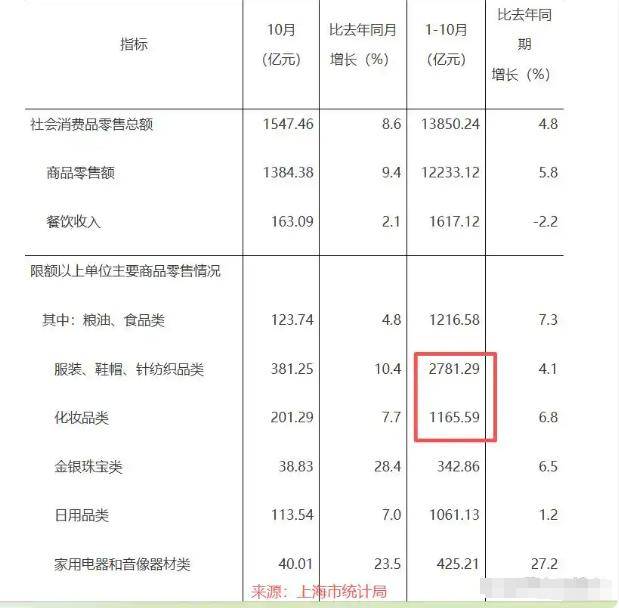
Group 1 - The core observation is that major cities like Shanghai and Beijing are experiencing contrasting consumer spending patterns, with Shanghai showing a significant increase in spending on clothing and cosmetics, while Beijing consumers are focusing on gold and jewelry, indicating a more conservative spending approach [1][3][5] - In 2025, Shanghai's clothing expenditure is six times that of Beijing, and cosmetics spending is four times higher, with Shanghai accounting for 30% of national cosmetic sales [5][7] - The influx of foreign tourists in Shanghai, driven by relaxed visa policies, has contributed significantly to the city's retail growth, with a nearly 40% increase in inbound tourists compared to the previous year [7][10] Group 2 - The statistical methodology for calculating consumer spending has changed in Shanghai, now focusing on actual business activity locations rather than company registration, which has positively impacted Shanghai's reported consumption figures [12][14] - Despite Shanghai's recovery, both Beijing and Shanghai's overall performance still lags behind the national average, indicating broader economic challenges [14][15] - The shift in consumer behavior in major cities is attributed to changes in corporate logistics, with many companies moving warehousing and logistics operations to more tax-friendly locations, leading to a disconnect in spending statistics [15][17] Group 3 - The decline in property values in major cities has led consumers to be more cautious with large purchases, shifting their spending towards experiences rather than physical goods [19][30] - In contrast, second and third-tier cities are benefiting from lower mortgage rates and government subsidies, which are driving consumer spending and contributing to national consumption growth [22][24] - The consumer landscape in smaller cities is characterized by a more direct and tangible spending approach, with local initiatives like shopping festivals and subsidies effectively boosting local economies [25][27]

上海消费反超北京,一线城市落后全国,为啥不同城市冰火两重天?
Sou Hu Cai Jing· 2025-12-30 11:41
Core Insights - The article analyzes the consumption data of Shanghai and Beijing, revealing significant differences in spending habits, with Shanghai residents spending six times more on clothing and four times more on cosmetics compared to their Beijing counterparts, while Beijing residents spend twice as much on gold and jewelry than those in Shanghai [1] Group 1: Consumption Data Analysis - In October, Shanghai's total retail sales of consumer goods reached 1547.46 billion yuan, showing an 8.6% year-on-year increase, while the cumulative sales from January to October were 13850.24 billion yuan, reflecting a 4.8% growth [2] - The retail sales of clothing, shoes, and textiles in Shanghai amounted to 381.25 billion yuan in October, with a 10.4% increase, while cosmetics sales reached 201.29 billion yuan, growing by 7.7% [2] - In contrast, Beijing's retail sales data is affected by the registration location of businesses, leading to discrepancies in reported consumption figures [3][4] Group 2: Statistical Methodology - The method of calculating retail sales based on the registered location of businesses can distort the actual consumption data, as purchases made in one city may be attributed to another due to tax incentives and operational strategies [3] - The National Bureau of Statistics has recognized these issues and has been implementing statistical reforms since 2021 to improve accuracy in consumption data reporting [7] Group 3: Consumer Behavior and Trends - The differences in consumption patterns between Beijing and Shanghai are influenced by local policies, such as car purchase restrictions, which affect consumer confidence and spending behavior [9] - The influx of international tourists in Shanghai, with 8.28 million visitors in the first 11 months of the year, has significantly boosted retail sales, highlighting the city's ability to attract external consumption [11] - The ongoing urban adjustments in Beijing, including the reduction of manufacturing enterprises, have short-term impacts on consumption data but are aimed at long-term urban development [13] Group 4: Broader Economic Context - The article notes that while first-tier cities like Beijing and Shanghai show slower retail growth compared to second and third-tier cities, this trend may be attributed to higher living costs and consumer sentiment in larger cities [15] - The consumption landscape is evolving, with a shift towards experiential spending in first-tier cities, as residents prioritize experiences over material goods [19] - The article concludes that the differences in consumption data between Beijing and Shanghai reflect distinct developmental paths, emphasizing the importance of understanding the underlying factors driving consumer behavior [24]