基于规则的旧秩序

Search documents
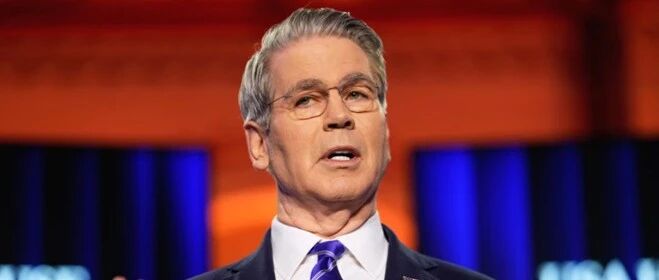
美财长威胁加拿大总理卡尼
中国能源报· 2026-01-29 05:53
Core Viewpoint - The article discusses the tensions between the U.S. and Canada regarding trade policies, particularly in the context of the upcoming review of the USMCA (United States-Mexico-Canada Agreement) and the implications of Canadian Prime Minister Mark Carney's recent statements on U.S. economic policies [4][6][7]. Group 1: U.S.-Canada Trade Relations - U.S. Treasury Secretary Mnuchin warned Canadian Prime Minister Carney against making provocative statements ahead of the USMCA review, suggesting that such comments could negatively impact negotiations [4]. - Carney criticized the U.S. for using economic integration as a "weapon," indicating a shift in Canada's stance towards seeking a more independent foreign policy [6][7]. - The U.S. is concerned that a potential Canada-China agreement could undermine its strategic interests, leading to increased pressure on Canada to align with U.S. policies [7]. Group 2: Political Dynamics - Carney's remarks at the World Economic Forum in Davos highlighted a perceived end to the "rules-based old order," which the U.S. views as a challenge to its influence [6][7]. - The U.S. is leveraging threats of tariffs as a negotiating tactic to ensure Canada remains aligned with its "America First" agenda, especially in light of the upcoming 2026 USMCA review [7].

未知机构:基于规则的旧秩序摇摇欲坠全球实物资产的通胀来临上周加拿-20260127
未知机构· 2026-01-27 01:55
Summary of Key Points from the Conference Call Industry Overview - The discussion revolves around the global economic landscape, particularly focusing on the challenges facing the post-World War II rules-based order, which has been primarily constructed by the victors and losers of the war. This order includes political frameworks like the United Nations and trade organizations such as the World Trade Organization, along with supporting economic and financial systems [1][1][1]. Core Insights and Arguments - The current geopolitical divide has expanded from a U.S.-China focus to a broader U.S. versus non-U.S. dynamic, marking a significant shift in global political alignments [1][1][1]. - The existing rules-based order is under severe threat, with the United States, as the architect of this order, now being viewed as a challenger to its own creation [1][1][1]. - A potential collapse of this system could lead to significant repercussions for the U.S. dollar and U.S. Treasury bonds, which are considered the lifeblood of the current economic framework. The introduction of alternative financial instruments could severely undermine the credibility of the dollar and U.S. debt [2][2][2]. Important but Overlooked Content - The actions of Denmark and Sweden in selling U.S. Treasury bonds highlight a growing trend among international investors to divest from dollar-denominated assets. This shift is expected to lead to increased allocations towards safe-haven assets like gold and silver [3][3][3]. - The onset of a new inflationary era, driven by precious metals, is anticipated. This inflationary cycle is characterized by constrained supply and new marginal demand, particularly influenced by supply chain restructuring and security needs. Consequently, commodities priced in dollars may experience a dual impact from both their commodity and financial attributes [3][3][3].
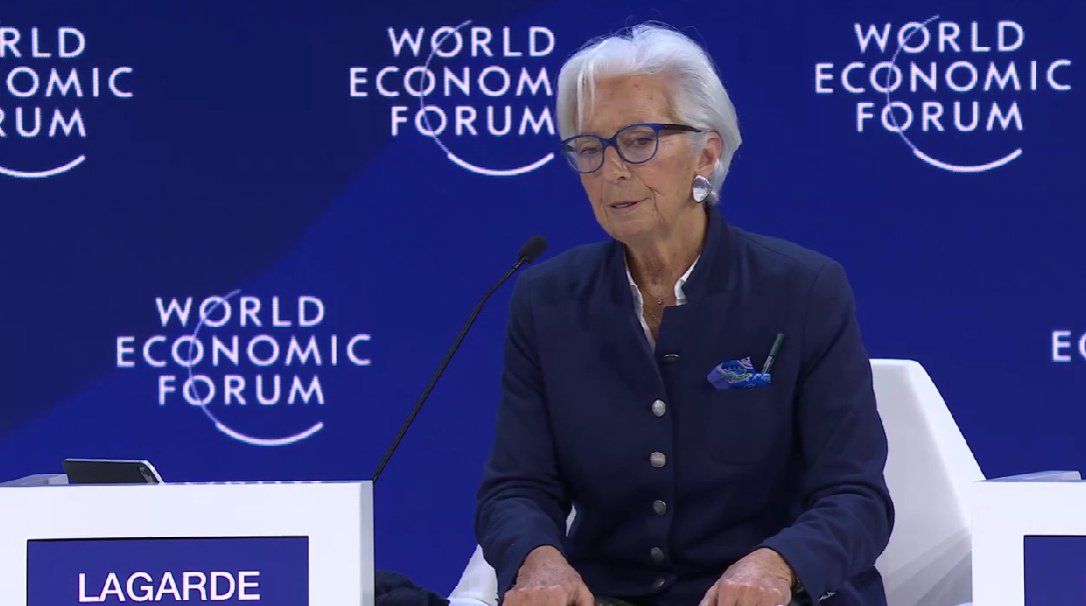
欧洲央行行长:不完全同意卡尼,旧秩序还没死透
Xin Lang Cai Jing· 2026-01-23 15:51
Core Viewpoint - The ongoing discussions at the Davos Financial Leaders Meeting highlight a divergence in perspectives regarding the future of the global order, particularly between European Central Bank President Christine Lagarde and Canadian Prime Minister Mark Carney, with Lagarde advocating for a more optimistic approach to finding alternatives rather than declaring a complete breakdown of the existing order [1][3][5]. Group 1: Perspectives on Global Order - Mark Carney declared that the "rules-based old order has ended and will not return," emphasizing the need for middle powers to unite against larger nations [3][5]. - Christine Lagarde expressed skepticism about the notion of a complete rupture in international relations, suggesting that there is still room to explore alternatives and address existing vulnerabilities [3][5]. - Lagarde acknowledged the criticisms directed at Europe, suggesting that they serve as a wake-up call to focus on developing contingency plans [5]. Group 2: Trade and Economic Interdependence - Ngozi Okonjo-Iweala, Director-General of the World Trade Organization, noted that despite significant global turmoil, 72% of trade activities still operate under WTO rules, indicating a level of resilience in the global trading system [5][6]. - Okonjo-Iweala also recognized that the world may not return to its previous state, highlighting the need for countries to enhance their resilience against uncertainties [6]. - Kristalina Georgieva, President of the International Monetary Fund, affirmed that the current situation represents a permanent change, urging acceptance of ongoing transformations in global trade dynamics [7][8].