
基础教育规范管理

Search documents
教育部严禁幼儿园抢跑、教师有偿补课
21世纪经济报道· 2026-03-27 12:52
Core Viewpoint - The Ministry of Education has issued a notice to implement a third consecutive year of actions aimed at standardizing management in basic education, introducing a negative list of 20 prohibitions to address pressing issues affecting educational fairness and students' physical and mental health [1][3]. Summary by Sections Negative List Expansion - The new negative list includes 20 prohibitions, expanding from 12 and 16 in the previous years, specifically targeting issues such as political security, educational fairness, and excessive academic burden [1][3]. - The first new prohibition is against kindergartens teaching primary school curricula prematurely, which has become a trend among parents wanting their children to get ahead [3][4]. Teacher Conduct Regulations - The second new prohibition forbids teachers from engaging in paid tutoring or indirectly soliciting money from parents through live streaming or knowledge payment platforms [5][6]. - The third prohibition prevents organizing students to participate in commercial activities that do not align with their developmental stages [7][8]. Student Selection Integrity - The fourth new prohibition addresses the integrity of student selection processes for organizations like the Young Pioneers and class leaders, prohibiting any form of manipulation or deceit [10][11]. Promotion of Educational Standards - The updated negative list also includes a prohibition against promoting or sensationalizing high school entrance exam results, which distorts educational evaluation and creates unhealthy competition [13][14]. - The Ministry emphasizes the need for strict enforcement of these prohibitions, with local authorities adapting the negative list to their specific contexts [16][17]. Future Directions - The Ministry plans to explore new evaluation mechanisms for school management and establish a reputation evaluation system to ensure compliance with educational standards [18].

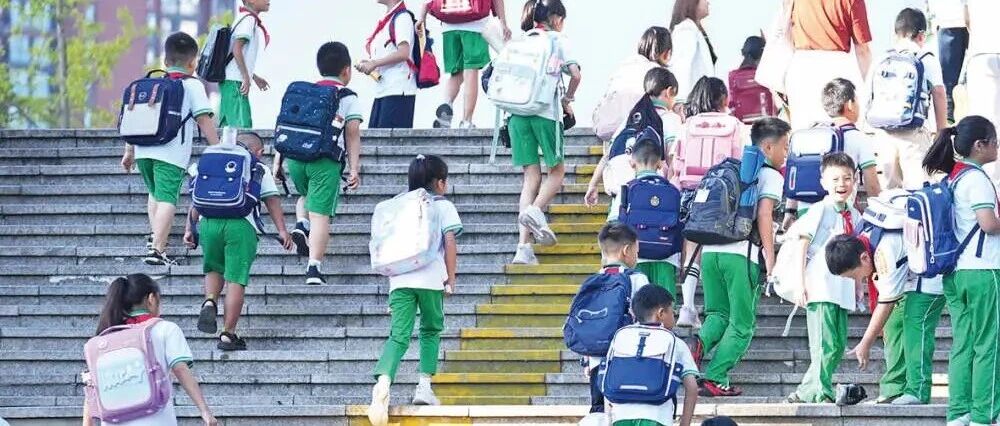
严禁宣传炒作中高考状元、名校率、升学率!教育部“20条负面清单”来了→
证券时报· 2026-03-27 08:37
Core Viewpoint - The Ministry of Education has issued a negative list aimed at regulating basic education management, prohibiting various practices that undermine educational fairness and quality [1]. Group 1: Negative List Provisions - Prohibition of actions that undermine the party and state image, including spreading erroneous viewpoints through various media [5]. - Ban on exceeding the national curriculum standards and encroaching on essential subjects like moral education, physical health, and arts [5]. - Restrictions on assigning excessive homework beyond administrative guidelines, including repetitive or punitive assignments [6]. Group 2: Educational Fairness and Management - Emphasis on equitable enrollment practices, ensuring that migrant children receive equal educational opportunities [7]. - Strict measures against unauthorized classes, early school openings, and excessive examination frequency to alleviate student burdens [8]. - Prohibition of commercial activities and competitions that do not align with students' developmental stages [10]. Group 3: Teacher Conduct and Responsibilities - Ban on teachers engaging in paid tutoring or soliciting money from parents through indirect means [8][10]. - Prohibition of discriminatory practices against students, including corporal punishment and other forms of abuse [10]. - Requirement for schools to maintain food safety standards and ensure proper management of school meals [12]. Group 4: Compliance and Accountability - Schools must adhere to regulations regarding school uniforms and avoid profit-making from uniform sales [11]. - Prohibition of unauthorized fee increases and mismanagement of student funding [12].

教育部:严禁宣传炒作中高考状元、名校率、升学率
21世纪经济报道· 2026-03-27 02:13
Core Viewpoint - The Ministry of Education has launched a notification to implement a "Consolidation Year Action" for the standard management of basic education, focusing on five core areas: educational equity, daily management, school governance, campus safety, and educational ecology [1]. Group 1: Key Tasks for Consolidation - The first task is to enhance educational equity by standardizing enrollment practices, managing student status, and addressing the issue of "hidden dropouts" to promote continuous improvement in equity levels [1]. - The second task aims to improve daily management through monitoring "sentinel schools," optimizing break activities, strengthening mental health services, and regulating homework and exams to ensure the "health first" principle is integrated into the entire growth process of students [1]. - The third task focuses on enhancing school governance capabilities through leadership training programs, specialized training for county and district leaders, on-the-job training at model schools, and evaluating school reputations to ensure compliance with management requirements [1]. - The fourth task is to improve campus safety by establishing a comprehensive mechanism, enhancing safety inspections, preventing campus bullying, and deepening "three rectifications" to ensure safety measures are effectively implemented [1]. - The fifth task is to build a positive educational ecology by regulating social affairs in schools, promoting teacher ethics, and strengthening collaboration among families, schools, and communities to create an environment conducive to student growth and teacher dedication [1]. Group 2: Negative List of Prohibited Behaviors - The notification includes a negative list of 20 prohibited behaviors that affect political security, educational equity, student health, academic burden, teacher ethics, and public interests [2][3][4][5]. - Prohibited behaviors include spreading erroneous viewpoints against the party and state, exceeding curriculum standards, assigning excessive homework, and conducting frequent exams that increase student burdens [2][3]. - Additional prohibitions include using elementary education methods in kindergartens, organizing exams for student selection, and ranking schools based on graduation rates or exam scores [3][4]. - The list also prohibits teachers from engaging in corporal punishment, soliciting payments from parents, and schools from neglecting food safety management [4][5].
教育部:严禁宣传炒作中高考状元、名校率、升学率
财联社· 2026-03-27 02:10
Core Viewpoint - The Ministry of Education has launched the "Consolidation Year Action" for basic education management, marking the third consecutive year of initiatives aimed at enhancing management mechanisms, solidifying foundational management, and improving governance effectiveness to promote equitable and high-quality development in basic education [1]. Group 1: Key Tasks - The action focuses on five key tasks: 1. Enhancing educational equity by standardizing enrollment practices and addressing issues of "hidden dropouts" [2]. 2. Improving daily management through monitoring, optimizing activities, and strengthening mental health services [2]. 3. Strengthening school governance capabilities via training programs and reputation evaluations [2]. 4. Ensuring campus safety through improved mechanisms and thorough safety inspections [2]. 5. Building a positive educational ecosystem by regulating social affairs in schools and promoting collaboration among families, schools, and communities [2]. Group 2: Negative List - A negative list of 20 prohibited behaviors has been established, addressing issues that affect political security, educational equity, student well-being, excessive academic burden, teacher ethics, and public interest [2][3]. - Specific prohibitions include: 1. Assigning excessive homework beyond regulatory limits or punitive assignments [4]. 2. Conducting frequent exams that increase student workload [5]. 3. Violating established school calendars and conducting classes during holidays [6]. 4. Discriminating against students or engaging in any form of corporal punishment [7]. 5. Forcing students to purchase uniforms or increasing fees without authorization [9].

教育部列出20条负面清单
第一财经· 2026-03-27 01:50
Core Viewpoint - The Ministry of Education has launched a notification to implement a "Consolidation Year Action" for the standard management of basic education, focusing on five core areas: educational equity, daily management, school governance, campus safety, and educational ecology [1]. Group 1: Key Tasks of the Consolidation Action - The first task is to enhance educational equity by standardizing enrollment practices, managing student status, and addressing the issue of "hidden dropouts" to promote continuous improvement in equity levels [1]. - The second task aims to improve daily management through monitoring "sentinel schools," optimizing break activities, strengthening mental health services, and regulating homework and exams, ensuring the "health first" concept is integrated into the entire growth process of students [1]. - The third task focuses on enhancing school governance capabilities through leadership training programs, specialized training for county and district leaders, on-the-job training at model schools, and evaluating school reputations to ensure management standards are implemented in every school [1]. - The fourth task is to improve campus safety by refining collaborative mechanisms, strengthening safety hazard inspections, preventing campus bullying, and deepening "three rectifications" to ensure detailed implementation of safety guarantees [1]. - The fifth task is to build a positive educational ecology by regulating social affairs in schools, promoting teacher ethics, and enhancing collaboration among families, schools, and communities to optimize the environment for student health, teacher dedication, and societal respect for education [1]. Group 2: Negative List of Prohibited Behaviors - The notification includes a negative list of 20 prohibited behaviors that affect political security, educational equity, student mental and physical health, excessive academic burden, teacher ethics, and infringement of public interests [2]. - Specific prohibitions include actions such as disseminating erroneous viewpoints, exceeding curriculum standards, assigning excessive homework, and conducting frequent exams that increase student burdens [4][5][6]. - Additional prohibitions cover issues like discrimination against students, unauthorized tutoring, neglecting safety responsibilities, and improper management of school fees and uniforms [6][7].

以“负面清单”促规范办学(人民时评)
Ren Min Ri Bao· 2025-06-19 21:51
Group 1 - The core viewpoint emphasizes the need for a "negative list" to specify prohibited practices in education, aiming to create a fair and healthy educational environment [1][2] - The Ministry of Education has issued a notice to enhance the management of basic education, listing 16 items on the "negative list" to address ongoing issues in educational management [1][2] - The "negative list" has shown significant effectiveness in reducing non-compliant educational practices, although some issues persist in hidden or modified forms [2][3] Group 2 - Establishing a long-term mechanism for standardized education requires strengthening responsibility, collaborative rectification, and innovative supervision methods [2][3] - The current educational landscape faces challenges such as illegal classes during holidays and irregular enrollment practices, which are difficult to eradicate [3] - The focus on standardizing educational practices is not only about maintaining educational standards but also about enhancing the quality of education [3]
重磅,教育部发布新规,关乎所有孩子
3 6 Ke· 2025-06-16 00:43
Core Points - The Ministry of Education has issued a new notification emphasizing the importance of reducing student burdens, with a focus on three main changes: prioritizing "burden reduction," de-emphasizing enrollment rates, and upgrading campus safety responsibilities [1][3][9] Group 1: Changes in Education Policy - The position of "burden reduction" clauses has been moved up in the list of regulations, indicating a greater emphasis from the government on this issue [3][4] - New regulations include a ban on frequent examinations, limiting middle school exams to once a month and prohibiting written exams for first and second graders [7][11] - The focus on enrollment rates as a key performance indicator for schools and teachers has been removed, promoting a holistic development approach for students [9][11] Group 2: Campus Safety and Accountability - The responsibility for campus safety has shifted from individual teachers to the school administration, making principals and management accountable for incidents such as bullying [15][17] - Schools are now required to actively prevent bullying and ensure a safe environment for students [17] Group 3: Challenges in Implementation - Despite the comprehensive nature of the new regulations, there are concerns regarding their effective implementation, as previous efforts to reduce student burdens have not yielded significant results [18][20] - The existing education system, which heavily relies on examination results, continues to exert pressure on students, making it difficult to achieve the intended reductions in workload [20][22] - Societal attitudes towards education and competition may hinder the acceptance of these new policies, as parents fear that reducing burdens could negatively impact their children's academic performance [24][26]
让规范管理成为基础教育的“硬支撑”
Zhong Guo Qing Nian Bao· 2025-06-01 22:45
Core Viewpoint - The Ministry of Education has launched the "Normative Management Improvement Year" initiative to enhance the management of basic education, focusing on consolidating previous achievements, addressing key issues, and improving governance capabilities and digital empowerment [1][3]. Group 1: Key Actions and Measures - The initiative includes the release of the "Negative List for Normative Management in Basic Education (2025 Edition)," which outlines 16 prohibited behaviors across various areas such as teaching management, enrollment, campus safety, and teacher ethics [2]. - Specific prohibitions include starting school early, extending holidays, conducting collective classes during breaks, using graduation rates for school and teacher evaluations, neglecting food safety responsibilities, and forcing students to purchase supplementary materials [2]. - The initiative emphasizes the establishment of clear behavioral norms for schools and teachers, while also providing parents and students with stronger grounds for rights protection and supervision [2]. Group 2: Supervision and Transparency - The initiative requires local education authorities to establish and publicize channels for reporting violations, allowing for broader oversight from parents, representatives, and the community [2]. - It promotes a multi-level supervision system combined with digital tools, such as standardized examination inspections and smart campus security, to enhance governance transparency and encourage public participation in education management [2]. Group 3: Long-term Goals and Implementation - The fundamental goal of the "Normative Management Improvement Year" is to better serve educational development, protect the rights of students and parents, and respond to public concerns [3]. - The initiative aims to create clear institutional boundaries for educational governance, eliminate persistent issues, and allow schools to focus on teaching while ensuring a safe and healthy environment for students [3]. - Continuous improvement in basic education reform requires both top-level design and grassroots implementation, with education authorities responsible for management and schools encouraged to exercise autonomy [3].

严禁违规频繁考试,严禁提前开学、延迟放假!教育部明确→
21世纪经济报道· 2025-05-27 10:16
Core Viewpoint - The Ministry of Education has launched a "Standard Management Improvement Year" initiative to address issues in basic education, aiming to enhance management practices and protect public interests in education [1] Group 1: Key Goals and Tasks - The initiative outlines five further goals, focusing on consolidating and deepening management practices while addressing unresolved issues in basic education [1] - Key tasks include solidifying effective management practices, innovating methods to tackle persistent challenges, and enhancing the capabilities of educational institutions [1] Group 2: Negative List for 2025 - A 16-item negative list has been established, prohibiting practices that violate educational regulations and harm public interests, such as arbitrary adjustments to curriculum and excessive homework [1][2] - The list emphasizes the importance of a student-centered approach, legal governance in education, and the establishment of a fair and healthy educational ecosystem [1] Group 3: Prohibited Practices - Schools are strictly forbidden from engaging in various practices, including early school openings, excessive testing, and discriminatory treatment of students [1][2] - Specific prohibitions include the use of rankings based on exam results for school assessments, as well as any form of corporal punishment or bullying [1][2]
整治利用征订教辅及校服牟利等问题,教育部发布16条负面清单
Xin Jing Bao· 2025-05-27 08:18
Core Viewpoint - The Ministry of Education has issued a notice to enhance the management of basic education, focusing on 16 negative lists to address unresolved issues in education management [1][2][4]. Group 1: Key Issues Addressed - The notice emphasizes the need to rectify issues related to "campus meals," profiteering from educational materials and uniforms, which infringe on the rights of students and parents [1][3]. - It aims to curb excessive academic burdens caused by practices such as holiday classes, early school openings, and unreasonable daily schedules [1][3]. - The document highlights the need to combat unfair educational practices, including "dark box operations," illegal cross-regional admissions, and the involvement of off-campus training institutions in admissions [1][3]. Group 2: Management Improvement Measures - The Ministry has outlined three main areas for improvement: reinforcing safety standards, restoring order in daily management, and upholding teacher ethics [2]. - The action plan includes consolidating management achievements, deepening the rectification of key issues, and enhancing the capabilities of educational institutions [2][3]. Group 3: 2025 Negative List Features - The 2025 version of the negative list includes 16 items across five dimensions, such as prohibiting the dissemination of erroneous political views and managing excessive academic burdens [4][5]. - New additions to the list include regulations on exam arrangements, school rules, food safety, and uniform procurement [4][5]. - The list aims to ensure student well-being, prevent bullying, and maintain food safety standards within schools [4][10].