塞罕坝精神

Search documents
青春因奋斗而美!“北京大视听”重点网络综艺《重走青春路》开播
Xin Lang Cai Jing· 2026-02-05 14:06
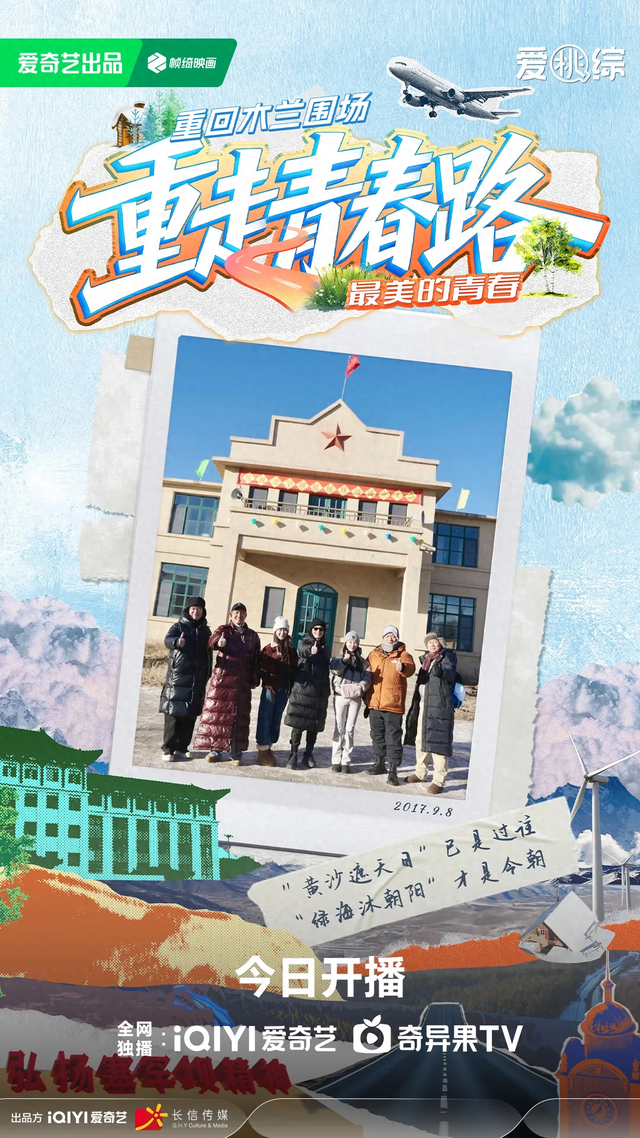
Core Viewpoint - The news highlights the launch of the travel variety show "Rewalking the Youth Road," which is based on the original IP of the acclaimed drama "The Most Beautiful Youth," focusing on ecological themes and cultural tourism in the Beijing-Hebei region [1][5][10]. Group 1: Show Overview - "Rewalking the Youth Road" is produced by Changxin Media and will be available on iQIYI, with episodes released daily starting February 4 [1]. - The show features the original cast and crew from "The Most Beautiful Youth," including art director Guo Jingyu and actors Liu Zhiyang and He Yuhong, who revisit filming locations to experience local development [1][5]. - The program aims to showcase the ecological revitalization of the Weichang Manchu and Mongolian Autonomous County, emphasizing the importance of afforestation efforts [1][6]. Group 2: Cultural and Ecological Themes - The show integrates the concept of "green mountains and clear waters are as valuable as mountains of gold and silver," presenting a nostalgic journey while highlighting the achievements in ecological civilization [5][10]. - It aims to attract a wide audience, including fans of the original drama and those interested in beautiful landscapes and unique cultures [5][10]. - The program features interactive elements and immersive tasks that allow participants to engage with the local culture and environment, reinforcing the spirit of the Saihanba [8][10]. Group 3: Regional Collaboration - The filming spans both Beijing and Hebei, promoting cultural resource sharing and tourism collaboration between the two regions [6][10]. - The show invites participation from cultural and tourism departments in both regions, aligning with national strategies for coordinated development [6][10]. - It emphasizes the significance of Weichang as a gateway to Beijing, showcasing its role in addressing environmental challenges faced by the capital [6][10]. Group 4: Audience Engagement and Experience - The program combines entertainment with cultural education, creating a platform that merges emotional storytelling with local tourism resources [10][11]. - It aims to generate interest in winter tourism and local accommodations in Huairou, highlighting the area's unique offerings [10][11]. - The show encourages interactions between guests and local residents, inviting the youth to connect with the enduring spirit of Saihanba [11].

河北:2026年承德围场亚高原“德德食品杯”迎新年健康跑开赛
Xin Lang Cai Jing· 2026-01-03 10:58
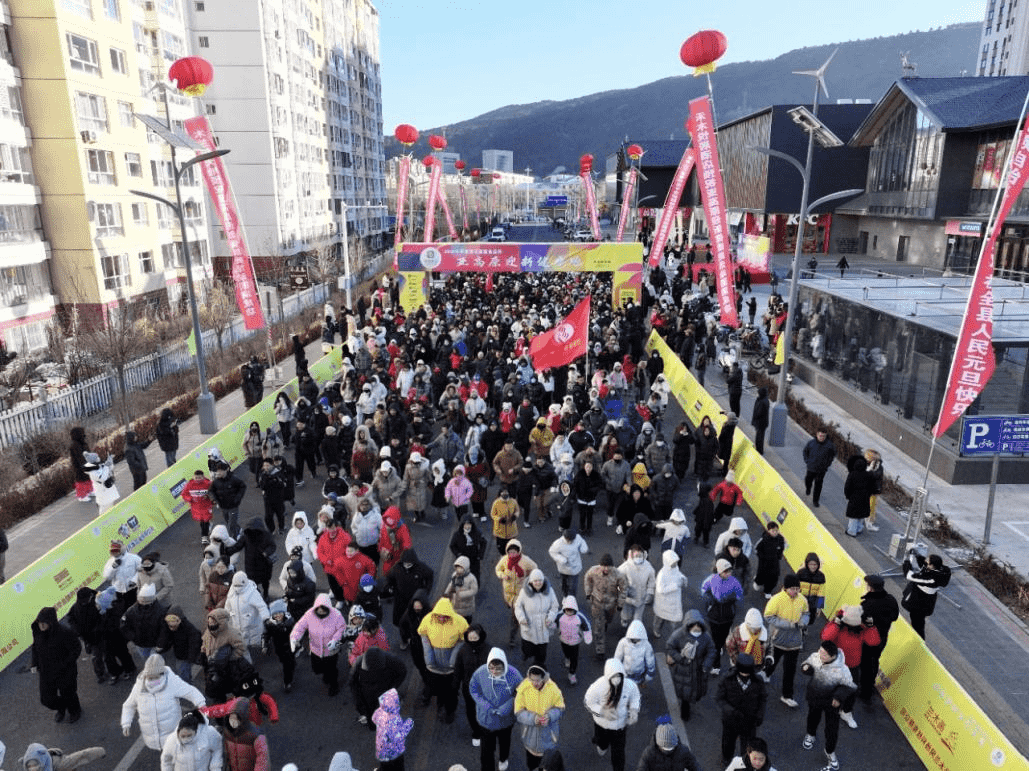
Group 1 - The event "DeDe Food Cup" New Year Health Run in Chengde Weichang, Hebei, attracted 2026 participants, marking a vibrant start to the new year [2][3] - The 6.66 km regular race showcased professional runners competing energetically, embodying the spirit of the Saihanba area, which emphasizes mission, hard work, and green development [3][8] - A 2.1 km parent-child route allowed families to bond while exercising, highlighting the event's focus on health and family values [3][5] Group 2 - The Chengde City Relay Race featured teams from various localities, enhancing community engagement and showcasing the scenic racecourse [5][8] - The integration of archery, a local intangible cultural heritage, into the event added a unique cultural dimension, blending modern sports with traditional practices [5][8] - The health run serves as a platform for promoting local enterprises and enhancing brand visibility, aiming for both social and economic benefits [8]
河北承德冰雪温泉旅游季正式启动
Bei Jing Ri Bao Ke Hu Duan· 2025-12-18 13:33
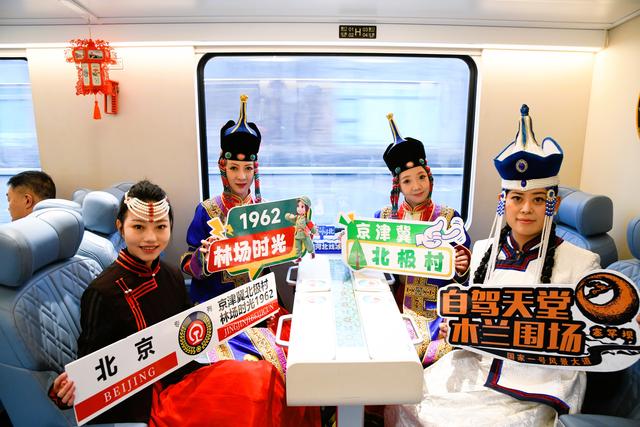
Core Viewpoint - The 2025/2026 Hebei Chengde Ice and Snow Hot Spring Tourism Season was launched in an innovative manner, utilizing a mobile and immersive approach to promote winter tourism in the region [1][3]. Group 1: Event Overview - The launch event featured the "Starry · Yanzhao" themed train, connecting Beijing, Chengde, and Saihanba, and aimed to create a unique cultural and ecological tourism experience [1][3]. - The core concept of the event was "overall planning + mobile scenes + immersive experience," integrating various cultural and tourism resources [3][5]. Group 2: Activities and Attractions - The train served as a moving cultural exhibition, showcasing iconic local attractions and culinary experiences, enhancing the travel atmosphere [5]. - A total of 26 key activities and 5 themed routes were promoted, covering ice sports, hot spring wellness, folk experiences, and educational travel [5][8]. Group 3: Cultural Presentation - Upon arrival at Longhua Station, a cultural display highlighted the tourism season's key activities, featuring traditional performances and local beverages [6]. - The event emphasized the integration of ecological resources with modern lifestyles, showcasing the "wellness travel" concept through local specialties [6]. Group 4: Immersive Experience - The final destination was the "Beijing-Tianjin-Hebei Arctic Village Snow Town," where guests engaged in immersive storytelling and labor scene recreations, honoring the spirit of Saihanba [8]. - This winter, Chengde will focus on its positioning as a wellness destination, offering diverse activities and experiences for visitors [8].
城从“绿”中来(山水间的财富密码⑥)
Ren Min Ri Bao Hai Wai Ban· 2025-08-28 22:55
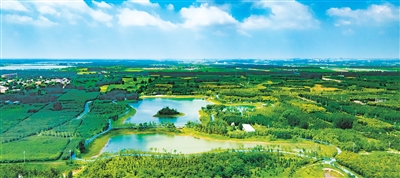
Core Viewpoint - The construction of Xiong'an New Area emphasizes the integration of ecological preservation and urban development, with the "Thousand-Year Forest" project as a key initiative to create a harmonious relationship between humans and nature [1][2]. Group 1: Ecological Initiatives - The "Thousand-Year Forest" is a significant component of the ecological space in Xiong'an New Area, representing the first step towards establishing a green environment [1]. - Since its establishment in 2017, Xiong'an New Area has seen substantial changes, including the development of urban infrastructure and the growth of green forests [1][2]. - As of now, Xiong'an New Area has planted over 20 million trees, increasing the forest coverage rate from 11% before its establishment to 35% [6]. Group 2: Project Implementation - The construction of the "Thousand-Year Forest" involves high standards and quality, requiring significant effort from all participants to complete projects like the 100,000 acres of mixed-use forest within a tight timeframe [2]. - The project employs an engineering management model that focuses on planning, species selection, technical standards, and ecological sustainability, aiming to create natural forests rather than merely increasing greenery [2][4]. - The planting process incorporates natural random distribution, curved planting, and mixed species to achieve a landscape that features flowers in three seasons and greenery year-round [2]. Group 3: Economic Development - The "Thousand-Year Forest" is not only about planting trees but also involves nurturing and exploring forest-based economic activities, which have begun to take shape [5]. - Under the forest canopy, various economic crops such as Lingzhi and medicinal herbs are being cultivated, contributing to the local economy [5]. - The development of under-forest livestock farming, including poultry and cicada breeding, is also gaining momentum, adding vitality to the ecological landscape [5].
第一观察 | 总书记科学指引荒漠化防治工作
Xin Hua She· 2025-06-17 07:25
Core Viewpoint - The prevention of desertification is a significant ecological issue affecting human survival and development, emphasized by the Chinese leadership as crucial for ecological security, national strength, and sustainable development of the Chinese nation [1][2]. Group 1: Importance of Desertification Prevention - The situation regarding desertification and sand control in China remains severe, particularly in the "Three North" regions, which are economically underdeveloped and home to ethnic minorities [2]. - Historical experiences highlight the consequences of ecological degradation, with past desert expansions leading to the loss of significant cultural and economic areas, underscoring the need for proactive measures [3]. Group 2: Achievements and Strategies - Since the implementation of the "Three North" shelterbelt program initiated in 1978, China has made remarkable progress in combating desertification, achieving a historic shift from "sand encroaching on land" to "green reclaiming sand" [4]. - The leadership acknowledges the importance of sustained efforts and the need for a long-term commitment to desertification prevention, recognizing it as a challenging and ongoing process [5]. Group 3: Future Directions - The goal is to create new miracles in desertification prevention by adopting a systematic approach that integrates various ecological elements for comprehensive management [8]. - Successful examples of integrated management, such as in Inner Mongolia and Gansu, demonstrate the effectiveness of coordinated efforts in restoring ecological balance [9]. Group 4: Scientific Approach - A scientific approach to desertification control is emphasized, advocating for research-based planning and the appropriate use of resources to ensure effective outcomes [10]. - The focus is on adapting strategies to local conditions, utilizing suitable vegetation types, and avoiding impractical interventions in areas unsuitable for transformation [10].
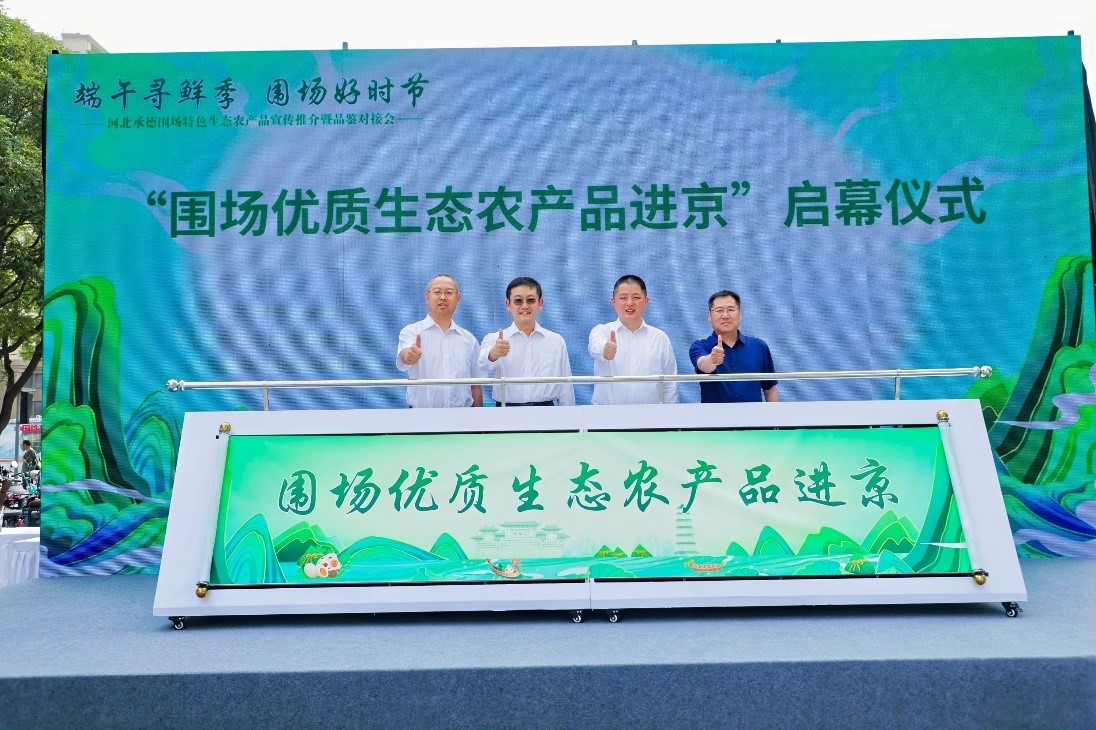
塞罕坝下好味道,围场百余种优质农特产品进京“圈粉”
Cai Jing Wang· 2025-05-30 09:30
Core Viewpoint - The event in Beijing showcased high-quality ecological agricultural products from Weichang, highlighting the region's unique ecological advantages and the collaboration with financial sectors to enhance market access for these products [1][3][5] Group 1: Event Overview - The promotional event titled "Duanwu Seeking Fresh Season, Weichang Good Time" took place on May 30, featuring over 100 high-quality agricultural products from Weichang [1] - Key enterprises from Weichang participated, presenting products that reflect the region's ecological richness and agricultural development [1][3] Group 2: Strategic Collaborations - Weichang established strategic cooperation agreements with Wumart Group and other companies to create an efficient production and sales platform [3] - The "order agriculture + supermarket direct supply" model was introduced to facilitate the green channel for agricultural products entering Beijing [3] Group 3: Product Highlights - The event featured a variety of products, including seabuckthorn beverages rich in vitamin C, traditional almond drinks, and specialty products like potato vermicelli and ganoderma spore oil [3][5] - A tasting experience area allowed consumers to engage with the unique flavors of Weichang's agricultural products, fostering deeper connections between producers and consumers [3] Group 4: Ecological and Economic Impact - Weichang is recognized as a key ecological function area, contributing to the ecological balance and agricultural productivity in the Beijing-Tianjin-Hebei region [5] - The event aimed to enhance regional cooperation and market expansion for Weichang's agricultural products, promoting farmer income and agricultural efficiency [5]