外卖平台监管

Search documents
每月抽查5%商家 外卖平台“新国标”落地
Bei Jing Shang Bao· 2025-12-04 16:13
对于许多中小餐饮商户反映的平台促销活动"不参加就没流量,参加了就亏本"等问题,《外卖平台服务 管理基本要求》国家标准聚焦平台收费与促销行为,明确平台收费规则及促销活动管理要求,督促引导 外卖平台简化收费项目、规范促销行为,营造公平有序的市场竞争环境。 针对"幽灵外卖",外卖新国标有了规定。12月4日,市场监管总局发布实施《外卖平台服务管理基本要 求》国家标准(以下简称"标准"),规范商户入驻审核、加强动态监管,进一步压实外卖平台主体责 任,筑牢食品安全防线。当日下午,国家市场监管总局召开国家标准《外卖平台服务管理基本要求》专 题新闻发布会。会上,国家市场监管总局网监司副司长王丹丹介绍,外卖平台要对商户信息进行抽查和 监测,每月抽查比例不少于5%,不断加强对商户日常运营的动态审核。 针对"幽灵外卖"等乱象,王丹丹介绍,国家在食品安全方面已经制定了一系列的监管要求,平台应当严 格遵守。在此基础上,标准提出压实平台主体责任,进一步推动解决"幽灵外卖"等问题,维护消费者的 合法权益。 在加强商户的入驻管理方面,平台应设置专门的团队和人员,通过人工或者技术手段对商户提供的信息 进行审核,除要求商户提供相应证照信息外,还 ...
为外卖平台立规明责
Jing Ji Ri Bao· 2025-09-28 21:47
近日,市场监管总局组织起草了《外卖平台服务管理基本要求(征求意见稿)》,向社会公开征求意 见。征求意见稿聚焦当前外卖平台服务中的痛点,针对"内卷式"竞争、平台收费不透明不合理、"幽灵 外卖"屡禁不止、配送员权益保障不足等社会关切问题形成标准条款。今年以来,外卖平台企业为争夺 即时零售流量入口,反复发起"百亿补贴""大额神券"等外卖大额补贴活动,一定程度上加剧了餐饮市 场"内卷"。接下来,相关部门应根据反馈情况完善征求意见稿,制定清晰的实施细则与违规处罚办法, 引导商家依法合规经营,保护消费者和平台合法权益。利用大数据等技术手段加强常态化监管,推动行 业公平、有序、可持续发展,提升消费者信任度与行业整体形象。 (文章来源:经济日报) ...
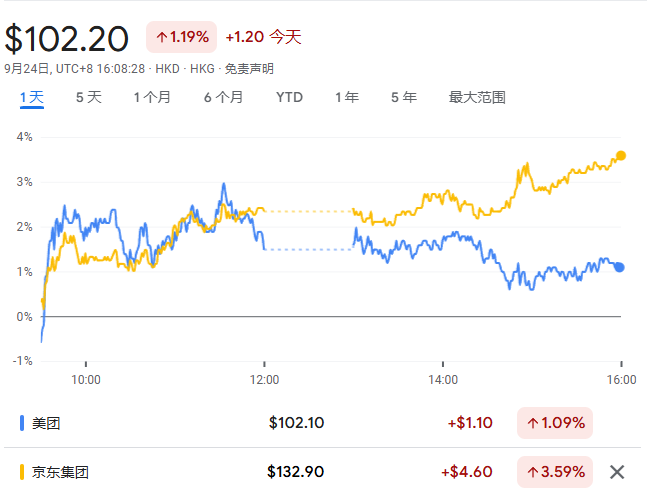
外卖“新规”来了!规范平台收费、商户入驻......美团、京东股价齐涨
美股IPO· 2025-09-24 12:52
市场监管总局发布《外卖平台服务管理基本要求(征求意见稿)》,征求意见稿明确限定外卖平台向商户的收费项目,不得随意新设收费项目。新规从公示 方式、公示内容、结算明细、推广效果等方面对平台收费作出细化规定,防止不透明收费现象。 监管部门推出外卖平台新规,美团和京东股价应声上涨。 9月24日,市场监管总局发布《外卖平台服务管理基本要求(征求意见稿)》,旨在规范平台收费、促销行为等关键问题,引导平台企业公开有序竞争。 新规要求平台按照合理匹配原则,科学设定技术服务费、配送服务费和推广服务费。平台需建立技术服务费下调机制,逐步降低基础佣金,特别是对中 小微商户要制定费用减免等扶持措施。 遏制"裹挟式"竞争乱象 据央视新闻援引专家分析,今年以来,外卖平台围绕抢夺用户流量、夯实配送能力开展"补贴大战",很多商户被迫卷入其中,出现转嫁补贴成本、挤压 商户合理利润空间等现象。 征求意见稿重点规范平台和商户价格促销行为,明确要求平台价格促销成本不应变相或直接要求商户进行分摊。新规明确禁止平台强制或变相强制商户 开展价格促销,或干预商户促销力度。 专家介绍,新规限定平台向商户的收费项目,禁止平台强制商户分摊促销成本,并要求建立技术 ...



外卖“新规”来了!规范平台收费、商户入驻......美团、京东股价齐涨
Hua Er Jie Jian Wen· 2025-09-24 11:47
Core Viewpoint - The new regulations introduced by the market regulatory authority aim to standardize the service management of food delivery platforms, addressing issues such as platform fees and promotional practices, thereby promoting fair competition among platform companies [1][4]. Group 1: Regulatory Changes - The new draft regulations limit the fees that delivery platforms can charge merchants, prohibiting platforms from forcing merchants to share promotional costs and requiring the establishment of a mechanism to reduce technical service fees [1][5]. - The regulations emphasize transparency in platform fees, detailing requirements for publicizing fee structures and preventing opaque charging practices [5]. - The introduction of these regulations marks a formal response to the chaotic competition in the food delivery industry, which has intensified since the summer of this year [4][6]. Group 2: Impact on Merchants - The regulations aim to alleviate the financial burden on merchants, who have been pressured into aggressive promotional strategies due to competition among platforms [6]. - The draft explicitly prohibits platforms from mandating or indirectly coercing merchants into participating in price promotions, which could further protect merchants' profit margins [6]. Group 3: Consumer and Food Safety - The regulations address issues such as "ghost kitchens," requiring merchants to provide valid business licenses and undergo thorough verification processes to ensure food safety [7]. - A new mechanism for order management will be implemented to prevent "order overload" situations, enhancing consumer experience and safety [7]. Group 4: Delivery Personnel Rights - The draft regulations focus on the rights of delivery personnel, mandating fair compensation and reasonable working hours to prevent overwork and health risks [8]. - Platforms are required to implement fatigue alerts for delivery personnel who have been working for over four hours continuously, ensuring their well-being [8].