
多学科协作(MDT)

Search documents
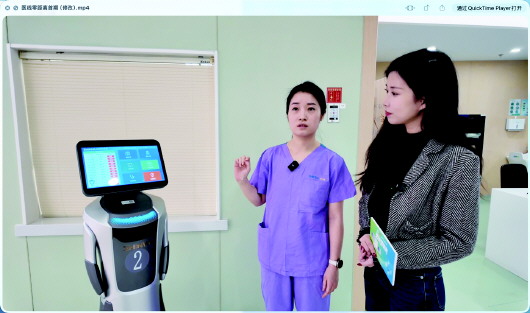
青年医者带你体验胃癌诊疗一线
Xin Lang Cai Jing· 2026-02-03 16:43
Core Viewpoint - The article emphasizes the importance of early screening and standardized treatment for gastric cancer in China, highlighting the role of multidisciplinary collaboration (MDT) as an effective treatment model [2] Group 1: Event Overview - February 4 marks the 27th "World Cancer Day," with the theme "People First, Together Against Cancer" [2] - Gastric cancer is identified as one of the most prevalent tumors in China, necessitating effective early detection and treatment strategies [2] Group 2: Initiative Details - The health live-streaming program "Medical Line Zero Distance" is co-created by Qilu Evening News and the Youth League Committee of Shandong University Qilu Hospital [2] - The first episode features a team of young medical professionals from the gastric cancer MDT, providing insights into the collaborative efforts behind gastric cancer treatment [2] Group 3: Educational Focus - The program aims to educate the public on medical health knowledge by engaging with young doctors from various clinical departments, including gastroenterology, gastrointestinal surgery, radiology, pathology, and oncology [2]

央企赋能,守护升级!抚矿总医院神经内科NICU启用获官媒聚焦
Ge Long Hui· 2026-01-25 13:14
Core Viewpoint - The establishment of the Neurological Intensive Care Unit (NICU) at Fumin General Hospital, set to open in December 2025, represents a comprehensive life protection chain covering prevention, rescue, treatment, and rehabilitation, receiving recognition from multiple authoritative media outlets [1] Group 1: Emergency Response - In the field of neurology, time is critical, with every minute potentially leading to irreversible damage; a case involving a 75-year-old patient demonstrated the importance of rapid response, with a life-saving procedure completed within 30 minutes [2] - The hospital operates as a "National Advanced Stroke Center," utilizing a standardized green channel that integrates multiple departments to ensure efficient emergency care [2] Group 2: Foundation Building - The neurology department has evolved into a comprehensive platform covering 11 sub-specialties, with innovative specialized wards for interventional neurology, NICU, dizziness, and epilepsy, facilitating targeted treatment [3] - The hospital has established a regional stroke specialty alliance to enhance the quality of medical resources and address healthcare accessibility issues [3] Group 3: Empowerment and Growth - Since joining the China Resources Health Group in 2019, the hospital has aligned its development with national healthcare strategies, enhancing its capabilities through collaboration with other leading hospitals [4] - The neurology department has received several prestigious qualifications, including being recognized as a National Advanced Stroke Center and a National Neurological Intervention Construction Center, reflecting its capabilities and responsibilities [4] Group 4: Closing the Loop - The NICU will serve as a critical hub for life-saving interventions, integrating advanced monitoring technologies and establishing a seamless process from emergency care to rehabilitation [6] - The NICU's role includes connecting emergency services, facilitating efficient resource allocation, and advancing rehabilitation efforts, thereby completing a full-cycle prevention and management chain for neurological diseases [6] Conclusion - The launch of the NICU and the development of the neurology department signify a significant enhancement in healthcare delivery, emphasizing patient-centered innovation and the importance of strategic collaboration in improving regional health outcomes [7]
哪颗痣有风险?专家提醒:黑色素瘤发病率上升,警惕危险信号
Xin Lang Cai Jing· 2026-01-17 05:22
Core Insights - The incidence of melanoma, a highly malignant skin tumor, is on the rise, despite its overall low incidence rate. It has a high mortality rate and rapid metastasis, making it one of the most dangerous types of skin tumors [2][3]. Group 1: Incidence and Mortality - In 2022, approximately 332,000 new cases of melanoma were reported globally, with around 59,000 deaths. In China, there were about 9,000 new cases and 5,000 deaths, with the incidence rate continuing to increase annually [3][4]. - The five-year survival rate for patients diagnosed with stage III melanoma has improved significantly due to advancements in drug development and personalized treatment strategies [4]. Group 2: Treatment Approaches - Treatment for melanoma includes surgery, immunotherapy, targeted therapy, and chemotherapy, with plans tailored based on the patient's subtype, stage, and genetic testing results [6]. - The establishment of multidisciplinary teams (MDT) for melanoma treatment has become a trend, allowing for more personalized and precise treatment plans [6]. Group 3: Risk Factors and Demographics - Melanoma incidence varies significantly between populations, with rates in Caucasians being much higher than in Asian populations. In Caucasians, the incidence can reach 20 per 100,000, while in Asians, it is primarily found in the extremities [5]. - Factors contributing to melanoma development include UV exposure, genetic predisposition, chronic irritation, and immune status [5]. Group 4: Self-Examination and Awareness - The "ABCDE" rule is recommended for the public to self-examine moles for potential malignancy, focusing on asymmetry, border irregularity, color variation, diameter, and evolution of the mole [7]. - While the overall incidence of melanoma in China remains low, any abnormal changes in moles or spots should be taken seriously, and early diagnosis is crucial for improving long-term survival chances [9].
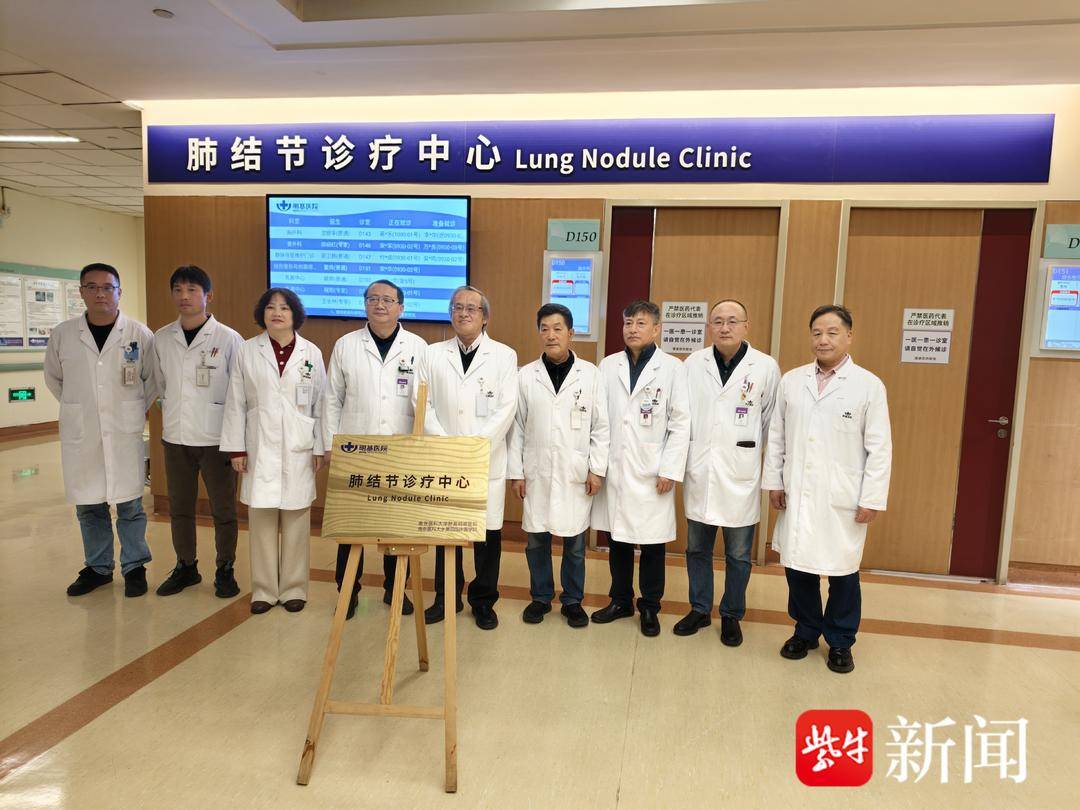
南京明基医院肺结节诊疗中心正式揭牌,多学科协作构筑肺癌防治新阵线
Yang Zi Wan Bao Wang· 2025-12-24 11:44
Core Viewpoint - The establishment of the Lung Nodule Diagnosis and Treatment Center at Nanjing Mingji Hospital aims to provide comprehensive management for lung nodule patients, addressing the increasing detection rates and associated public anxiety while promoting early screening, diagnosis, and treatment of lung cancer [1][3]. Group 1: Center Objectives and Structure - The center integrates multidisciplinary resources to offer a full-cycle management approach, from precise screening to personalized follow-up and necessary interventions [1][3]. - It brings together experts from various fields, including thoracic surgery, respiratory and critical care medicine, imaging, pathology, and oncology, to collaboratively analyze and interpret lung nodules [3][4]. Group 2: Clinical Approach and Recommendations - The center emphasizes the importance of monitoring changes in lung nodules, particularly those under 8mm, suggesting that immediate intervention is not recommended unless significant changes occur [3]. - Early screening and detection are highlighted as the most effective means to combat lung cancer, with recommendations for high-risk individuals (aged 40+, long-term smokers, those with occupational exposure or family history) to include low-dose CT scans in their regular health check-ups [3][4]. Group 3: Patient Communication and Decision-Making - The center aims to create a "one-stop" management platform that not only focuses on technical assessments but also emphasizes effective communication and shared decision-making with patients [4]. - The goal is to ensure patients understand their nodule status, follow-up plans, and the rationale behind them, fostering a collaborative approach to healthcare [4].
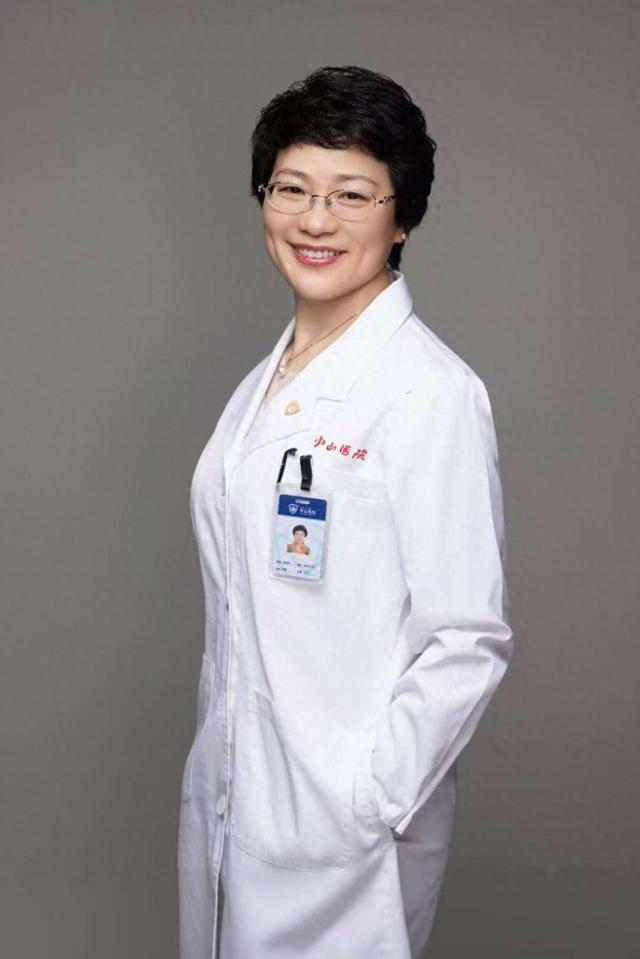
专家科普:规范化诊疗需从“早”到“晚”
Xin Jing Bao· 2025-11-11 07:56
Core Insights - Lung cancer is the most prevalent and deadly malignancy in China, with 1.0606 million new cases and 733,000 deaths reported in 2022 [1] - The five-year survival rate for lung cancer patients in China is gradually increasing, supported by national cancer prevention strategies [2] - Early diagnosis and treatment are crucial for improving survival rates, with multidisciplinary teams (MDT) playing a significant role in personalized treatment plans [3][4] Group 1: Lung Cancer Statistics and Trends - In 2022, China reported 1.0606 million new lung cancer cases and 733,000 deaths, highlighting the severity of the disease [1] - The "Healthy China 2030" initiative aims to increase the overall five-year cancer survival rate to 46.6% by 2030, with lung cancer survival rates also on the rise [2] Group 2: Early Detection and Management - The detection rate of lung nodules in China is approximately 20%, emphasizing the importance of public awareness regarding lung nodules as early signs of lung cancer [2] - Comprehensive management of lung nodules should include screening, follow-up, and intervention to enhance early detection and treatment [2] Group 3: Treatment Advances - Surgical intervention remains key for early-stage lung cancer, with minimally invasive techniques improving recovery times and treatment outcomes [3] - For late-stage lung cancer patients, treatment goals shift from cure to prolonging survival and enhancing quality of life, with new therapies like targeted and immunotherapy showing promise [3] Group 4: Multidisciplinary Approach - MDTs facilitate collaborative treatment planning by integrating expertise from various medical fields, leading to personalized and effective treatment strategies [4] - The MDT approach allows for a comprehensive evaluation of treatment options, optimizing decision-making and improving patient outcomes [4]