
特瑞普利单抗

Search documents
华源晨会精粹20260324-20260324
Hua Yuan Zheng Quan· 2026-03-24 12:08
Group 1: Fixed Income/Banking - The overall scale of corporate annuities in China continued to expand in Q4 2025, with a decrease in investment returns compared to the previous quarter [7][8] - The number of enterprises establishing annuity plans increased by 2,730 to 178,000, and the number of insured employees rose by 109,400 to 3,343,000, indicating steady growth in scale metrics [8][9] - The average management scale of insurance funds is higher than that of public funds, with several institutions showing significant growth in both scale and percentage increase [7][11] Group 2: Robotics - Yushu Technology's IPO has been accepted, aiming to become the first humanoid robot company listed on A-shares, with over 5,500 humanoid robots shipped in 2025, ranking first globally [14][15] - The domestic humanoid robot industry is accelerating its capitalized process, with multiple companies completing significant financing rounds in 2026 [15][16] - The government is increasingly prioritizing the embodied intelligence industry, with new national standards being established to support the sector [16][17] Group 3: Construction/Building Materials - Infrastructure fixed asset investment reached 1.88 trillion yuan in January-February 2026, a year-on-year increase of 11.40%, with significant growth in energy and public facilities sectors [23][24] - The issuance of special bonds is accelerating, with a cumulative issuance of 1.048 trillion yuan as of March 22, 2026, reflecting a 50.82% year-on-year increase [24] - The construction investment logic is shifting towards structural investments that serve national strategies and security needs, particularly in energy and water resources [26][27] Group 4: Food and Beverage - China Resources Beer reported a total revenue of 37.985 billion yuan in 2025, a slight decrease of 1.68%, with a net profit of 3.371 billion yuan, down 28.87% due to goodwill impairment in its liquor business [28][30] - The beer segment showed resilience with a revenue of 36.49 billion yuan, maintaining stable performance despite a slight decline in sales volume [29][30] - Wanchen Group achieved a revenue of 51.459 billion yuan in 2025, a year-on-year increase of 59.17%, with a net profit of 1.345 billion yuan, reflecting a significant growth in its snack retail business [32][33] Group 5: Pharmaceuticals - Junshi Biosciences, established in December 2012, focuses on innovative therapies and reported a sales revenue of 2.068 billion yuan for its core product in 2025, a growth of 37.72% [36][37] - The company has multiple potential products in its pipeline that are expected to contribute to revenue growth, including a PD-1/VEGF dual antibody and a CLDN18.2 ADC [37][38] - The company is projected to have total revenues of 3.398 billion yuan in 2026, with a strong emphasis on innovation and clinical development [38]


君实生物(688180):创新实力强劲,有望迎来关键兑现期
Hua Yuan Zheng Quan· 2026-03-23 15:08
Investment Rating - The report assigns a "Buy" rating for Junshi Biosciences, indicating strong innovation capabilities and potential for significant value realization in the near future [5][8]. Core Insights - Junshi Biosciences, established in December 2012, is a leading innovative biopharmaceutical company focused on the discovery, development, and commercialization of innovative therapies. The company has a robust pipeline and a solid foundation in its existing products, particularly the PD-1 monoclonal antibody, Toripalimab, which is expected to generate substantial revenue growth [7][10]. - The company is expected to achieve significant revenue growth, with projected revenues of RMB 33.98 billion, RMB 45.50 billion, and RMB 57.80 billion for the years 2026 to 2028, respectively. The net profit is forecasted to improve from a loss of RMB 4.97 billion in 2026 to a profit of RMB 7.64 billion by 2028 [6][8]. Summary by Relevant Sections Market Performance - The closing price of Junshi Biosciences is RMB 31.29, with a total market capitalization of RMB 32,125.13 million and a total share capital of 1,026.69 million shares. The company has an asset-liability ratio of 51.09% and a net asset value per share of RMB 5.87 [3]. Revenue and Profit Forecast - Revenue projections for Junshi Biosciences are as follows: RMB 1,948 million in 2024, RMB 2,498 million in 2025, RMB 3,398 million in 2026, RMB 4,550 million in 2027, and RMB 5,780 million in 2028, with corresponding year-on-year growth rates of 29.67%, 28.23%, 36.00%, 33.89%, and 27.06% [6][8]. - The forecasted net profit for the same years is expected to be a loss of RMB 1,281 million in 2024, a loss of RMB 875 million in 2025, a loss of RMB 497 million in 2026, a profit of RMB 258 million in 2027, and a profit of RMB 764 million in 2028, with significant improvements in profitability anticipated [6][8]. Product Pipeline and Innovation - Junshi Biosciences has a strong pipeline with several late-stage clinical candidates expected to enter the market soon. Key products include JS207, a PD-1/VEGF bispecific antibody, and JS107, a CLDN 18.2 ADC, both of which show promising clinical data and potential for rapid approval [10][28]. - The company’s lead product, Toripalimab, is expected to generate sales of RMB 20.68 billion in 2025, reflecting a year-on-year growth of 37.72%. The product has received multiple approvals for various indications and is positioned to capture significant market share [21][17]. Management and Strategy - The management team of Junshi Biosciences is experienced in drug development and commercialization, with key appointments aimed at enhancing the company's strategic direction and operational efficiency. The team includes professionals with extensive backgrounds in oncology and biopharmaceuticals [14][15]. Competitive Landscape - Junshi Biosciences is well-positioned in the competitive landscape of innovative biopharmaceuticals, particularly in the PD-1/VEGF dual antibody space, which has seen significant investment and interest from global pharmaceutical companies [40][41].
张文宏,最新发声
第一财经· 2026-03-06 15:48
Core Viewpoint - The article emphasizes that China's biopharmaceutical industry is recognized as a "new pillar industry" at the national level, with significant global influence and innovative drug development, but raises concerns about the early sale of promising drugs to foreign companies instead of retaining them for domestic use [3][4]. Group 1: Industry Insights - In 2025, the transaction value for China's innovative drug licensing agreements is expected to exceed $130 billion, with over a hundred transactions reported [3]. - The example of BioNTech acquiring a drug from a Chinese company for under $1 billion and reselling it for over $10 billion highlights the lucrative nature of these transactions [3]. - The pricing issue for innovative drugs in China is a major concern, as seen with the significant price drop of Hengrui Medicine's PD-1 drug, which fell from 4.52 billion yuan in 2020 to under 2 billion yuan by 2024 [5]. Group 2: Recommendations for Improvement - Suggestions include improving the cost compensation mechanism for innovative drug usage and establishing a multi-faceted payment system involving both medical insurance and commercial insurance [6]. - There is a call for reforms in pricing and assessment mechanisms to allow for some degree of autonomous pricing for negotiated drugs [6]. - The need for a collaborative development approach among medical services, insurance, and pharmaceuticals is emphasized to ensure the sustainability of the healthcare system and the profitability of innovative drugs [4][6].


这种辅助疗法可显著延长肿瘤患者生存期,顶刊背后中国创新药力量爆发
第一财经· 2026-03-06 12:59
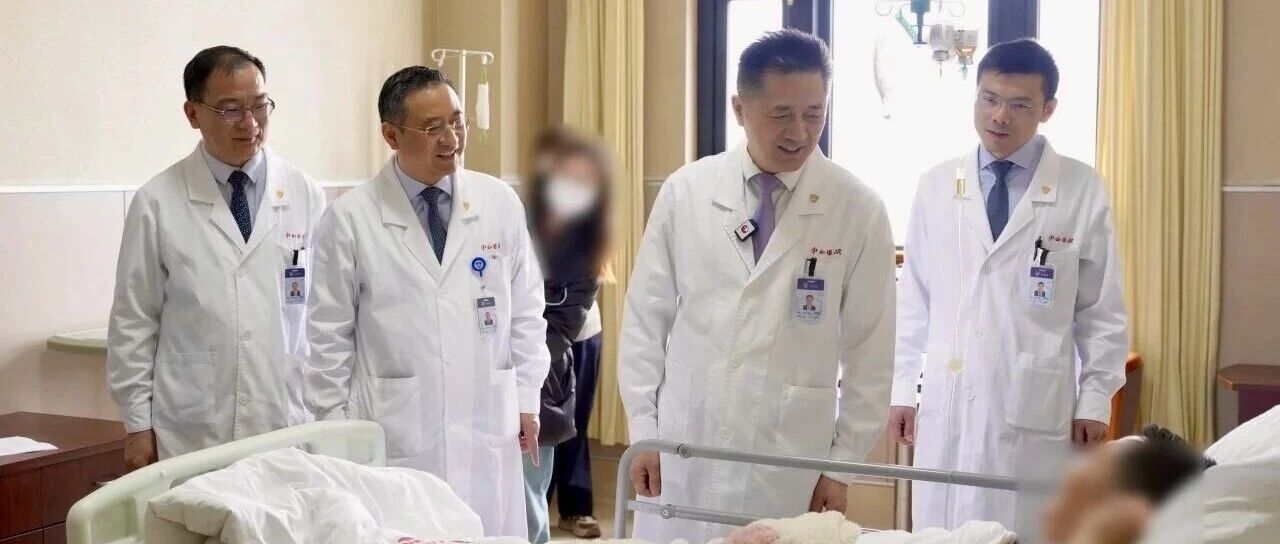
Core Viewpoint - A new preoperative adjuvant therapy significantly extends survival time for patients with intrahepatic cholangiocarcinoma, highlighting China's innovative drug development capabilities in the medical field [3][4][5]. Group 1: Research Findings - The study conducted by the team at Fudan University Zhongshan Hospital demonstrated that patients receiving three cycles of GEMOX chemotherapy combined with targeted drug Lenvatinib and immunotherapy drug Toripalimab had a median survival time of 18 months, compared to 8.7 months in the control group [4]. - The median recurrence-free survival for patients in the treatment group was 15.4 months, significantly better than the control group's 9.7 months, with a 31% reduction in recurrence risk [4][5]. - This research is the first multicenter, randomized controlled trial exploring neoadjuvant therapy for intrahepatic cholangiocarcinoma, filling an international gap and showcasing China's leading position in liver cancer treatment [5]. Group 2: Drug Development and Innovation - The PD-1 inhibitors used in the studies are original drugs developed by Chinese biopharmaceutical companies, with Camrelizumab from Heng Rui Medicine and Toripalimab from Junshi Biosciences, both included in medical insurance [6]. - In 2025, China is expected to see a surge in innovative pharmaceutical achievements, with a record 76 innovative drugs approved by the National Medical Products Administration, over 80% of which are domestically developed [6]. - The Chinese biopharmaceutical industry is recognized as a key indicator of national technological innovation and comprehensive strength, with significant advancements in tumor immunotherapy and other cutting-edge fields [6][7]. Group 3: Industry Challenges and Recommendations - Despite the progress, there is a call for enhancing original innovation capabilities to produce more globally influential results and to strengthen intellectual property protection [7]. - Recommendations include direct inclusion of innovative drugs in medical institution drug directories without hospital admission thresholds, ensuring efficient application of insurance-covered innovative drugs [7].
搭“联合舰队”,浦东引领中外企业协同出海新浪潮丨出海观察
21世纪经济报道· 2026-03-04 10:14
Core Viewpoint - Shanghai Pudong is embracing globalization by fostering collaboration between domestic and foreign enterprises for overseas expansion, moving beyond traditional models of individual company ventures and industry clusters [1][2]. Group 1: Overview of Collaboration - Pudong has a natural advantage in promoting cooperation between domestic and foreign enterprises, with 1,060 multinational company regional headquarters and 631 foreign R&D centers recognized in Shanghai as of September 2025, with nearly half located in Pudong [2]. - The collaboration primarily involves sectors such as biomedicine, new energy, foreign contracting projects, and overseas cooperation zones, focusing on five main models: overseas investment cooperation, export cooperation, strategic alliances, brand licensing, and open innovation platforms [2]. Group 2: Challenges and Needs - As companies enter the overseas phase, they face challenges related to culture, standards, compliance, supply chains, and ecosystems, shifting their focus from cost to compliance and resilience [3]. - A comprehensive compliance system is necessary to address these challenges, including technical, safety, tax, and legal compliance [3]. Group 3: Role of Foreign Enterprises - Foreign enterprises play a crucial role in providing production services, leveraging their global experience to assist Chinese companies in navigating international markets [4]. - The collaboration creates a new globalization dividend, allowing Chinese companies to learn international rules and enhance risk resilience while foreign enterprises gain deeper integration into the Chinese economy [4]. Group 4: Integration and Support - Foreign production service industries fill gaps in the end-to-end capabilities of Chinese manufacturing enterprises, which often struggle with planning, construction, and operation [6]. - Companies like Rockwell Automation are establishing centers to support automation and digital transformation, helping enterprises find replicable scenarios for successful overseas operations [6][8]. Group 5: Innovation and R&D - Chinese enterprises are entering a high-level overseas phase focused on R&D and innovative products, with collaborations like that of Junshi Biosciences and Cytiva exemplifying this trend [10]. - The biopharmaceutical sector faces various challenges in international markets, with a strong demand for innovative solutions and regulatory compliance [10]. Group 6: Ecosystem Development - Pudong has established a comprehensive service system to support internationalization, including the GOI initiative for open innovation and the establishment of ESG alliances to address sustainability challenges [18][20]. - The integration of professional service resources, including legal, financial, and strategic support, is crucial for facilitating overseas operations for both domestic and foreign enterprises [22][23]. Group 7: Policy Support - The Pudong government provides extensive support for enterprises' overseas endeavors, offering public service policies and professional services to reduce operational costs and compliance risks [23]. - The "Pudong Model" represents a systematic approach to enhancing the "going out" strategy, contributing to the dual circulation development pattern [23].



多款罕见病“救命药”可报销
Xin Lang Cai Jing· 2026-02-27 22:32
Core Insights - The theme for this year's International Rare Disease Day is "Not Just Rare," highlighting the importance of addressing rare diseases and improving access to treatment [1] Group 1: Policy Changes - The new national medical insurance drug list and the first commercial health insurance innovative drug list were implemented in January, allowing reimbursement for critical drugs for rare diseases like neuroblastoma [1][2] - The inclusion of drugs for six rare diseases, including neuroblastoma, short bowel syndrome, and Gaucher disease, in the first commercial insurance list marks a significant policy shift [2] Group 2: Treatment Advancements - Neuroblastoma, a common rare disease with an incidence rate of approximately 7.72 per million, has a high-risk group comprising over 50% of cases, with a five-year survival rate of less than 50% [1] - The drug Naxitamab injection can increase the survival rate of high-risk neuroblastoma patients from 50% to between 65% and 70%, recognized as an effective treatment method [1] - The new national medical insurance list added four new rare disease drugs, bringing the total number of rare disease medications to over 100, covering more than 50 disease types [2] Group 3: Financial Impact - The high cost of treatment previously deterred many families, with a single treatment cycle for a 15 kg child costing approximately 150,000 yuan, requiring at least five cycles [2] - With the new policy, the reimbursement rate for Naxitamab injection exceeds 30%, providing financial relief to families [2] - The inclusion of the innovative drug Toripalimab for melanoma in the national medical insurance list can save patients 50% to 70% on treatment costs, reducing annual expenses from about 42,000 yuan to approximately 13,000 yuan [2]
君实生物涨0.18%,成交额2.13亿元,今日主力净流入-1345.13万
Xin Lang Cai Jing· 2026-02-27 08:16
Core Viewpoint - Junshi Biosciences is actively developing a monkeypox recombinant protein vaccine in collaboration with several prestigious institutions, indicating a strategic focus on innovative vaccine development and expanding its product pipeline [2][3]. Group 1: Company Developments - On October 27, 2023, Junshi Biosciences announced a partnership with Peking University, the Institute of Microbiology of the Chinese Academy of Sciences, Shanxi Higher Innovation Research Institute, and Beihang University to jointly develop a monkeypox recombinant protein vaccine [2]. - The company’s subsidiary, Junshi Biotech, holds vaccine-related product pipelines, including monkeypox and Zika vaccines, which are currently in preclinical development [2]. - Junshi Biosciences aims to establish itself as a global innovative pharmaceutical company with a complete industry chain capability from drug discovery to commercialization [3]. Group 2: Financial Performance - For the period from January to September 2025, Junshi Biosciences reported revenue of 1.806 billion yuan, representing a year-on-year growth of 42.06%, while the net profit attributable to shareholders was -596 million yuan, a year-on-year increase of 35.72% [9]. - The company’s main business revenue composition includes 90.67% from drug sales, 8.74% from technology licensing, and 0.59% from technical services and others [9]. Group 3: Product Pipeline and Innovations - Junshi Biosciences has developed a significant product portfolio, including the core product Toripalimab, which is the first domestically approved PD-1 monoclonal antibody in China, with 11 approved indications and one supplemental NDA under review [3]. - The company is also advancing Tifcemalimab, the first anti-BTLA monoclonal antibody to enter clinical development, with ongoing Phase III registration studies and multiple Phase I/II studies in various tumor types [3]. Group 4: Technological Advancements - The company has deployed an AI translation platform that has replaced over 80% of external translation services for scientific literature, clinical trials, and quality management [4]. - Junshi Biosciences has introduced a digital employee, "i Xiao Jun," powered by AI, to provide medical information, IT support, and internal knowledge queries for frontline sales [4].
君实生物跌2.33%,成交额3.03亿元,后市是否有机会?
Xin Lang Cai Jing· 2026-02-26 08:13
Core Viewpoint - Junshi Biosciences is actively developing a monkeypox recombinant protein vaccine in collaboration with several prestigious institutions, indicating a strong focus on innovative vaccine development and a commitment to expanding its product pipeline in the biopharmaceutical sector [2][3]. Group 1: Company Developments - On October 27, 2023, Junshi Biosciences announced a partnership with Peking University, the Institute of Microbiology of the Chinese Academy of Sciences, Shanxi Advanced Innovation Research Institute, and Beihang University to jointly develop a monkeypox recombinant protein vaccine [2]. - The company’s subsidiary, Junshi Biotech, is involved in the development of various vaccine-related products, including monkeypox and Zika vaccines, which are currently in the preclinical development stage [2]. - Junshi Biosciences has a complete industry chain capability from drug discovery and development to global clinical research, large-scale production, and commercialization, aiming to become a leading innovative pharmaceutical company [3]. Group 2: Product Pipeline and Achievements - Junshi's core product, Toripalimab, is the first domestically approved PD-1 monoclonal antibody in China, with 11 approved indications and one supplemental NDA under review, showcasing its market potential [3]. - The company has also developed Tifcemalimab, the world's first anti-BTLA monoclonal antibody entering clinical development, with ongoing Phase III clinical trials and multiple Phase Ib/II studies in various tumor types [3]. - Junshi is exploring early-stage pipelines, with several products expected to initiate key registration clinical trials by 2025 [3]. Group 3: Financial Performance - For the period from January to September 2025, Junshi Biosciences reported revenue of 1.806 billion yuan, a year-on-year increase of 42.06%, while the net profit attributable to shareholders was -596 million yuan, reflecting a 35.72% year-on-year growth [9]. - The company’s main business revenue composition includes 90.67% from drug sales, 8.74% from technology licensing, and 0.59% from technical services and others [9]. Group 4: Market Position and Shareholder Information - As of September 30, 2025, Junshi Biosciences had 35,900 shareholders, an increase of 15.17% from the previous period, with an average of 21,361 circulating shares per person, a decrease of 12.96% [9]. - The company is part of the pharmaceutical and biotechnology sector, focusing on biopharmaceuticals and virus prevention, with significant involvement in monkeypox and COVID-19 related products [9].
君实生物涨0.00%,成交额2.16亿元,近3日主力净流入-4640.47万
Xin Lang Cai Jing· 2026-02-24 07:43
Core Viewpoint - Junshi Biosciences is actively developing a monkeypox recombinant protein vaccine in collaboration with several prestigious institutions, indicating a strategic focus on innovative vaccine development and expanding its product pipeline [2][3]. Group 1: Company Developments - On October 27, 2023, Junshi Biosciences announced a partnership with Peking University, the Institute of Microbiology of the Chinese Academy of Sciences, Shanxi Higher Innovation Research Institute, and Beihang University to jointly develop a monkeypox recombinant protein vaccine [2]. - The company’s subsidiary, Junshi Biotech, is involved in the development of various vaccine-related products, including monkeypox and Zika vaccines, which are currently in the preclinical development stage [2]. - Junshi Biosciences has a complete industry chain capability from drug discovery and development to global clinical research, large-scale production, and commercialization, aiming to become a leading innovative pharmaceutical company [3]. Group 2: Product Pipeline and Innovations - The core product, Toripalimab, is the first domestically approved PD-1 monoclonal antibody in China, with 11 approved indications and one supplemental NDA under review, showcasing its market potential [3]. - The company’s self-developed Tifcemalimab is the first anti-tumor anti-BTLA monoclonal antibody to enter clinical development, with ongoing Phase III registration clinical studies and multiple Phase Ib/II studies in progress [3]. - Junshi Biosciences is exploring early-stage pipelines, with several products expected to initiate key registration clinical trials by 2025 [3]. Group 3: Financial Performance - For the period from January to September 2025, Junshi Biosciences reported revenue of 1.806 billion yuan, a year-on-year increase of 42.06%, while the net profit attributable to shareholders was -596 million yuan, reflecting a 35.72% year-on-year growth [9]. - The company’s main business revenue composition includes 90.67% from drug sales, 8.74% from technology licensing, and 0.59% from technical services and others [9]. Group 4: Market Position and Shareholder Information - As of September 30, 2025, Junshi Biosciences had 35,900 shareholders, an increase of 15.17% from the previous period, with an average of 21,361 circulating shares per person, a decrease of 12.96% [9]. - The company is categorized under the pharmaceutical and biological industry, specifically in the bioproducts sector, and is involved in various concept sectors including monkeypox, exclusive drugs, and biomedicine [9].
君实生物控股股东增持,股价短期调整,机构看好创新药前景
Jing Ji Guan Cha Wang· 2026-02-12 05:49
Group 1 - The core viewpoint of the article highlights that Junshi Biosciences' major shareholder has increased their stake, and the company is advancing its monkeypox vaccine and other pipelines, demonstrating a full industry chain capability [1][2]. Group 2 - Recent events include the major shareholder, Xiong Jun, increasing their stake by acquiring 100,000 A-shares, which represents 0.01% of the total share capital, with an investment of 3.8384 million yuan. The shareholder plans to invest no less than 100 million yuan over the next 12 months, indicating internal confidence [2]. - The company is actively developing innovative drugs, with its monkeypox vaccine pipeline currently in the preclinical stage. In October 2023, Junshi Biosciences collaborated with several research institutions to develop a recombinant protein vaccine for monkeypox, showcasing its full industry chain capability [2]. Group 3 - In terms of stock performance, Junshi Biosciences' A-share price fluctuated significantly over the past week, closing at 35.72 yuan on February 10, 2026, with a single-day increase of 0.90%. However, by February 12, the price fell to 34.72 yuan, reflecting a decrease of 0.88% [3]. - The trading volume on February 12 showed a net outflow of 18.32 million yuan from institutional investors, while retail investors saw a net inflow of the same amount. The financing balance remained high at 1.427 billion yuan as of February 11, indicating market divergence [3]. Group 4 - Institutional perspectives from Guojin Securities suggest that the innovative drug sector is entering a performance disclosure window, with Junshi Biosciences and similar companies expected to reduce losses or turn profitable. The report emphasizes a shift in investment strategy towards selective focus on cutting-edge areas such as ADC and bispecific antibodies, while also highlighting the importance of companies with independent production capabilities [4]. - Junshi Biosciences is recognized as a leading player in the domestic innovative drug sector, with its international expansion and pipeline progress, such as the volume increase of Tislelizumab, being long-term focal points, although research and development risks should be considered [4].