
国企反腐

Search documents
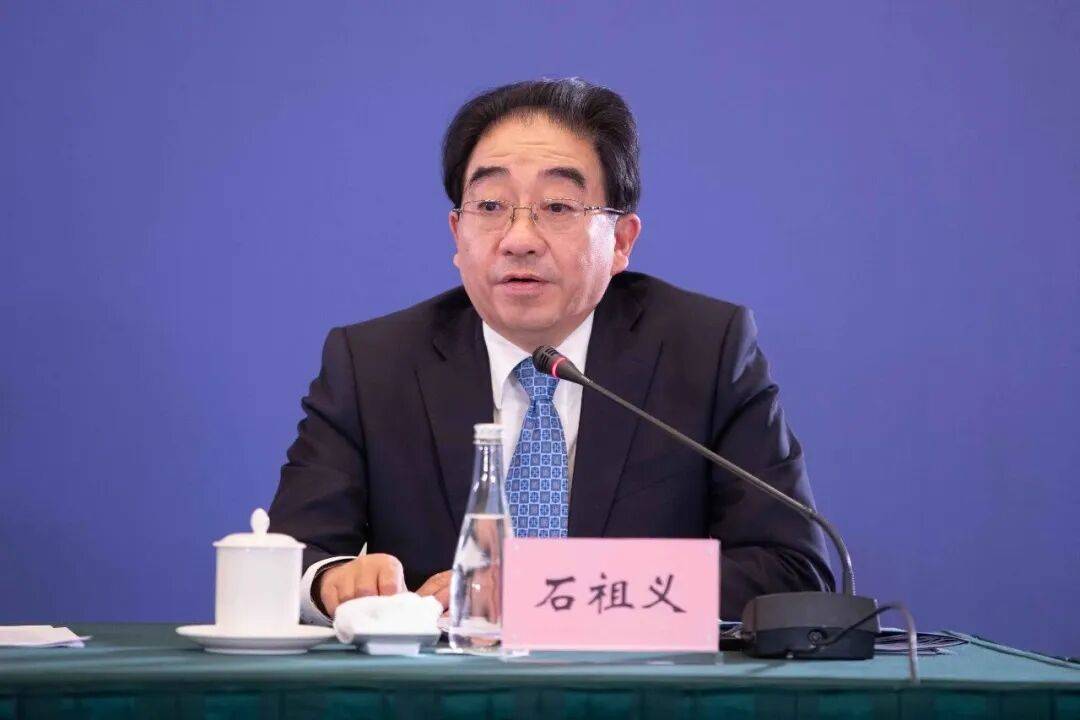
人事丨石祖义被查,三月内两名川航董事长落马
Sou Hu Cai Jing· 2026-01-22 12:47
Group 1 - Sichuan Airlines Group's former Party Secretary and Chairman, Shi Zuyi, is under investigation for serious violations of discipline and law by the Sichuan Provincial Commission for Discipline Inspection and Supervision [2] - Shi Zuyi has a long history in the aviation sector, having held various positions in Southwest Airlines and Sichuan Airlines, including financial director and general manager [2] - During his tenure, Shi Zuyi promoted Sichuan Airlines' involvement in the construction of the Chengdu International Aviation Hub [2] Group 2 - Former Chairman of Sichuan Airlines Group, Wang Fengchao, was investigated for violations of discipline and law, having previously led state-owned enterprise reforms in Sichuan [3] - Wang Fengchao's investigation was linked to his roles in Sichuan Airlines and other companies, with media reports suggesting scrutiny began in 2024 [3] - Other notable investigations include Wu Deyun, General Manager of the Business Committee, and Zhou Deting, former Party Secretary and Deputy General Manager of Tianfu Branch, who was sentenced for bribery [3]

派驻中管企业纪检监察组坚决惩治腐败 以高质量办案保障高质量发展
Zhong Yang Ji Wei Guo Jia Jian Wei Wang Zhan· 2025-11-27 00:24
Group 1 - The National Pipeline Group's Fujian branch has expelled a former level-five specialist for serious disciplinary violations, and the case has been transferred to the prosecution for legal review [1] - The Central Commission for Discipline Inspection (CCDI) emphasizes the importance of addressing corruption in state-owned enterprises to protect state assets and maintain the Party's governance foundation [1] - The CCDI is committed to a high-pressure stance against corruption, focusing on key issues, areas, and new forms of corruption, ensuring strict enforcement against those who do not comply [1] Group 2 - The CCDI's inspection teams are intensifying efforts to address corruption in coal sales, procurement, and construction, particularly targeting severe violations related to coal [2] - The use of big data analysis is being promoted to enhance the quality of case investigations, with a focus on identifying and addressing hidden corruption [3] - The CCDI is developing guidelines and handbooks to standardize and improve the quality of case handling in state-owned enterprises [4]
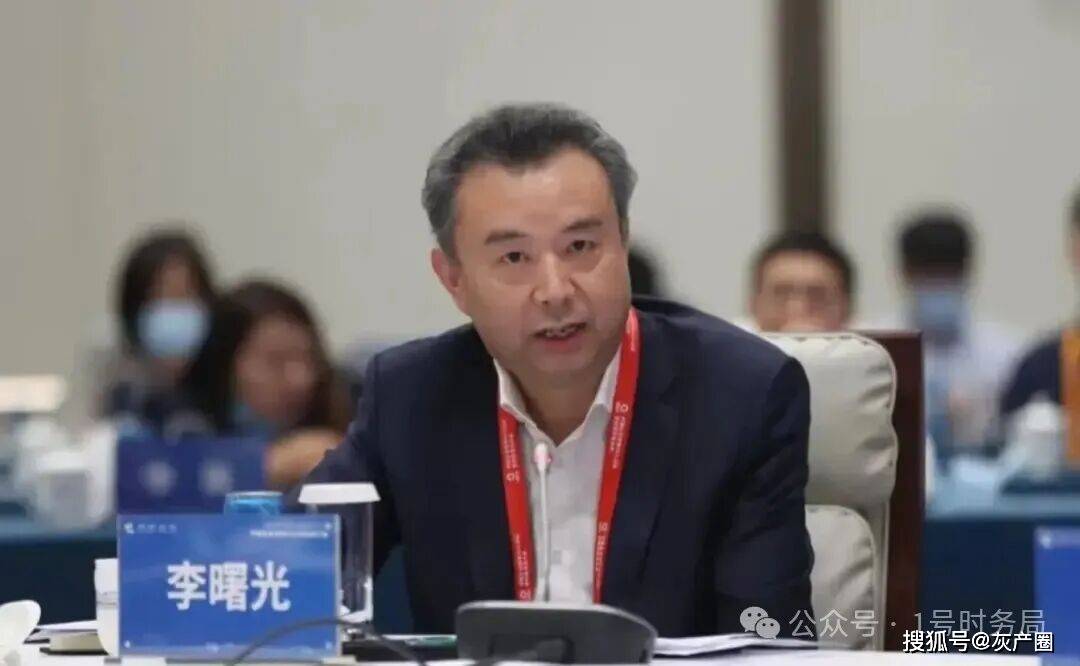
五粮液董事长李曙光的敛财之道
Sou Hu Cai Jing· 2025-10-30 04:34
Core Viewpoint - The article discusses the downfall of Li Shuguang, the former chairman of Wuliangye Group, who was expelled from the party and public office due to serious corruption allegations, including bribery and illegal profit-making for relatives and friends [2][29]. Group 1: Background and Rise - Li Shuguang, born in 1962, began his career in the Sichuan economic and trade system, gradually rising through various government positions over 30 years [3][4][5]. - In 2017, he became the chairman of Wuliangye Group, taking over during a recovery phase for the liquor industry, and initiated a "second entrepreneurship" strategy [8][9][10]. - Under his leadership, Wuliangye's revenue grew from over 70 billion yuan in 2016 to 140 billion yuan in 2021, with stock prices soaring from 30 yuan to 328 yuan per share [10][11]. Group 2: Corruption Mechanisms - Li utilized his power to control brand approvals, channel management, and project decisions, creating an environment conducive to corruption [12][18]. - He transformed the approval of distribution rights into a direct tool for financial gain, manipulating the distribution process to benefit himself and his associates [16][17][24]. - Li's salary increased dramatically during his tenure, but this was just a fraction of his overall illicit gains, which were primarily derived from the distribution rights and connections with distributors [14][18]. Group 3: Family and Friends Involvement - Li's corruption network included family and friends, who were involved in various business sectors related to Wuliangye, such as packaging and construction [25][26]. - He facilitated contracts for these associates, often at inflated prices, ensuring that profits flowed back to his inner circle [27][28]. Group 4: Systematic Corruption Strategy - Li's corruption strategy involved three main tactics: creating a favorable environment for corruption, seizing opportunities to extract benefits, and silencing dissent [28]. - He manipulated internal structures to ensure loyalty among key personnel, which allowed him to maintain control and avoid scrutiny [28][29]. Group 5: Consequences and Legal Action - Li's corruption was exposed in early 2023, leading to a formal investigation that revealed extensive details of his illicit activities [31][34]. - On October 27, 2025, he was officially expelled from the party and public office, with his case being transferred to judicial authorities for prosecution [35][36].

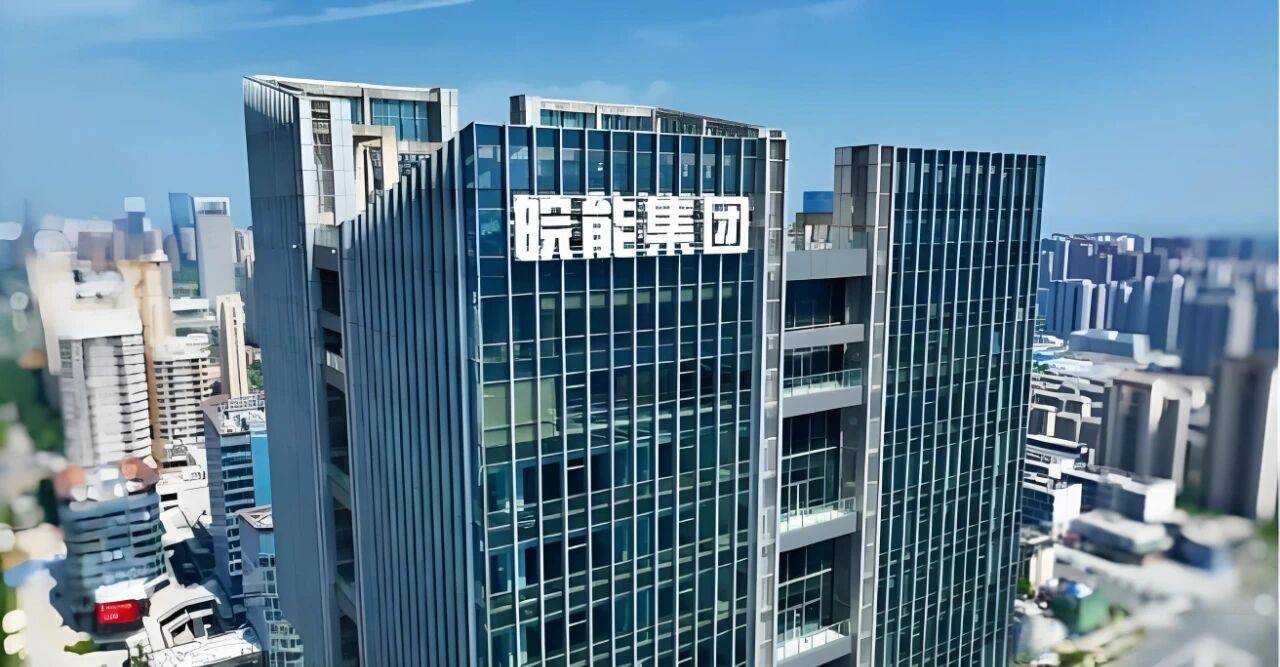
安徽一千亿国企连查三任退休董事长
Sou Hu Cai Jing· 2025-10-21 07:29
Core Viewpoint - The recent investigation into three former executives of Anhui Energy Group, including the unexpected case of former chairman Fang Ping, highlights potential systemic corruption within the organization and raises concerns about regulatory oversight in state-owned enterprises [2][4][14]. Group 1: Investigation Details - Three executives, including Chen Xiang and Li Bo, were investigated after their retirement, with Fang Ping being particularly notable as he was investigated 17 years post-retirement [4][7]. - Chen Xiang, born in 1964, was removed from his position in April 2023 and subsequently investigated two months later, while Li Bo, born in 1958, was investigated in September 2023 after six years of retirement [4][5]. Group 2: Company Overview - Anhui Energy Group is responsible for 70% of the province's electricity supply, with total assets projected to reach 116.2 billion yuan and revenue of 37.3 billion yuan by the end of 2024, alongside a profit of 5.8 billion yuan [5]. - Wan Neng Electric, the only listed platform of Anhui Energy Group, is significant within the group, expecting revenue of 30 billion yuan and a net profit of 2.1 billion yuan in 2024 [5]. Group 3: Historical Context of Fang Ping - Fang Ping had a notable career, transitioning between government and corporate roles, and was appointed as the mayor of Bengbu City at the age of 35, later becoming the general manager of Anhui Energy Group [9][13]. - His tenure at Anhui Energy Group was marked by challenges, including significant losses for Wan Neng Electric in 2005 and 2021 due to rising coal prices, suggesting that his appointment was a response to financial distress [11][12]. Group 4: Implications of Corruption Investigations - The investigations into multiple former executives suggest a potential pattern of systemic corruption within Anhui Energy Group, indicating that previous measures to curb corruption, such as the sentencing of former chairman Bai Taiping in 2019, have not been effective [14]. - The ongoing investigations may serve as a warning to other officials involved in similar sectors, highlighting the risks associated with corruption in state-owned enterprises [7][14].

万科原董事长辛杰之劫
3 6 Ke· 2025-10-13 01:57
Core Points - The resignation of Xin Jie as chairman of Vanke has drawn significant attention due to his previous role and the current challenges faced by the company [1][2] - Xin Jie has not been publicly active for some time, with recent employee letters demanding the return of investment funds, which he has not addressed [2] - His departure marks a critical moment for Vanke as it seeks to regain a healthy development trajectory [3] Company Overview - Xin Jie served as chairman of Vanke for only 260 days and has been a key figure in the Shenzhen state-owned enterprise system, leading Shenzhen Metro Group [1][3] - His leadership style is described as complex, combining decisiveness with a tendency to remain low-profile in public settings [3][4] - Despite his low-key public persona, Xin Jie has shown a penchant for fashion that contrasts with typical state-owned enterprise leaders [4] Industry Context - The construction and bidding sectors have been under scrutiny for corruption, with recent investigations highlighting issues within state-owned enterprises [5][6] - High-profile cases in the rail transit construction sector have led to multiple investigations and arrests, indicating a broader crackdown on corruption in the industry [5][6] - The upcoming inspections by central authorities in Shenzhen may further impact the operational landscape for state-owned enterprises, including Vanke [6]

重庆一体贯通监督办案整改治理 为国企高质量发展清障护航
Zhong Yang Ji Wei Guo Jia Jian Wei Wang Zhan· 2025-08-25 00:15
Core Viewpoint - The article emphasizes the ongoing efforts to combat corruption in state-owned enterprises (SOEs) in Chongqing, highlighting systematic measures taken by the local disciplinary inspection and supervision authorities to address issues such as improper subsidies, gift acceptance, and other misconduct [3][13]. Group 1: Anti-Corruption Measures - The Chongqing Municipal Commission for Discipline Inspection and Supervision is focusing on the SOE sector, implementing a closed-loop approach to address corruption and improve work ethics [3]. - A total of 63 district-level SOEs were investigated, uncovering 274 issues and leading to 14 cases being filed and 16 individuals receiving disciplinary actions [3][6]. - The authorities are integrating anti-corruption efforts with reform, system improvement, and governance to create a comprehensive approach to tackling misconduct in SOEs [3][11]. Group 2: Monitoring and Reporting Mechanisms - The "Code Reporting" platform has been established to enhance public reporting of misconduct, leading to investigations into high-interest borrowing practices by SOEs [5]. - A digital monitoring system for SOE funds has been developed to identify potential risks and unusual transactions, enhancing the detection of corruption [6][8]. - Collaboration with various departments is emphasized to broaden the sources of problem leads, ensuring effective oversight and enforcement [5][7]. Group 3: Case Studies and Enforcement Actions - Significant cases include the investigation of a former executive at Chongqing Construction Group, which utilized audit results to uncover complex corruption schemes [6][10]. - The article details multiple cases of corruption involving SOE officials, with severe penalties including expulsion from the party and imprisonment for those found guilty [9][10]. - The authorities are committed to a dual approach of investigating both bribery and corruption, ensuring accountability for all parties involved [10][11]. Group 4: Systematic Improvements and Governance - The article discusses the establishment of mechanisms for continuous monitoring and improvement of internal controls within SOEs, with 29 new regulations implemented [12]. - The focus is on creating a "clean SOE" brand through enhanced governance and risk management practices, ensuring transparency and accountability in operations [12][13]. - The Chongqing Municipal Commission for Discipline Inspection and Supervision is dedicated to maintaining a "zero tolerance" stance towards corruption, reinforcing the need for systemic reforms [13].

涉嫌严重违纪违法!这家珠海国资企业前董事长被调查
Sou Hu Cai Jing· 2025-05-16 12:35
Core Viewpoint - The article discusses the recent investigation into Hu Jia, the former chairman of Zhuhai Dahongqin Group, amid a new wave of anti-corruption efforts targeting state-owned enterprises in China [2][3]. Company Overview - Zhuhai Dahongqin Group was established in April 2009 as a state-owned enterprise in Zhuhai, primarily serving the development of the Hengqin New Area [2]. - As of December 2024, the total assets of Dahongqin Group are reported to be 160 billion yuan, with three publicly listed companies under its control and over 520 development projects completed, totaling more than 260 billion yuan in investment [2][3]. Leadership and Career of Hu Jia - Hu Jia has been a core management figure since the company's inception, overseeing the entire process of infrastructure development and industrial layout in Hengqin [2][3]. - Hu Jia, born in 1967, holds a master's degree and has extensive experience in administrative management and capital operations within state-owned enterprises [3]. Recent Developments - In early 2023, Dahongqin Group announced that Hu Jia would no longer serve as chairman, legal representative, or party secretary [2][7]. - Following Hu Jia's departure, Zhuhai initiated a new round of state-owned enterprise reforms [8]. Financial Transactions and Controversies - Dahongqin Group has engaged in several significant financial transactions, including acquiring shares in listed companies such as World Union Holdings and Baoying Co., with mixed results [4][6]. - The acquisition of World Union Holdings involved a transfer of approximately 202 million shares for about 565 million yuan, which raised concerns about the company's financial performance post-acquisition [4]. - The stock price of Baoying Co. has significantly declined from around 4 yuan per share at the beginning of 2023 to approximately 1.85 yuan, indicating a loss of half its market value [6]. Changes in Shareholding Structure - On April 27, 2024, Dahongqin Group announced a change in its controlling shareholder, transferring ownership to Zhuguang Group while remaining under the actual control of Zhuhai State-owned Assets Supervision and Administration Commission [9]. - The company stated that this change would not have a significant adverse impact on its operational, financial status, or debt repayment capabilities [9].

中央纪委国家监委网站 喻大伟 近日…
Zhong Yang Ji Wei Guo Jia Jian Wei Wang Zhan· 2025-04-13 00:38
Group 1 - The Shandong Provincial Commission for Discipline Inspection and Supervision has established 20 specific tasks and measures to address issues related to state-owned enterprises, focusing on the ongoing problem of "eating from enterprises" [1] - The central government emphasizes the importance of systematic rectification in state-owned enterprises to create a favorable environment for high-quality development [1] - The Shandong Provincial Commission has been addressing the "eating from enterprises" issue for three consecutive years, guiding 38 provincial enterprises to form problem and rectification lists [1] Group 2 - The Discipline Inspection Group at State Grid Corporation is intensifying efforts to rectify issues in the bidding and procurement sector, utilizing an internal information query platform and conducting random inspections [2] - The group has implemented regulations to optimize bidding strategies and reduce the influence of human factors through intelligent evaluation tools [2] Group 3 - The Discipline Inspection Group at China Construction Bank is conducting a year-long comprehensive governance initiative in the credit sector, focusing on corporate credit business and significant credit violations [3] - The initiative aims to enhance compliance management responsibilities and strengthen the execution of credit systems to eliminate conditions conducive to corruption [3] Group 4 - The Guangzhou Municipal Commission for Discipline Inspection is focusing on the "first leaders" of secondary enterprises under municipal management to address corruption in state-owned enterprises [4] - The commission has proposed 20 systematic treatment suggestions to address issues such as investment decision-making and project benefit transfer in state-owned enterprises [4]