大电池插混

Search documents
油价重回“9元时代”,比亚迪插混成为现实解法
Guan Cha Zhe Wang· 2026-03-25 08:08
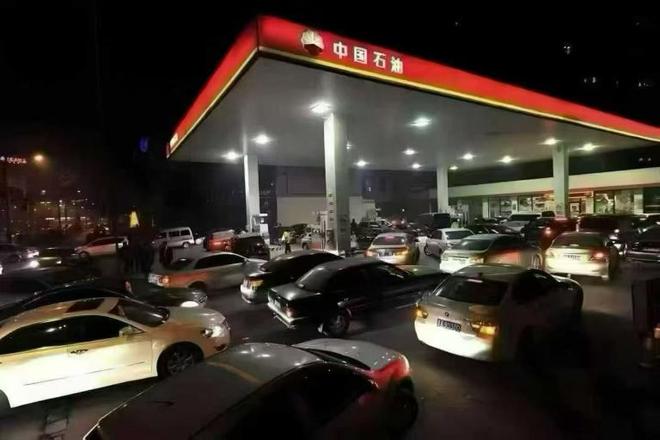
Core Viewpoint - The rising oil prices and geopolitical tensions are amplifying the value proposition of electric vehicles (EVs), particularly plug-in hybrid electric vehicles (PHEVs) like those from BYD, which offer a dual fuel option that enhances consumer certainty in uncertain times [1][5]. Group 1: Market Dynamics - The recent increase in domestic fuel prices, with gasoline rising by approximately 0.87 yuan per liter, has led to an average price of 8.53 yuan for 92-octane gasoline and over 9 yuan for 95-octane gasoline, resulting in an additional cost of around 50 yuan for a full tank [1]. - The closure of the Strait of Hormuz has driven global oil prices higher, potentially accelerating the shift towards electric vehicles, with Chinese EVs gaining a competitive edge over traditional fuel vehicles [3]. Group 2: Consumer Preferences - Mainstream family fuel vehicles are priced between 100,000 to 150,000 yuan, but consumers face challenges with short-range pure electric models in this price range, while PHEVs often have issues like limited electric range and high fuel consumption when depleted [3]. - BYD's large battery PHEVs are addressing these consumer pain points, with models like the 2026 Qin PLUS DM-i offering a pure electric range of 210 km and starting prices around 80,000 yuan [3]. Group 3: Cost Analysis - From a cost perspective, BYD's large battery PHEVs are even cheaper than comparable fuel models, with annual energy costs for daily commuting estimated at under 4,000 yuan, compared to nearly 13,000 yuan for fuel vehicles [4]. - The fifth-generation DM technology from BYD has optimized fuel consumption in depleted states to 2.6 liters per 100 km, translating to a cost of approximately 0.23 yuan per kilometer, thus extending the refueling intervals for users [4]. Group 4: Shift in Consumer Focus - In a high oil price volatility environment, consumers are increasingly concerned about the controllability of usage costs rather than just technical specifications and range figures [5]. - BYD's PHEVs are transforming uncertain energy prices into flexible travel options, providing a new level of certainty for global consumers [5].


史上销量最好?!这家“佛系”的豪华品牌,也要卷起来了?
电动车公社· 2026-01-06 16:39
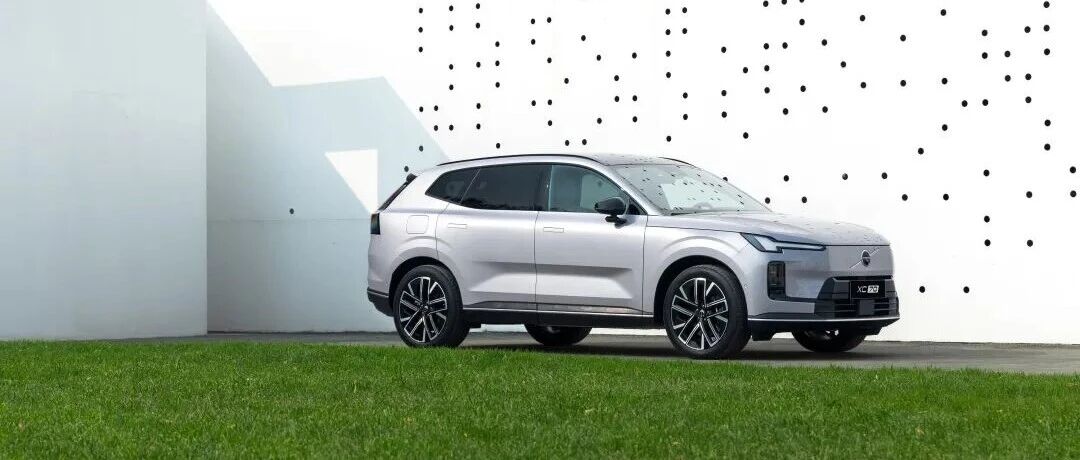
Core Viewpoint - The article discusses the unique positioning and potential of the Volvo XC70, highlighting its unexpected success in the luxury plug-in hybrid (PHEV) market, particularly in China, where it has achieved significant monthly sales figures [1][4]. Group 1: Market Positioning and Sales - The XC70 has managed to break into the top 5 in its segment, a feat previously unachieved by any luxury brand's PHEV in China, with monthly sales surpassing 5000 units [1][4]. - Traditional luxury brands have struggled with pricing strategies for PHEVs, often relying on policy advantages in major cities to maintain sales, which has become less effective as regulations change [13][15]. - The XC70's sales success is attributed to its innovative SMA hybrid architecture, which allows for a more competitive pricing strategy compared to traditional PHEVs [15][18]. Group 2: Technological Innovations - The XC70 utilizes a new SMA architecture that supports various configurations, including a large 39.6 kWh battery, enabling a pure electric range of 212 km [18][21]. - This architecture allows for a more efficient design, reducing costs and improving performance, including the use of a 1.5T engine instead of a 2.0T engine, which lowers the overall vehicle cost [21][24]. - The XC70 features advanced technology such as a centralized electronic architecture and improved user interface, enhancing the overall driving experience and usability [33][39]. Group 3: Design and User Experience - The XC70 is described as a "Nordic-inspired Chinese car," designed to meet the specific needs of Chinese consumers while maintaining Volvo's Scandinavian design ethos [30][31]. - The vehicle's interior and exterior design emphasize simplicity and functionality, aligning with the Scandinavian principle of human-centered design [54][59]. - The XC70 incorporates advanced safety features and materials that prioritize user comfort and environmental considerations, such as low-VOC materials and recyclable components [51][52]. Group 4: Future Outlook - Volvo's commitment to electrification is evident in its investment of over €2 billion and the development of the SMA architecture, indicating a strong future direction for the brand [75][76]. - The XC70 represents a significant step in Volvo's electrification strategy, with the potential to maintain a competitive edge in the evolving automotive market [77][78].