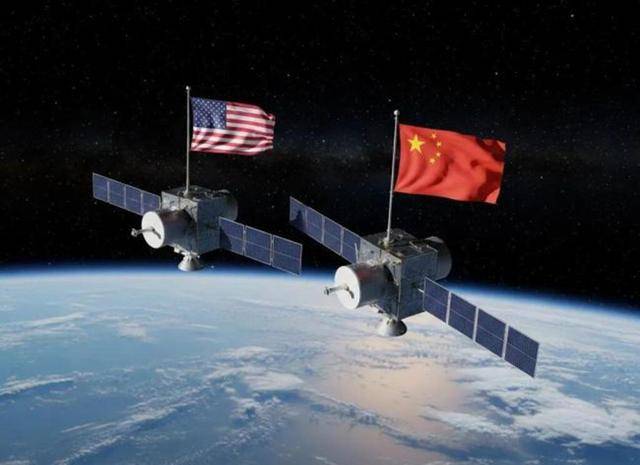
太空霸权

Search documents
100万颗卫星!马斯克掀起了“太空圈地运动”……
Xin Lang Cai Jing· 2026-02-07 23:54
Core Viewpoint - SpaceX has submitted an application to the U.S. Federal Communications Commission to deploy 1 million satellites in low Earth orbit, aiming to establish the world's first in-orbit data center, reflecting ambitions for U.S. dominance in space resources [1][4]. Group 1: SpaceX's Strategic Plans - The core mission of SpaceX's application is to create an orbital data center system with unprecedented computing power, aiming to overcome physical limitations on AI computation by utilizing the abundant solar energy and optimal cooling conditions in space [2]. - Elon Musk has indicated that the current growth of AI chip production is exponential, while power supply growth is lagging, which hampers the efficiency of data training and model deployment [2]. - The in-orbit data center plan is expected to significantly reduce costs for AI computing, enabling rapid iteration and upgrades of AI models [2]. Group 2: Military and Strategic Implications - SpaceX's Starlink system, while marketed as a civilian satellite network, serves as a strategic tool for military integration, being a key contractor for NASA and the U.S. Department of Defense [5]. - The implementation of the space data center plan could enhance U.S. military capabilities in space, allowing for real-time target identification and ballistic calculations, thus reducing response times from hours to seconds [5]. - The large-scale satellite distribution architecture is highly resilient, ensuring that the network remains operational even if individual satellites are damaged [6]. Group 3: Resource Competition and Risks - Low Earth orbit and frequency spectrum are considered scarce strategic resources, with the capacity for satellites limited to approximately 175,000 due to safety distances [7]. - SpaceX's application for 1 million satellites exceeds the current total of approximately 15,000 operational satellites, potentially leading to a monopolistic situation that could restrict other nations' access to space [8]. - The dense deployment of satellites raises collision risks and could lead to the Kessler syndrome, where space debris creates a hazardous environment for future satellite operations [8].
星链彻底成功那天,地球人要被美国拿捏了?马斯克的星链计划要是真能彻底成功,别被所谓 “全球通信革新” 的噱头骗了,这根本不是全人类的福利,而是藏着獠牙的科技威胁。是美国在太空搞霸权霸凌的赤裸裸表现,其他国家要是没拿出靠谱的反制手段,往后在太空领域只会处处被动,后果真的没法想象。...
Sou Hu Cai Jing· 2026-01-13 02:31
Core Viewpoint - The success of SpaceX's Starlink program may not be a global benefit but rather a manifestation of U.S. technological dominance, posing significant risks to other nations' sovereignty and security [1][2]. Group 1: Technological Implications - Starlink's network, consisting of over 40,000 terminals, allows for direct communication without traditional ground infrastructure, enabling effective military operations in conflict zones like Ukraine [2]. - The introduction of the "Starshield" program, which plans to launch 15,000 satellites, indicates a shift from civilian to military applications, raising concerns about the potential for coercive control over nations reliant on this technology [2][3]. Group 2: Geopolitical Risks - The limited physical space in low Earth orbit and the scarcity of radio frequencies create a competitive environment where the first to occupy these resources can exert control over others, likening it to monopolizing a vital road [3][4]. - The aggressive deployment of Starlink satellites has previously posed collision risks to international space stations, highlighting the potential for geopolitical tensions and operational hazards in space [4][6]. Group 3: Security Concerns - The proliferation of Starlink technology could inadvertently facilitate global terrorism, as the widespread availability of such systems may fall into the wrong hands, complicating security measures [5]. - Without developing independent satellite systems, nations risk becoming overly dependent on foreign technology, which could lead to vulnerabilities in national defense and communication infrastructures [5].

目标直指中国空间站?马斯克宣布Space X新动作:4400颗卫星集体降轨
Sou Hu Cai Jing· 2026-01-06 06:40
Core Viewpoint - The article discusses the escalating technological competition between the U.S. and China, particularly focusing on the recent actions of SpaceX regarding its Starlink satellites, which are perceived as a direct threat to China's space station [1][4]. Group 1: U.S. Actions and Motivations - The U.S. has been imposing sanctions on China since 2019, particularly targeting the semiconductor industry, but the recent focus has shifted to space, specifically targeting China's space station [1][4]. - SpaceX announced a "deorbiting plan" for approximately 4,400 Starlink satellites, lowering them to around 480 kilometers, which brings them dangerously close to China's Tiangong space station, which operates at about 400 kilometers [1][4]. - The U.S. claims that this deorbiting is for safety and to reduce space debris, but this rationale is viewed as disingenuous given the potential risks it poses to other satellites and space stations [7][9]. Group 2: International Norms and Regulations - SpaceX's actions are seen as a violation of international space norms, as large-scale orbital maneuvers should be communicated to international space agencies and relevant countries to avoid collision risks [9][12]. - The lack of proper communication and coordination with international bodies raises concerns about the potential for catastrophic consequences in near-Earth orbit [12][14]. Group 3: China's Response and Capabilities - In response to U.S. actions, China has developed a comprehensive space safety defense, including a "Tianwen" space telescope network for tracking space debris and a laser deorbiting device for immediate threats [13][14]. - China is also leading the drafting of a "Low Earth Orbit Satellite Operation Convention," emphasizing accountability for orbital changes, which could isolate the U.S. in the international community [14].
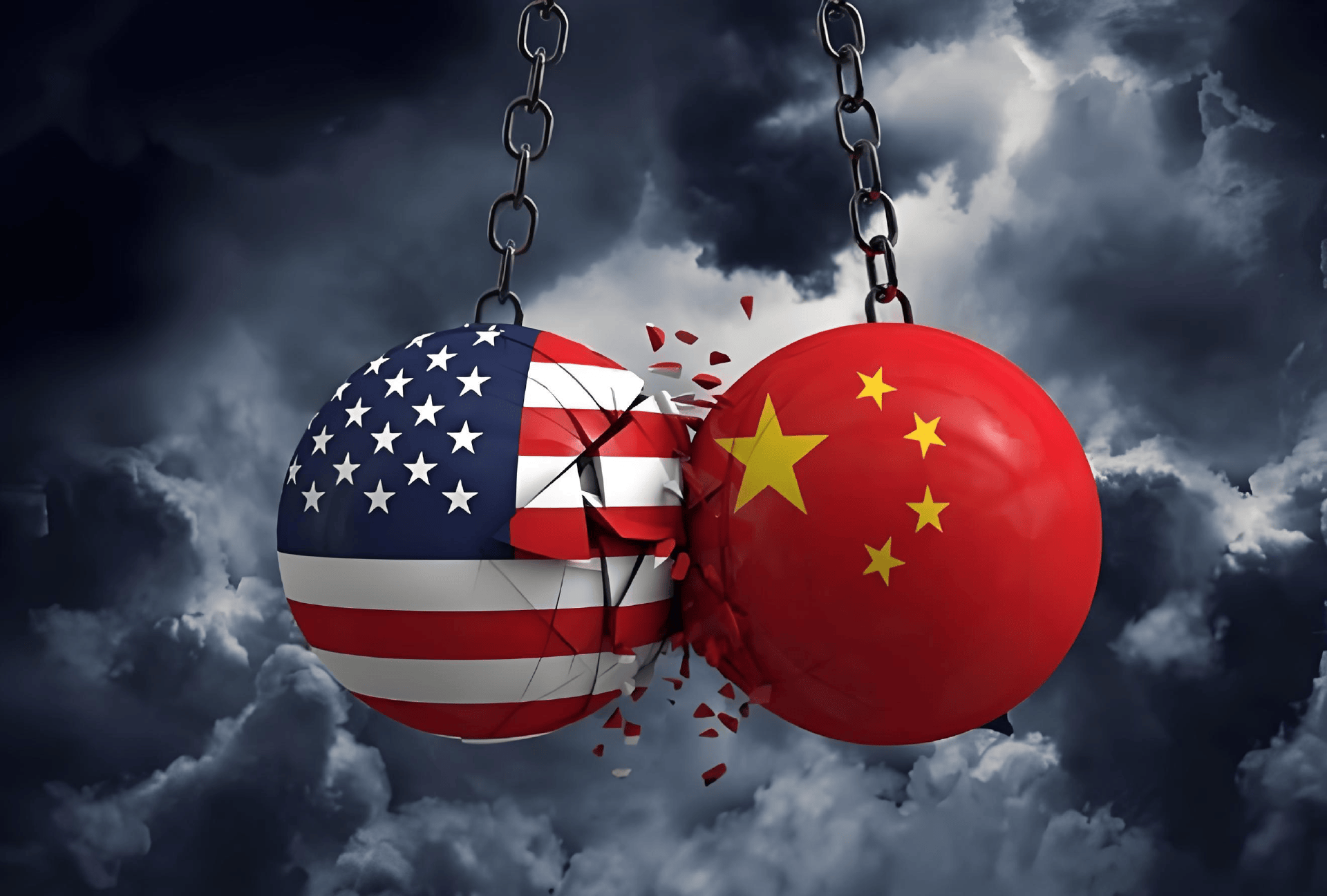
“星链”搞危险动作,差200米与中国卫星相撞,马斯克副手倒打一耙
Sou Hu Cai Jing· 2025-12-19 05:50
Core Viewpoint - The recent incident involving Chinese and American satellites in space highlights the growing tensions and complexities in space operations, particularly with SpaceX's Starlink program being criticized for its operational practices and lack of accountability [1][4][8] Group 1: Incident Overview - SpaceX's Starlink Vice President Michael Nichols claimed that Chinese satellites came dangerously close to American satellites, with a minimum distance of 200 meters, attributing the incident to a lack of prior coordination from the Chinese side [1][3] - Chinese aerospace company China Aerospace Science and Technology Corporation (CASC) clarified that their launch of nine satellites occurred well before the alleged close encounter, indicating that the situation was beyond their control [3][4] Group 2: SpaceX's Operational Practices - SpaceX operates over 9,300 Starlink satellites, accounting for nearly two-thirds of the active satellites in low Earth orbit, contributing to significant congestion in space [4][5] - The operational method of Starlink satellites involves frequent maneuvers for orbit adjustments, which increases the risk of close encounters with other satellites [5][7] Group 3: Communication and Accountability - The U.S. has restricted NASA and related agencies from engaging in substantial cooperation with China in space, which complicates communication channels and leads to accusations of insufficient coordination from SpaceX [7][8] - The narrative constructed by SpaceX appears to focus on establishing itself as a guardian of space order while deflecting responsibility for the risks associated with its extensive satellite deployment [8]