
季节性情感障碍

Search documents
冬天心情不好是种病 试试这个天然情绪处方
Xin Lang Cai Jing· 2026-01-21 19:35
Core Insights - Seasonal Affective Disorder (SAD) is a health issue closely related to winter, characterized by low mood and lack of interest in daily activities, often referred to as "winter depression" [1] - The condition is prevalent in high-latitude regions where winter days are shorter and colder, with its onset typically occurring in autumn and winter, and alleviating in spring and summer [1] - The underlying mechanisms of SAD are complex, involving biological, environmental, and psychological factors, with seasonal light changes being a key influence [1] Group 1: Impact of Light on Mood - Light exposure is crucial for regulating mood, as it drives the production of two key mood regulators: melatonin and serotonin [2] - Melatonin, which regulates sleep, is secreted in response to darkness, leading to increased levels during winter due to shorter daylight hours, causing daytime fatigue [3] - Serotonin, responsible for feelings of well-being, decreases with reduced light exposure, leading to sensitivity and low mood [4] Group 2: Recommendations for Managing Winter Depression - To combat winter depression, it is recommended to increase light exposure by spending 15-30 minutes outdoors in sunlight, even on cloudy days [5] - Consuming foods rich in serotonin precursors, such as bananas and nuts, and ensuring adequate vitamin D intake through diet or supplements can help improve mood [6] - Engaging in moderate-intensity exercise 3-4 times a week for at least 30 minutes can enhance blood circulation and promote the release of endorphins, contributing to improved mood [8]
冬天心情不好是种“病”,试试这个天然情绪处方
Xin Lang Cai Jing· 2026-01-18 00:57
Core Viewpoint - Seasonal Affective Disorder (SAD) is a health issue closely related to seasonal changes, particularly affecting individuals during winter months, leading to symptoms such as low mood, reduced energy, and loss of interest in daily activities [4][5]. Group 1: Understanding Seasonal Affective Disorder - SAD typically manifests in specific seasons, most commonly in autumn and winter, with symptoms alleviating in spring and summer, hence referred to as "winter depression" [4]. - The disorder is distinct from regular depression due to its "seasonal correlation," being more prevalent in high-latitude regions with prolonged winter [4]. Group 2: Mechanisms Behind SAD - The pathophysiology of SAD is complex, involving biological, environmental, and psychological factors [5]. - Changes in seasonal light exposure are a critical influencing factor, affecting the production of key mood-regulating substances [6][7]. Group 3: Role of Light in Mood Regulation - Light exposure is essential for the body's "emotional factory," which produces melatonin and serotonin, both of which are significantly influenced by light levels [8]. - Melatonin, responsible for regulating sleep, increases in dark environments, leading to excessive daytime sleepiness during winter due to reduced daylight [10][13]. - Serotonin, which contributes to feelings of well-being, decreases with reduced light exposure, resulting in mood disturbances and lack of interest in activities [14]. Group 4: Physical and Behavioral Changes in Winter - Winter conditions lead to slower metabolism and decreased physical activity, further exacerbating mood issues due to reduced light and social interaction [16]. Group 5: Strategies for Managing SAD - Sun exposure is the most direct method to regulate mood, with recommendations to spend 15-30 minutes outdoors in sunlight, even on cloudy days [18]. - Consuming foods rich in tryptophan, such as bananas and nuts, can support serotonin production [19]. - Vitamin D synthesis is reduced in winter; thus, dietary sources like eggs and fatty fish, or supplements, may help mitigate mood decline [21]. - Regular physical activity, such as moderate exercise 3-4 times a week, can enhance blood circulation and promote the release of endorphins [22].


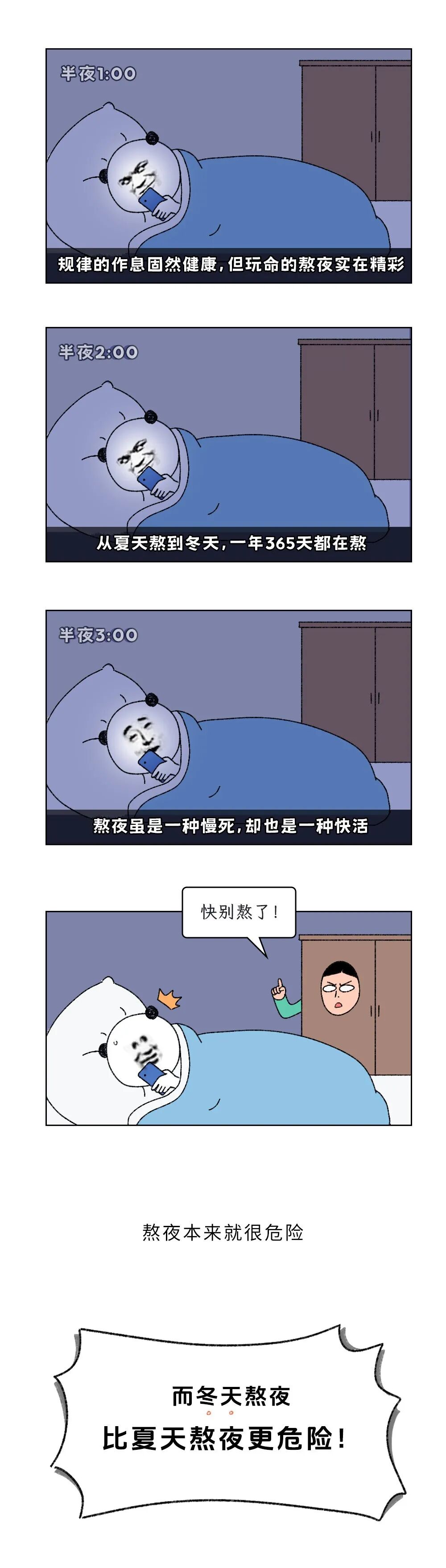
为什么说冬天熬夜比夏天熬夜更危险???
Xin Lang Cai Jing· 2026-01-08 13:48
Core Viewpoint - Staying up late is particularly dangerous in winter due to reduced sunlight exposure, which affects melatonin secretion and overall health. Group 1: Impact on Sleep Quality - Winter nights lead to increased difficulty in falling asleep and maintaining sleep quality due to delayed melatonin secretion [14][19]. - Research indicates that 17.6% of women and 9.0% of men report insomnia in winter, significantly higher than other seasons [21]. - A study involving 13,296 French employees found that insufficient natural light correlates with a 28.8% insomnia rate [21]. Group 2: Emotional and Mental Health Effects - Lack of sunlight in winter can lead to lower levels of Vitamin D, which is essential for serotonin and dopamine production, potentially resulting in depression [32][33]. - Seasonal Affective Disorder (SAD) is characterized by winter depression, with symptoms worsening in low-light conditions [36][37]. - Research shows that shorter sleep duration increases the risk of depression, with a notable correlation between sleep time and depression risk scores [40][41]. Group 3: Physical Health Risks - Sleep deprivation increases susceptibility to cold, as studies show that lack of sleep impairs the body's ability to regulate temperature [50][52]. - Winter is a high-risk season for heart-related issues, with studies indicating a higher incidence of myocardial infarction at temperatures below 0°C [63][64]. - A long-term study found that individuals who sleep after midnight have a 62.8% higher risk of heart attack compared to those who sleep earlier [68][69].
冷空气频繁 警惕“情绪感冒”来袭
Xin Lang Cai Jing· 2026-01-02 17:27
Group 1 - The article discusses Seasonal Affective Disorder (SAD), which is characterized by mood changes related to seasonal changes, particularly in winter [1] - SAD is described as a "seasonal emotional cold," differing from depression in that it has a seasonal pattern and milder symptoms [1] - Key symptoms of SAD include low mood, increased sleepiness, and cravings for sweet foods, with severe self-harm thoughts being rare [1] Group 2 - The increase in SAD during winter is attributed to reduced sunlight exposure, leading to decreased serotonin and increased melatonin levels, which affects mood [1] - Reduced outdoor activities and social interactions during colder months further exacerbate feelings of low mood [1] - Recommendations for improving mood include getting sunlight exposure, exercising, consuming specific nutritious foods, and actively managing emotions [1]
秋老虎反扑 你的情绪要稳住
Bei Jing Qing Nian Bao· 2025-08-18 02:59
Group 1 - The article discusses the impact of seasonal changes on human emotions, particularly focusing on the phenomenon of seasonal affective disorder (SAD) which can lead to symptoms similar to depression [1][2] - It highlights that high temperatures and humidity can hinder sweat evaporation, increasing perceived temperature by 3°C to 5°C, which places additional stress on the body's autonomic nervous system [1] - The article emphasizes the importance of recognizing seasonal affective disorder, especially for individuals who experience emotional disturbances during specific seasons, particularly autumn and winter [1][2] Group 2 - Symptoms of seasonal affective disorder include low mood, lack of pleasure, feelings of helplessness, decreased energy, and increased irritability, with a notable disruption in sleep-wake patterns [2] - The article notes that seasonal depression is not a milder form of depression; it has a higher tendency to recur, and severe symptoms warrant professional help for assessment and treatment [2] - Suggested treatments for seasonal affective disorder include light therapy, antidepressant medications, cognitive behavioral therapy, and lifestyle changes such as outdoor activities and regular exercise [3]