宇称不守恒理论

Search documents
103岁杨振宁逝世:要做好物理,是要有品位和风格的
第一财经· 2025-10-18 13:26
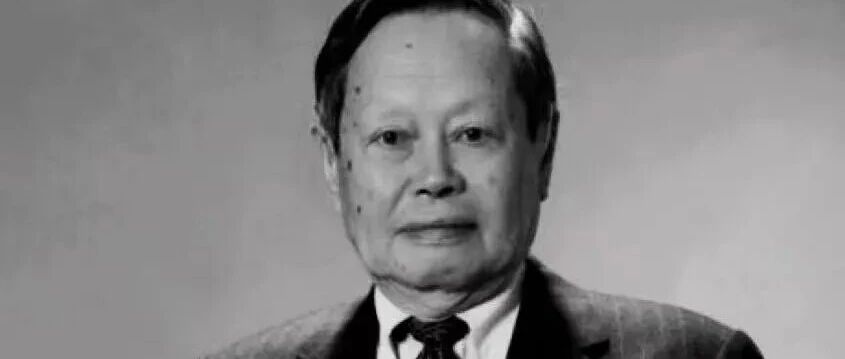
Core Viewpoint - The article commemorates the life and contributions of Yang Zhenning, a renowned physicist and Nobel laureate, highlighting his impact on science and education in China, as well as his personal philosophy and dedication to his homeland [3][4][12]. Group 1: Life and Achievements - Yang Zhenning was born on October 1, 1922, in Hefei, Anhui, and showed exceptional mathematical talent from a young age, influenced by his father's academic background [5][6]. - He studied at National Southwestern Associated University during a tumultuous period, where he developed a deep appreciation for the works of prominent physicists like Einstein and Fermi [7]. - Yang Zhenning achieved significant academic milestones in the United States, including the development of the Yang-Mills theory in 1954 and the discovery of parity violation in 1956, which established him as a leading physicist [7][9]. Group 2: Contributions to China - After winning the Nobel Prize, Yang Zhenning returned to China in 1971, becoming a key figure in fostering academic exchanges and rebuilding the scientific community [10][11]. - He played a crucial role in establishing over 60 top physics laboratories in China, significantly enhancing the country's research capabilities and nurturing numerous scientific talents [12]. - Yang Zhenning's philanthropic efforts included founding the "Science Exploration Award" and supporting Chinese scholars to study abroad, demonstrating his commitment to advancing science in China [11][12]. Group 3: Personal Philosophy and Legacy - Yang Zhenning emphasized the importance of character and style in scientific work, believing that a scientist's personal qualities significantly influence their contributions [13][14]. - He maintained a rigorous work ethic well into his later years, dedicating time to teaching and research in fields like high-temperature superconductivity and quantum computing [14][16]. - His reflections on life and science reveal a deep appreciation for the mysteries of the universe and a humble acknowledgment of humanity's place within it [16].

103岁杨振宁逝世:要做好物理,是要有品位和风格的
Di Yi Cai Jing· 2025-10-18 11:13
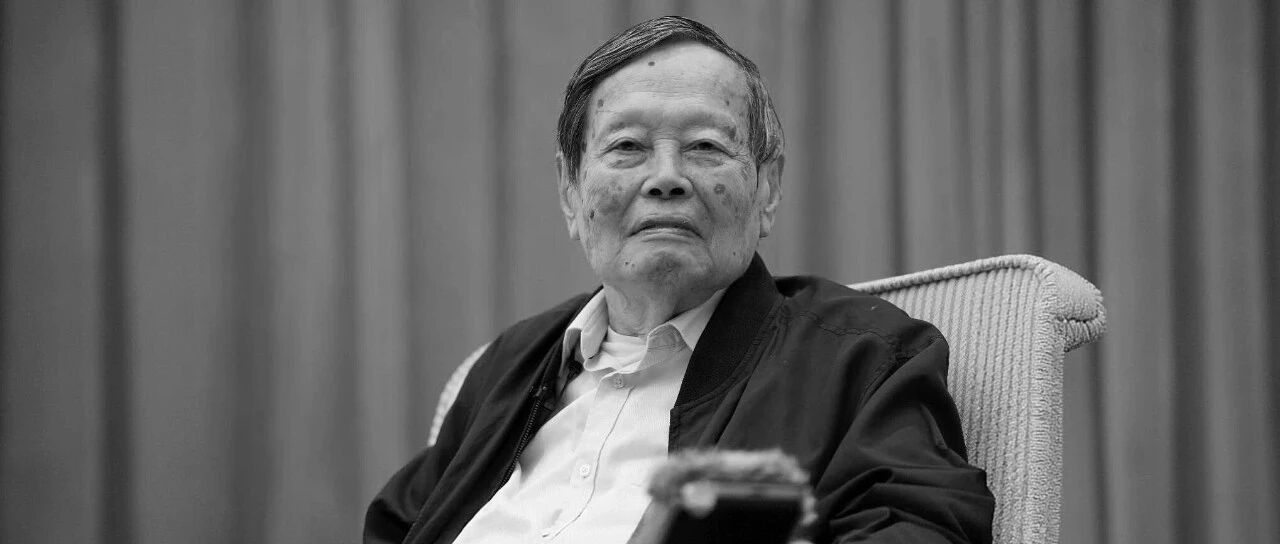
Core Insights - The article highlights the life and contributions of Yang Zhenning, a renowned physicist and Nobel laureate, who passed away at the age of 103, emphasizing his role in boosting the confidence of Chinese people in science and education [1][3][10] Group 1: Personal Background and Achievements - Yang Zhenning was born on October 1, 1922, in Hefei, Anhui, and showed exceptional mathematical talent from a young age, influenced by his father, a mathematics PhD from the University of Chicago [3][4][6] - He graduated with a master's degree from the University of Chicago in 1945 and spent 17 years at the Institute for Advanced Study in Princeton, where he produced significant academic work, including the Yang-Mills theory and the concept of parity violation [6][7][9] - Yang Zhenning returned to China in 1971 after the normalization of Sino-American relations, becoming the first Chinese scientist to visit post-revolution China, and played a crucial role in rebuilding the country's scientific community [7][9] Group 2: Contributions to Science and Education - He established numerous top-tier physics laboratories in China, significantly reducing the gap in physical infrastructure between China and the West, and contributed to the training of many scientific talents [9][10] - Yang Zhenning initiated the "Science Exploration Prize" to foster scientific talent in China and donated his Nobel Prize winnings to support Chinese students studying abroad [7][9] - He maintained a rigorous work ethic even in his later years, dedicating ten hours a day to research in fields like high-temperature superconductivity and quantum computing [10][12] Group 3: Personal Philosophy and Legacy - Yang Zhenning viewed physics as an art form, emphasizing the importance of style and character in scientific work, and believed that a person's taste, ability, and circumstances shape their contributions [10][12] - His marriage to Weng Fan provided him with personal support, allowing him to continue his academic pursuits while also co-authoring works that reflect his thoughts on science and humanity [12][13] - In his final public speech at the age of 100, he expressed a profound understanding of the universe and humanity's place within it, highlighting his lifelong quest for knowledge [13]
杨振宁逝世:“我知道已经有人为我写好讣告”
Hu Xiu· 2025-10-18 06:17
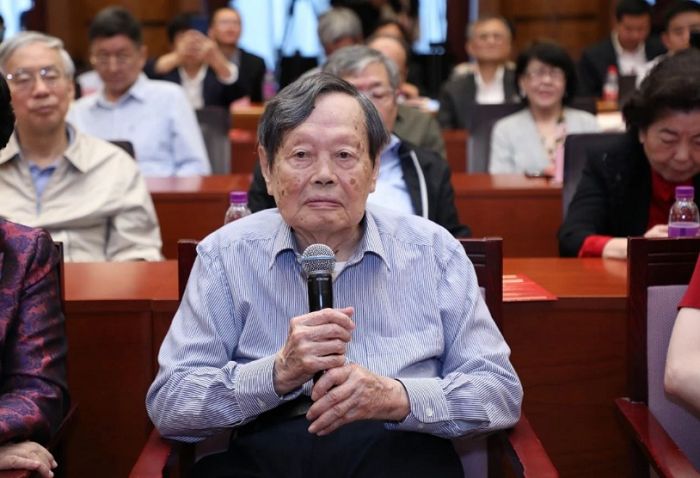
Group 1 - Yang Zhenning is a well-known figure across the Taiwan Strait, with both the Kuomintang and the Communist Party eager to be associated with him as the first Chinese Nobel laureate [1] - Yang Zhenning's recent biography, "The Beauty of Norms and Symmetry - The Biography of Yang Zhenning," includes a chapter on his relationship with his wife, Weng Fan, highlighting their 54-year age difference [2] - The deterioration of Yang Zhenning's friendship with Li Zhengdao began after they jointly won the Nobel Prize in Physics in 1957, with disputes over the attribution of their work [3][4] Group 2 - The official narrative surrounding the "Yang-Li combination" is sensitive, with both the mainland and Taiwan avoiding the topic, hoping for reconciliation [5] - In 1980, the Chinese government attempted to facilitate a reconciliation meeting between Yang and Li, which was portrayed as a joint initiative, but Yang viewed it as a superficial gesture [6] - Yang Zhenning's biography was initially published in Taiwan but faced censorship in mainland China due to its content regarding his disputes with Li Zhengdao [7] Group 3 - Yang Zhenning has had significant interactions with Chinese political leaders since moving to Beijing in 2003, often discussing scientific advancements [9][10] - His family background includes connections to both the Kuomintang and the Communist Party, which has influenced his relationships with political figures [11][12] - Yang Zhenning's return to China was marked by high-profile receptions, including meetings with Zhou Enlai and Mao Zedong, reflecting his esteemed status [13][14] Group 4 - Yang Zhenning has faced criticism for his close ties to the Communist Party, with some accusing him of pandering to the government [15] - He has defended his views on education, asserting that both Chinese and American systems have their strengths [16] - Yang Zhenning's return to China was facilitated by promises from Tsinghua University, where he has made significant contributions to research and education [16][17] Group 5 - Yang Zhenning's personal life includes a romantic relationship with Weng Fan, which began after the death of his first wife, Du Zhili [17][18] - Their marriage has been characterized by mutual support and affection, with Yang expressing gratitude for Weng's care [20][21] - Yang Zhenning has discussed the challenges of having children at their age, indicating a preference against it [22] Group 6 - Yang Zhenning believes that winning the Nobel Prize has had a mixed impact on his life, influencing his worldview but not his research direction [23][24] - He has commented on the state of Chinese scientific research, noting significant progress but also highlighting areas needing improvement [25][26] - Yang Zhenning has advocated for a more strategic approach to funding scientific research in China, particularly in high-energy physics [29][30]
科学家中的科学家,杨振宁影响了什么
经济观察报· 2025-10-18 05:06
Core Viewpoint - The article highlights the significant impact of Yang Zhenning's achievements, particularly his Nobel Prize in Physics in 1957, on Chinese science and society, inspiring generations of scientists and enhancing national confidence in scientific capabilities [17][18]. Group 1: Yang Zhenning's Life and Achievements - Yang Zhenning, a renowned physicist and Nobel laureate, passed away on October 18, 2025, at the age of 103 [4]. - The documentary "Yang Zhenning: A Century of Scientific Journey" premiered in January 2024, showcasing rare historical materials and contributions from top Chinese scientists [5][6]. - Yang Zhenning was born in 1922 in Hefei, Anhui, and received his education at Southwest Associated University and later studied under prominent physicists in the United States [6][10]. - He and Li Zhengdao were awarded the Nobel Prize in Physics in 1957 for their work on parity violation, making them the youngest Nobel laureates at that time [12][17]. Group 2: Influence on Chinese Science - Yang Zhenning's achievements have been described as a turning point for Chinese scientists, instilling a sense of pride and capability in scientific research [17][18]. - His contributions helped change the perception of Chinese scientists on the global stage, encouraging future generations to pursue scientific excellence [18]. - Yang Zhenning emphasized the importance of basic research in China, influencing government policies and funding in the field [21]. Group 3: Personal Reflections and Legacy - Yang Zhenning's personal experiences, including his return to China after years abroad, reflect his deep connection to his homeland and commitment to advancing Chinese science [20][22]. - He was known for his mentorship and support of younger scientists, fostering a collaborative spirit within the scientific community [18][22]. - Yang Zhenning's legacy includes not only his scientific contributions but also his role in inspiring confidence among Chinese scientists and promoting international collaboration [18][22].