
家

Search documents
2026 AWE观察|没有企业能赶上追觅的扩张速度
经济观察报· 2026-03-15 09:41
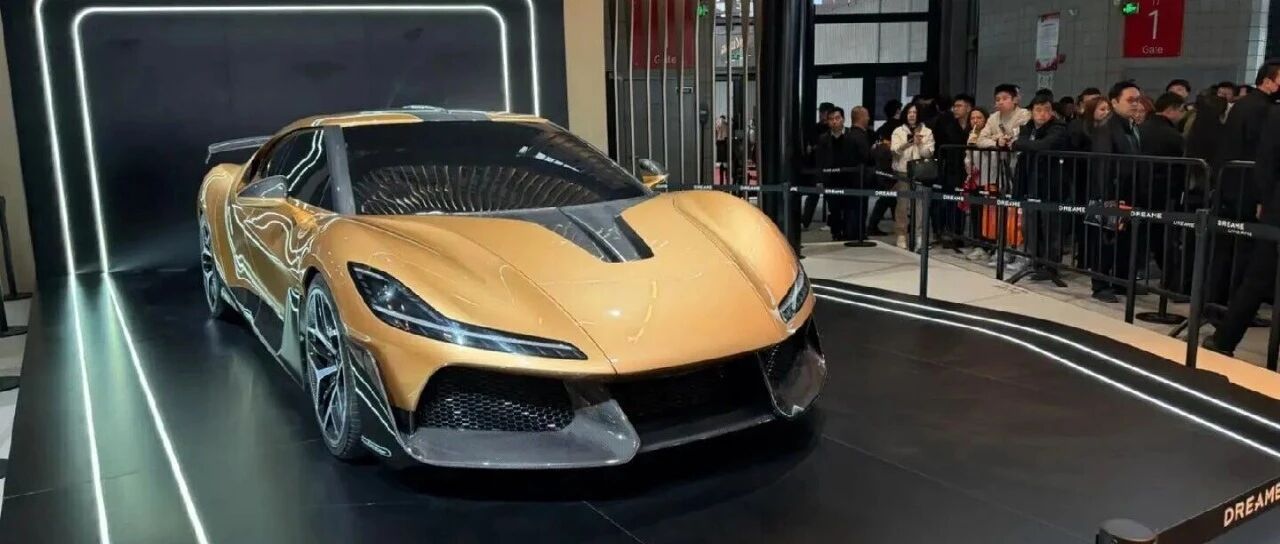
Core Viewpoint - The article highlights the significant presence and impact of the company追觅 at the 2026 AWE, showcasing its ambition to expand beyond its traditional product offerings and establish itself as a major player in various high-tech sectors [2][3]. Group 1: Exhibition Presence - 追觅 occupies approximately 1/17 of the total exhibition area at AWE 2026, with over 1,200 other exhibitors sharing the remaining space [2]. - The company has set a new record for exhibition scale, surpassing traditional home appliance giants like Haier, which previously dominated the event [2][3]. Group 2: Strategic Goals - 追觅 aims to communicate its broader strategic vision, which includes a diverse range of products beyond vacuum cleaners, such as smartphones, electric vehicles, and advanced robotics [3][4]. - The founder, 俞浩, expresses high expectations for the event, viewing it as a new beginning for the company [2]. Group 3: Product Showcase - The company introduced its AURORA smartphone, with prices ranging from approximately $999 for the base model to $70,000-$80,000 for luxury versions [4]. - 追觅 also displayed a groundbreaking 3D printer with 12 nozzles, surpassing competitors' offerings [5]. Group 4: Technological Advancements - The company unveiled three self-developed chips for intelligent driving, utilizing a 2nm process, which significantly outperforms the average capabilities of mainstream competitors [7]. - The chips' AI computing power reaches 2000 TOPS, three times that of leading competitors [7]. Group 5: Marketing and Engagement - 追觅's exhibition strategy included high-profile celebrity endorsements and a significant budget for booth construction, with costs reaching 70 million yuan for the E7 pavilion alone [3]. - The event attracted large crowds, indicating strong consumer interest and engagement with the brand [3].

东西问丨薛仁明:面朝“家”的方向,才能“春暖花开”
Zhong Guo Xin Wen Wang· 2026-01-11 01:58
Core Viewpoint - The concept of "home" in Chinese culture is multifaceted, encompassing not only physical shelter but also education, rituals, beliefs, and heritage, which collectively foster a sense of identity and responsibility towards family and nation [3][4]. Group 1: Importance of "Home" in Chinese Culture - "Home" serves as a space that integrates both secular and sacred elements, supporting generations in their quest for identity and continuity [3]. - The significance of "home" is particularly pronounced in today's globalized and fragmented world, where individuals seek connections to their roots through ancestral visits and family traditions [4]. Group 2: Personal Connection to Ancestry - The interviewee, a Taiwanese scholar, shares a personal narrative of returning to his ancestral home in Fujian, highlighting the emotional ties and sense of belonging that such connections foster [6]. - The experience of a second-generation Taiwanese student illustrates the profound impact of reconnecting with family heritage, leading to a deeper understanding of identity and belonging [7]. Group 3: Role of Rituals and Cultural Practices - The concept of "Li" (ritual) and "Yue" (music) in Chinese civilization is foundational to the family structure, promoting order and emotional connections within the family unit [9]. - The integration of "Li" and "Yue" fosters a sense of community and shared responsibility, reinforcing the bond between individual and nation [10]. Group 4: Cultural Identity and National Unity - The notion of "home" is intertwined with national identity, where the emotional connection to family enhances the collective consciousness of the nation, leading to a unique sense of "home and country" [10]. - The interviewee suggests that the revitalization of traditional cultural values can strengthen ties between Taiwan and the mainland, fostering a shared cultural identity among younger generations [12].

21对话|东亚中国行长毕明强:香港金融密度高,需向湾区要市场
2 1 Shi Ji Jing Ji Bao Dao· 2025-10-21 03:28
Core Insights - Hong Kong banks are seeking to expand their wealth management market in the Guangdong-Hong Kong-Macao Greater Bay Area, with East Asia Bank (China) opening its flagship branch in Shenzhen focused on wealth management [1][4] - The bank aims to shift its retail to wholesale business ratio from approximately 3:7 to 5:5, emphasizing the development of retail services, particularly wealth management for high-net-worth clients [1][7] - The Greater Bay Area is identified as a significant wealth management market with a population nearing 100 million, providing a substantial target client base for banks [5][9] Wealth Management Strategy - East Asia Bank's strategy aligns with other foreign banks in China, focusing on enhancing services for high-net-worth individuals and cross-border financial services [5][6] - The bank reported a 39% increase in affluent clients in the Greater Bay Area and a 54% increase in clients moving to Hong Kong, with a 90% growth in assets under management (AUM) for cross-border wealth management [5][6] - The bank's flagship branch features dedicated areas for wealth management, indicating a strong retail focus [6][7] Integration of Services - The distinction between corporate and personal services is becoming less clear, with a trend towards integrating financial needs across personal, family, and business levels [2][8] - East Asia Bank is developing a framework called "People, Family, Enterprise, Society" to address the wealth management needs of ultra-high-net-worth entrepreneurs [9] - The bank plans to enhance its transaction banking services and leverage AI for cross-border settlement and trade financing [9]


如何做好短视频生态下青少年的科学教育
Zhong Guo Qing Nian Bao· 2025-06-22 02:59
Group 1: Core Insights - The internet penetration rate among minors in China has reached 97.3%, with the number of young internet users rising to 196 million [1] - Over 70% of primary and middle school students show interest in science, with 95.7% having watched science popularization videos in the past year, making it the most frequent form of engagement [2] - The quality of science education is crucial, with a significant portion of students feeling that there are not enough science teachers or classes available [3] Group 2: Educational Resources and Platforms - Short videos are identified as a powerful tool for science education, providing rich, concise, and interactive content that breaks down barriers to knowledge dissemination [2][3] - There is a need for a collaborative mechanism involving families, schools, and society to enhance science education, with various institutions like museums and research centers playing supportive roles [4] - The demand for high-quality science content is evident, with 95.7% of students wanting more quality science resources, indicating a gap that needs to be filled [5][6]
大手牵小手,军娃更像“兵”
Ren Min Wang· 2025-05-30 01:20
Group 1 - The military-themed activities at the Hunan Provincial Military District kindergarten engage children in various roles, fostering enthusiasm and teamwork among the kids [1] - The kindergarten has established a collaborative model involving families, schools, and military units, creating a unique educational approach that integrates military culture into daily learning [1] - Daily physical training, including military posture and exercises, is a mandatory part of the children's routine, enhancing their physical fitness and discipline [1] Group 2 - The kindergarten incorporates red classic stories into its curriculum, allowing children to learn about national heroes and instilling a sense of patriotism [2] - The integration of military culture into educational activities has become a distinctive feature of the kindergarten, attracting attention from other educational institutions seeking to learn from this model [2] - The hands-on activities, such as role-playing and themed teaching, help children understand the spirit of heroism and national pride through experiential learning [2]