《富足一代:年轻人与他们的父辈》

Search documents
年度阅读|关于现代性、乌托邦、“媚俗”、九十年代与当下
Xin Lang Cai Jing· 2026-02-23 03:50
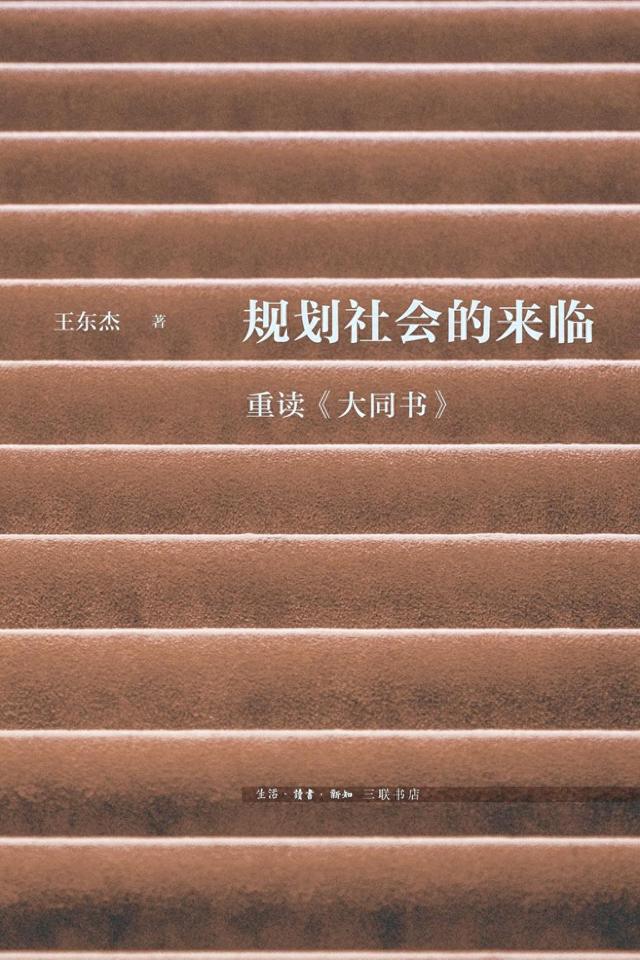
Group 1 - The article discusses the themes of modernity, utopia, and the relationship between the 1990s and the present through the lens of various literary works [2][6][18] - Wang Dongjie’s book "The Arrival of the Planned Society: Re-reading 'The Book of Great Unity'" explores the historical context of modernity in China and critiques the optimistic views of utopia presented by Kang Youwei [2][4] - Milan Kundera's works, particularly "Life is Elsewhere" and "The Unbearable Lightness of Being," are referenced to illustrate the concept of kitsch and its implications for utopian ideals [6][8][9] Group 2 - Liu Jiakun, a prominent architect, won the Pritzker Prize in 2025 and is known for his innovative architectural designs that reflect local characteristics [11][12] - His novel "The Moonlight Concept" critiques the radical modernist practices and collective utopian ideals of the past, showcasing the tension between idealism and reality [12][13][17] - The narrative in "The Moonlight Concept" reflects on the ruins of utopian projects and the potential for re-utilization, emphasizing the relationship between architecture and memory [13][14][16] Group 3 - Peter Hessler, known as He Wei in Chinese, provides a unique perspective on the changes in China through his non-fiction works, capturing the essence of the 1990s and its impact on contemporary society [18][20] - His writings highlight the contrast between the past and present, focusing on the lives of ordinary people and their struggles for better futures amidst rapid changes [21][22] - The discussion of the Three Gorges Project in relation to the city of Fuling illustrates the broader themes of destruction and rebirth in urban environments [23][24]

“富足一代”年轻人,与父辈的冲突从何而来?
Di Yi Cai Jing· 2026-02-13 03:20
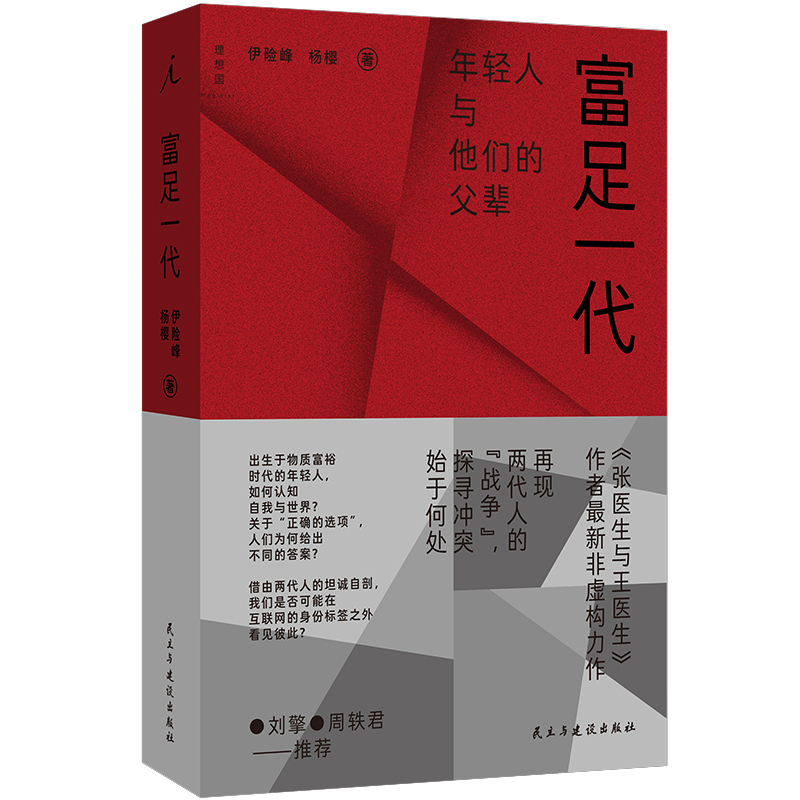
Group 1 - The core idea of the article revolves around the generational differences between the "wealthy generation" (born between 1995-2005) and their parents, highlighting how their upbringing in a more affluent environment has shaped their perspectives and values [1][2][4] - The authors, Yi Xianfeng and Yang Ying, conducted interviews to explore the thoughts and experiences of young people, aiming to understand the formation of their differing viewpoints compared to their parents [2][3] - The book "The Wealthy Generation: Young People and Their Parents" is the first non-fiction work in China to present the conflicts in identity politics, concepts, and thoughts between two generations [1][2] Group 2 - The "wealthy generation" is characterized by a diverse background, with interviewees coming from various family situations, yet sharing a common experience of growing up in a digitally connected environment [4][8] - The authors observed that young people are often misunderstood due to preconceived notions, and their experiences reveal a complex interplay of confidence, confusion, and contradictions in their beliefs [5][7] - The book also discusses how young individuals from affluent families may not necessarily rebel against their parents, as they often accept the advantages provided by their family's wealth [9][10]
第一财经年度人文图书|寻找“我们”共同的故事
Di Yi Cai Jing· 2026-01-09 03:09
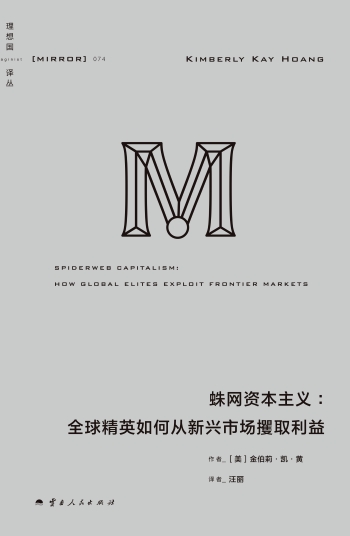
Group 1 - The core idea of the articles revolves around the voices of marginalized groups, particularly vocational school students and female delivery riders, highlighting their struggles and resilience in society [1][22][39] - The book "I Am a Vocational Student" by Lu Qianyi captures the narratives of vocational school students, emphasizing their often overlooked experiences and the impact of their backgrounds on their life choices [1][39] - "Running Takeout: A Female Rider's World" by Wang Wan explores the challenges faced by female delivery riders, detailing their physical and emotional struggles in a male-dominated industry [22][23] Group 2 - The concept of "Spider Web Capitalism" introduced by Kimberly Kay Huang illustrates the informal networks that allow wealthy individuals to exploit emerging markets, raising concerns about global inequality [9][10] - "The Reconstruction of Civilization" by Conrad H. J. Yalow discusses Germany's post-war societal transformation, focusing on how the country reconciled with its past and built a more inclusive public society [12][14] - Neil MacGregor's "Gods: 40,000 Years of People, Objects, and Beliefs" examines the role of faith in shaping human identity and community, addressing both major global religions and localized belief systems [16][18]
“年轻人如今已经没什么可失去的了”
虎嗅APP· 2025-12-13 13:23
Core Viewpoint - The article discusses the generational divide between the "wealthy generation" (born between 1995 and 2005) and their parents, highlighting the contrasting perceptions of opportunity and responsibility in a rapidly changing socio-economic landscape [4][5]. Group 1: Generational Conflict - The younger generation feels a sense of deprivation despite being labeled as the "wealthy generation," as they face increased competition and reduced social mobility [4][5]. - There is a significant misunderstanding between generations, with parents questioning the younger generation's reluctance to take on societal responsibilities, while the youth express feelings of being trapped and lacking opportunities [4][5][11]. Group 2: Societal Context - The article emphasizes that the current socio-economic environment, shaped by decades of reform and development, has created a complex reality for the younger generation, who perceive themselves as having little to lose [10][14]. - The rise of mobile internet and consumerism has significantly influenced the lifestyle and values of the younger generation, leading to a unique set of challenges and expectations [11][12]. Group 3: Perspectives on Wealth and Opportunity - The concept of "wealth" is portrayed as relative, with many in the younger generation feeling that the opportunities available to their parents are no longer accessible to them [10][15]. - The article notes that the younger generation's understanding of justice and opportunity often clashes with that of their parents, leading to further generational tensions [17][18].