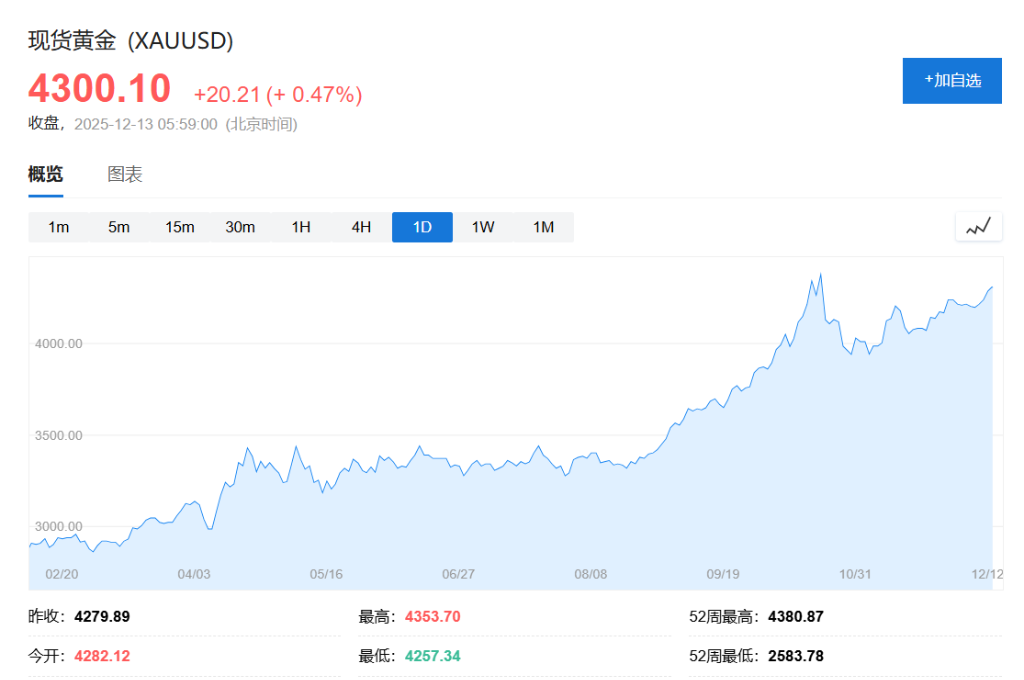
对冲地缘政治和金融风险

Search documents
10月净买入49吨,央行购金依然强劲
Hua Er Jie Jian Wen· 2025-12-14 14:28
Core Insights - Despite significant market volatility in October, global central banks continue to show strong demand for gold, providing solid support for gold prices, while emerging "tokenized gold" has not yet become a major market driver [1][4] Group 1: Central Bank Gold Purchases - In October, global central banks net purchased 49 tons of gold, significantly higher than the pre-2022 monthly average of 17 tons, indicating robust and sustained demand from official sectors [1][4] - Qatar purchased 20 tons and China bought 15 tons in October, reflecting strategic decisions by central banks that are less sensitive to short-term price fluctuations, aimed at hedging geopolitical and financial risks [1][4] - Goldman Sachs maintains an optimistic forecast for gold prices, projecting they will rise to $4,900 per ounce by the end of 2026, supported by strong official demand and expectations of a shift in U.S. Federal Reserve policy towards easing [1][6] Group 2: Private Investor Demand - Private investors are viewed as a key variable that could significantly influence future gold prices, with potential for a "magnifying effect" if their interest in gold increases [5] - Goldman Sachs' model indicates that a 1 basis point (0.01%) increase in the share of gold in U.S. private financial portfolios could lead to a 1.4% rise in gold prices, highlighting the current low allocation of gold in these portfolios [5] - Currently, gold ETFs, the most common vehicle for U.S. investors, account for only 0.17% of their portfolios, suggesting substantial room for growth in private investment in gold [5] Group 3: Tokenized Gold - Goldman Sachs notes that the impact of "tokenized gold," such as Tether Gold, on recent gold price movements appears limited, with its demand significantly smaller compared to traditional channels [7] - In Q3 2025, Tether Gold holdings increased by approximately 26 tons, while Western gold ETFs saw inflows of about 197 tons, and central bank purchases reached around 134 tons, indicating a disparity in demand [7] - Tokenized gold is considered similar to gold ETFs, both backed by physical gold, but with ownership recorded on the blockchain; this feature may lower entry barriers for some investors but does not necessarily enhance intrinsic value [7]

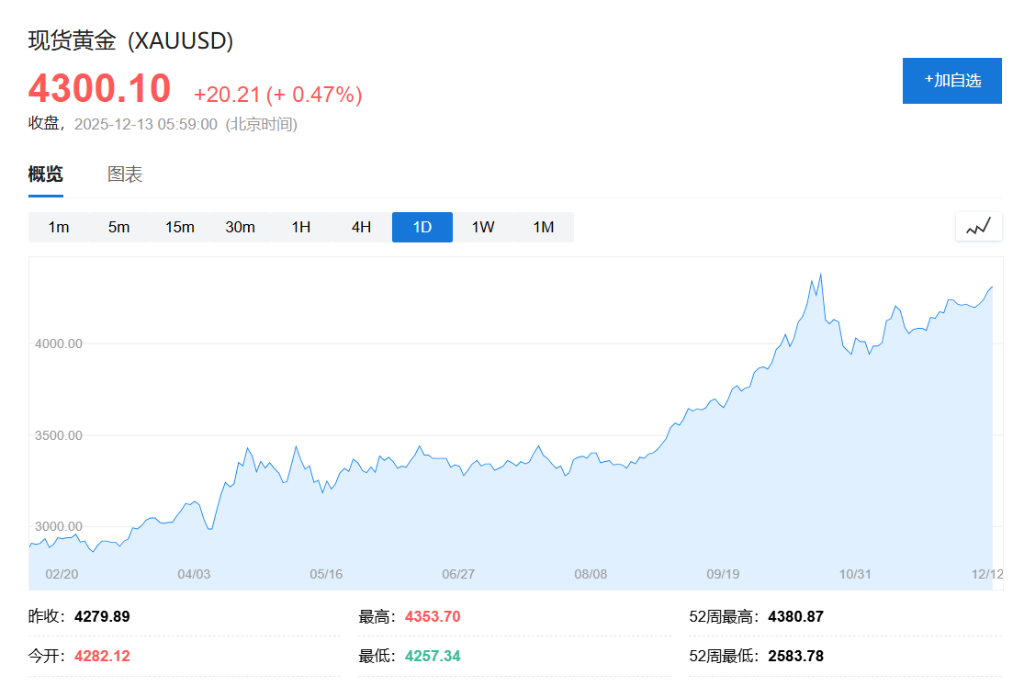
10月净买入49吨!央行购金依然强劲,高盛:“代币化黄金”目前还非金价主力
美股IPO· 2025-12-14 11:57
Core Viewpoint - Global central banks continue to show strong demand for gold, with net purchases of 49 tons in October, significantly above the pre-2022 monthly average of 17 tons, indicating a long-term strategy to hedge against geopolitical and financial risks [1][3][5] Central Bank Gold Purchases - Goldman Sachs emphasizes that the substantial increase in gold purchases by central banks is a long-term trend, driven by the need for reserve asset diversification to mitigate rising geopolitical and financial risks [5][6] - The report indicates that the average monthly purchase by central banks is expected to remain at 70 tons through 2026, providing solid fundamental support for the gold market [6] Private Investor Impact - Private investors are viewed as a key variable that could amplify gold prices, with a potential significant effect if their interest in gold increases [7] - Goldman Sachs' model suggests that a 1 basis point (0.01%) increase in gold holdings within U.S. private financial portfolios could lead to a price increase of approximately 1.4% [7] - Currently, gold ETFs represent only 0.17% of U.S. investors' portfolios, indicating substantial room for growth in private investment in gold [7][8] Tokenized Gold - The impact of "tokenized gold," such as Tether Gold, on the recent rise in gold prices is considered limited, with its demand significantly smaller compared to traditional channels like gold ETFs and central bank purchases [9] - Tokenized gold is viewed as a potential substitute for gold ETFs rather than a major new source of demand, although it remains a trend worth monitoring [9]

10月净买入49吨!央行购金依然强劲 高盛:“代币化黄金”目前还非金价主力
智通财经网· 2025-12-14 11:07
Core Insights - Despite significant market volatility in October, global central banks continue to show strong demand for gold, providing solid support for gold prices, while emerging "tokenized gold" has not yet become a major market driver [1] Group 1: Central Bank Gold Purchases - Goldman Sachs' latest report indicates that global central banks net bought 49 tons of gold in October, significantly higher than the pre-2022 monthly average of 17 tons, reflecting robust and sustained demand from official sectors [1][2] - Notably, Qatar purchased 20 tons and China bought 15 tons in October, suggesting that central banks' purchasing behavior is driven by long-term strategic considerations to hedge geopolitical and financial risks rather than short-term price sensitivity [1][3] - Goldman Sachs maintains an optimistic forecast for gold prices, projecting they will rise to $4,900 per ounce by the end of 2026, supported by strong official demand and expectations of a shift to looser monetary policy by the Federal Reserve [1][5] Group 2: Private Investor Demand - The report highlights that the behavior of private investors will be a key variable influencing future gold prices, with potential significant "amplifying effects" if their interest in gold increases [4] - Goldman Sachs' model suggests that a 1 basis point (0.01%) increase in the share of gold in U.S. private financial portfolios could lead to a price increase of approximately 1.4%, indicating substantial growth potential as current holdings in gold ETFs are only 0.17% of these portfolios [4][5] Group 3: Tokenized Gold - Regarding the role of "tokenized gold" such as Tether Gold, Goldman Sachs notes that its impact on recent gold price increases appears limited, with a reported increase of about 26 tons in Tether Gold holdings compared to 197 tons in Western gold ETF inflows and 134 tons in central bank purchases during Q3 2025 [6] - The firm views tokenized gold as similar to gold ETFs, both backed by physical gold, but believes it is more likely to serve as a partial substitute for gold ETFs rather than a significant new source of demand, warranting ongoing market monitoring [6]
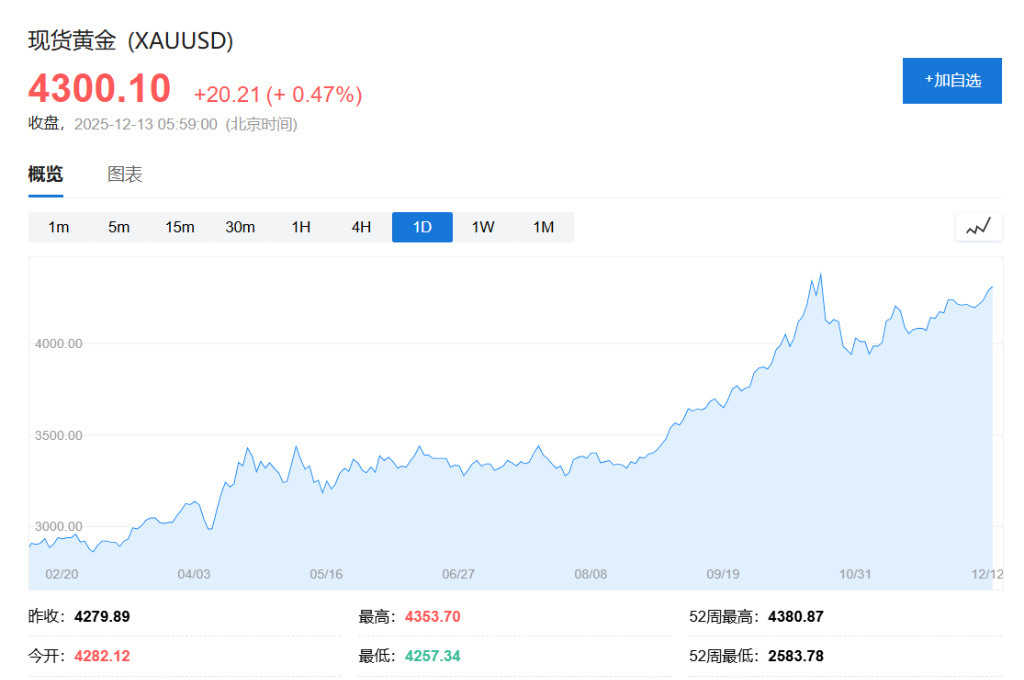
10月净买入49吨!央行购金依然强劲,高盛:“代币化黄金”目前还非金价主力
Hua Er Jie Jian Wen· 2025-12-14 09:44
Core Insights - Despite significant market volatility in October, global central banks continue to show strong demand for gold, providing solid support for gold prices, while emerging "tokenized gold" has not yet become a major market driver [1][4]. Central Bank Gold Purchases - Goldman Sachs reported that global central banks net purchased 49 tons of gold in October, significantly higher than the pre-2022 monthly average of 17 tons, indicating robust and sustained demand from official sectors [1][4]. - Notably, Qatar purchased 20 tons and China bought 15 tons in October, reflecting a strategic move by central banks to diversify reserve assets and hedge against geopolitical and financial risks [1][4]. Future Gold Price Predictions - Based on strong official demand and expectations of a shift towards looser monetary policy by the Federal Reserve, Goldman Sachs maintains an optimistic forecast for gold prices, predicting they will rise to $4,900 per ounce by the end of 2026 [1][5]. Private Investor Demand - Private investor behavior is seen as a key variable influencing future gold prices. An increase in the allocation of gold in U.S. private financial portfolios could significantly amplify gold prices [1][6]. - Currently, gold ETFs, the most common tool for U.S. investors, represent only 0.17% of their portfolios, indicating substantial room for growth as interest in gold is expected to rebound alongside potential Federal Reserve policy changes [1][6]. Tokenized Gold - Goldman Sachs notes that the impact of "tokenized gold," such as Tether Gold, on recent gold price increases appears limited. In Q3 2025, Tether Gold holdings increased by approximately 26 tons, while Western gold ETFs saw inflows of about 197 tons, and central bank purchases reached around 134 tons [1][7]. - Tokenized gold is fundamentally similar to gold ETFs, both backed by physical gold, but its ownership is recorded on a blockchain. While this may lower entry barriers for some investors, it does not necessarily add significant intrinsic value [1][8].