
居民消费需求

Search documents
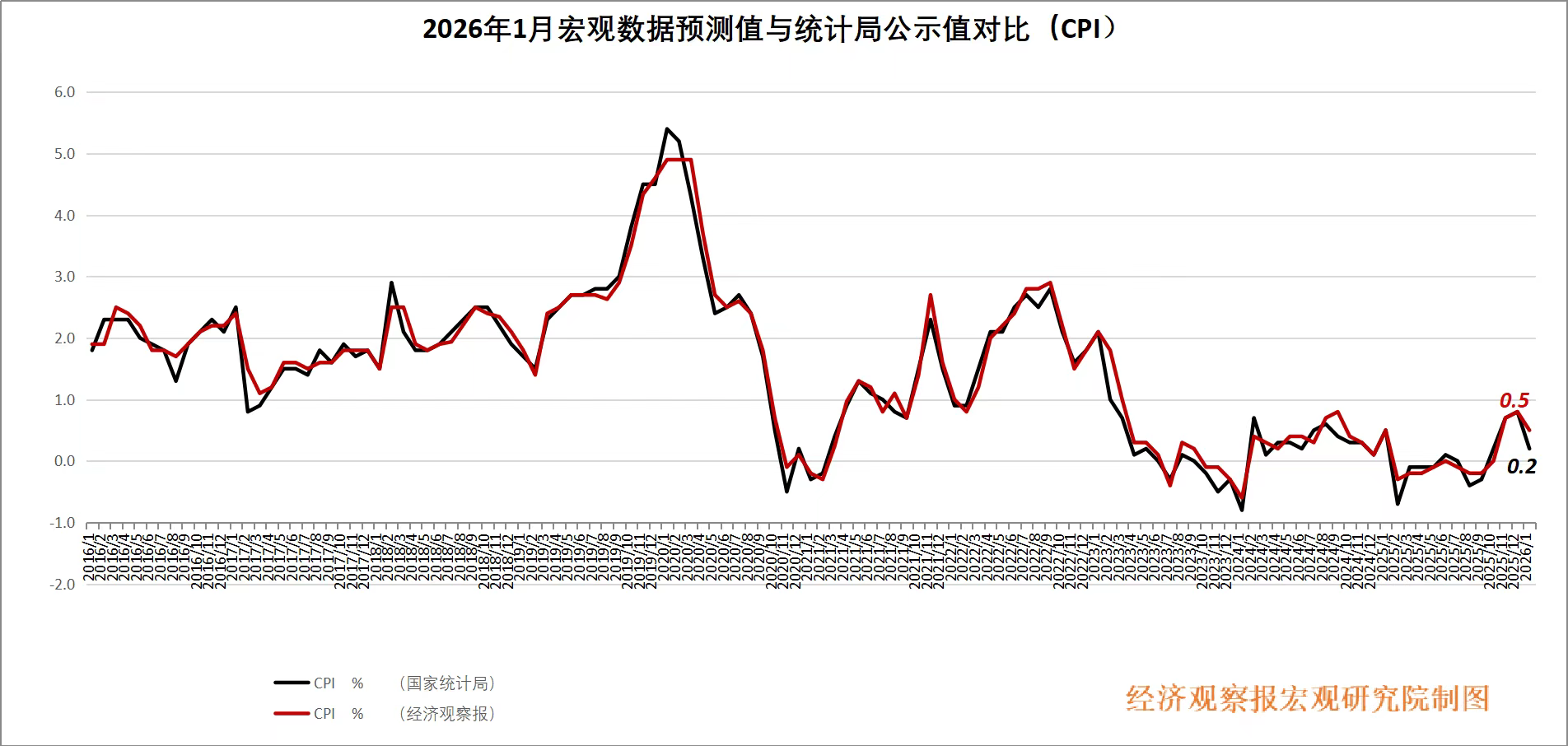
2026年1月CPI同比增速降至0.2%,核心CPI温和上涨
Xin Lang Cai Jing· 2026-02-20 05:14
据经济观察报-经济观察网 2026年1月,全国居民消费价格指数(CPI)同比增速由上月的0.8%下降至0.2%,核心CPI环比上涨0.3%,创近6个月新高。国联民 生首席经济学家陶川指出,核心CPI的结构性走强表明年初居民消费需求逐步改善,为后续通胀温和修复提供了重要支撑。一方面,促消费政策效果持续显 现,家用器具、日用杂品等价格上行,商品消费稳步修复;另一方面,节前出行、文娱服务需求释放,带动旅游、影视、家政服务价格升温,服务消费复苏 势头强劲。随着2月进入春节消费旺季,涨价迹象有望进一步凸显。 ...

5月通胀数据点评:PPI同比下行压力加大
Changjiang Securities· 2025-06-09 12:44
Inflation Data Summary - In May, the Consumer Price Index (CPI) decreased by 0.1% year-on-year and 0.2% month-on-month, marking the fourth consecutive month of negative year-on-year CPI[7] - The core CPI increased by 0.6% year-on-year, reflecting a 0.1 percentage point expansion in the growth rate[10] - Food prices fell by 0.4% year-on-year, while non-food prices remained stable at 0.0%[10] PPI Trends - The Producer Price Index (PPI) decreased by 3.3% year-on-year and 0.4% month-on-month, with the year-on-year decline expanding by 0.6 percentage points[7] - The decline in production material PPI was 4%, with mining, raw materials, and processing prices dropping by 11.9%, 5.4%, and 2.8% respectively[10] - The PPI for living materials saw a smaller decline of 1.4% year-on-year, narrowing by 0.2 percentage points[10] Key Influences - Major contributors to the CPI decline included a 12.9% drop in transportation fuel prices and a significant decrease in fresh vegetable prices, which fell by 8.3% year-on-year[10] - The PPI was primarily pressured by international input factors, weak domestic demand, and excess capacity in certain industries[10] - The outlook for PPI remains cautious, with potential further pressure expected due to weakening export effects[10] Policy Implications - The report emphasizes the need for policies to boost consumer demand, as the recovery in resident consumption is crucial for CPI stabilization[10] - Strengthening social security and increasing residents' income are highlighted as key measures to enhance consumption[10] - The report warns of risks including slower-than-expected consumption recovery, escalating geopolitical conflicts, and uncertainties surrounding tariff policies[31]